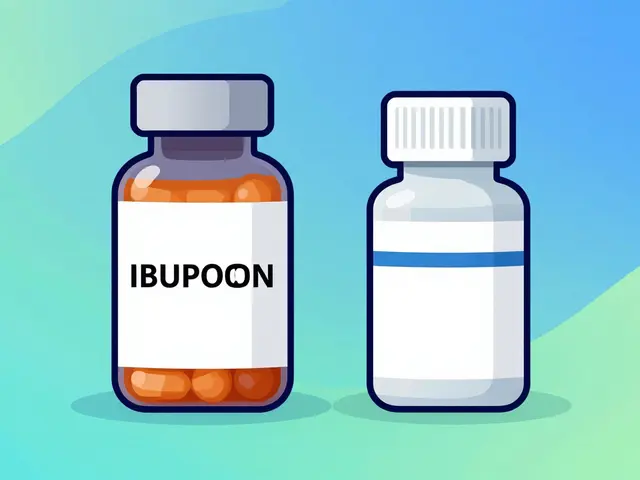
The goal here is simple: get the right amount of the right medicine into your baby's mouth every single time. To do that, you need to understand that infant medication safety depends on three things: the tool you use to measure, the concentration of the liquid, and your baby's current weight. Let's break down how to handle these without the stress.
Why Measurement Tools Matter
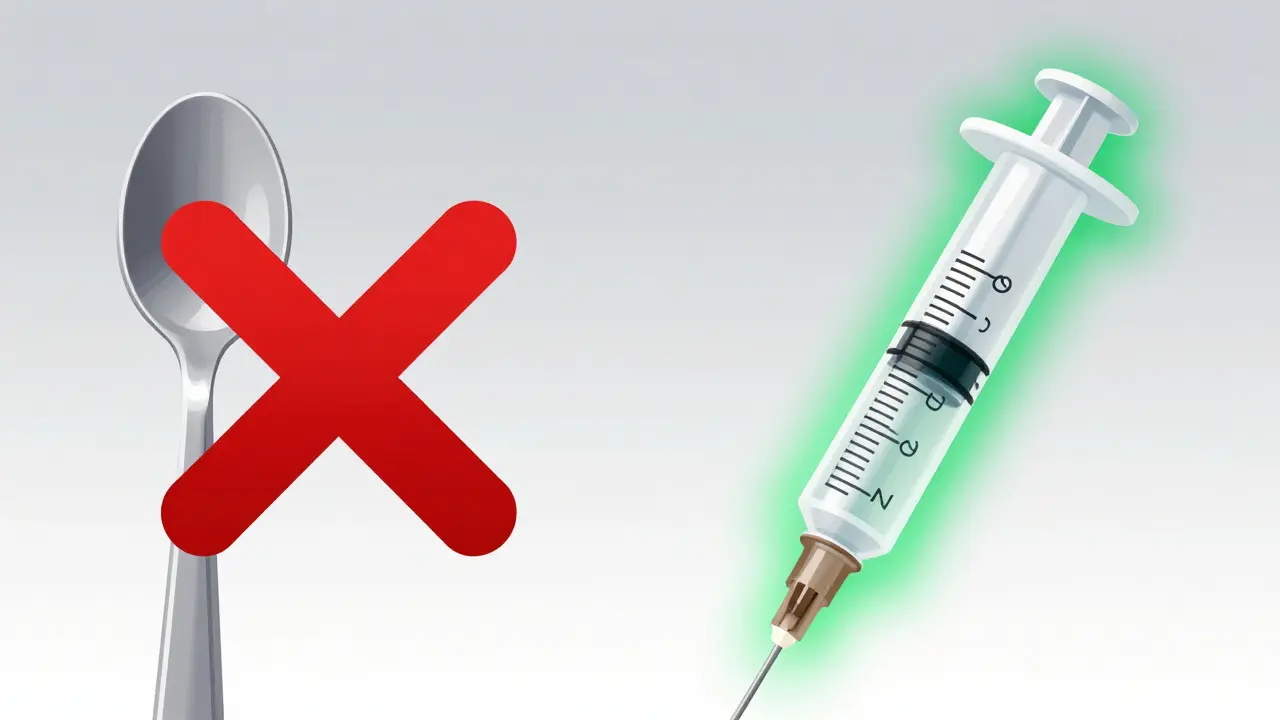
If you're still using a kitchen spoon to give your baby medicine, stop immediately. A standard kitchen spoon varies wildly in size, and research shows that over 43% of parents use them despite warnings. This leads to doses that can vary by more than 20%, which is dangerous for a tiny body.
The gold standard for accuracy is the Oral Syringe is a precise medical tool used to deliver liquid medication into the mouth, typically featuring metric graduations in milliliters (mL) . Using an oral syringe is nearly 90% accurate, compared to only about 62% accuracy with medicine cups. For babies under six months, look for syringes with 0.1 mL or 0.2 mL markings. These tiny increments reduce errors by 67% because you aren't guessing where the liquid falls between two lines.
Be wary of droppers. While they seem convenient, many parents find them confusing because drop sizes can be inconsistent. If your medication comes with a dropper, check if it has clear metric markings. If it doesn't, it's safer to transfer the liquid into a calibrated oral syringe.
| Device | Accuracy Rate | Risk Level | Best For |
|---|---|---|---|
| Oral Syringe | 89.3% | Low | Infants < 1 year (high precision) |
| Medicine Cup | 62.1% | Medium | Older children (larger volumes) |
| Dropper | Variable | Medium/High | Specific concentrated drops only |
| Kitchen Spoon | Very Low | High | Never use for medication |
Understanding Concentration and the "Infant vs. Children's" Trap
This is where the most dangerous mistakes happen. You might see two bottles of the same drug-one labeled "Infant" and one "Children's"-and assume they are the same stuff. They aren't always. The Concentration is the amount of active medication ingredient contained within a specific volume of liquid, usually expressed as mg per mL .
Take Acetaminophen (the active ingredient in Tylenol) as an example. In the past, infant drops were highly concentrated, which led to frequent overdoses. To fix this, the FDA mandated a standardized concentration of 160 mg/5 mL for infant products. This means that whether the bottle says "Infant" or "Children's," the concentration should be the same. However, you must still check the label every single time. If you use a product with a different concentration than what the doctor prescribed, you could either under-dose your baby (leaving them in pain) or over-dose them (causing liver toxicity).
Always check for the "mg per mL" ratio. If the bottle says 160 mg/5 mL, that means there are 32 mg of medicine in every 1 mL of liquid. If you see a different number, you need to recalculate the dose with your pediatrician.
Dosing by Weight, Not Age
Age is a rough guide, but weight is the law when it comes to baby meds. A 6-month-old can weigh significantly more or less than another 6-month-old, and their organs process medication differently based on their mass. For acetaminophen, the standard rule of thumb is 10-15 mg per kilogram of body weight every 4 to 6 hours.
If you don't know your baby's weight in kilograms, divide the weight in pounds by 2.2. Once you have the weight, the math is straightforward, but it's easy to slip up when you're tired and your baby is crying. This is why the CDC recommends a five-step verification process to ensure safety:
- Confirm Weight: Use a recent weight from a pediatrician's visit in kilograms.
- Calculate Dose: Use the mg/kg formula provided by your doctor.
- Verify Concentration: Read the bottle (e.g., 160 mg/5 mL) to ensure it matches the prescription.
- Use the Right Tool: Reach for an oral syringe with metric markings.
- Double Check: Have another adult look at the syringe and the label before administering.
Following this protocol can reduce dosing errors by over 80%. It sounds tedious, but it's much faster than a trip to the emergency room.
High-Risk Medications and Warning Signs
Some medicines are far more dangerous than others if the dose is wrong. While a slight mistake with a vitamin might not be a crisis, errors with certain drug classes can be fatal. Be extremely cautious with Opioids, heart medications, and iron supplements. Even one or two pills of these adult medications can cause respiratory depression or cardiac arrest in an infant.
Another red flag: multi-symptom "cold and cough" medicines. You'll see these on the shelves, but the FDA strongly advises against using them for children under 6, and absolutely not for infants under 2. These products often combine several active ingredients that can cause rapid heart rates or convulsions in babies. Most pediatricians will tell you that the best treatment for a baby's cold is saline drops and a humidifier, not a complex chemical cocktail.
Tips for Caregivers and Grandparents
If you have grandparents or babysitters helping out, have a specific conversation about medication. Studies show that caregivers over 65 are more likely to make dosing errors, often because they rely on outdated knowledge (like using "a teaspoon") or struggle to read the tiny print on a bottle.
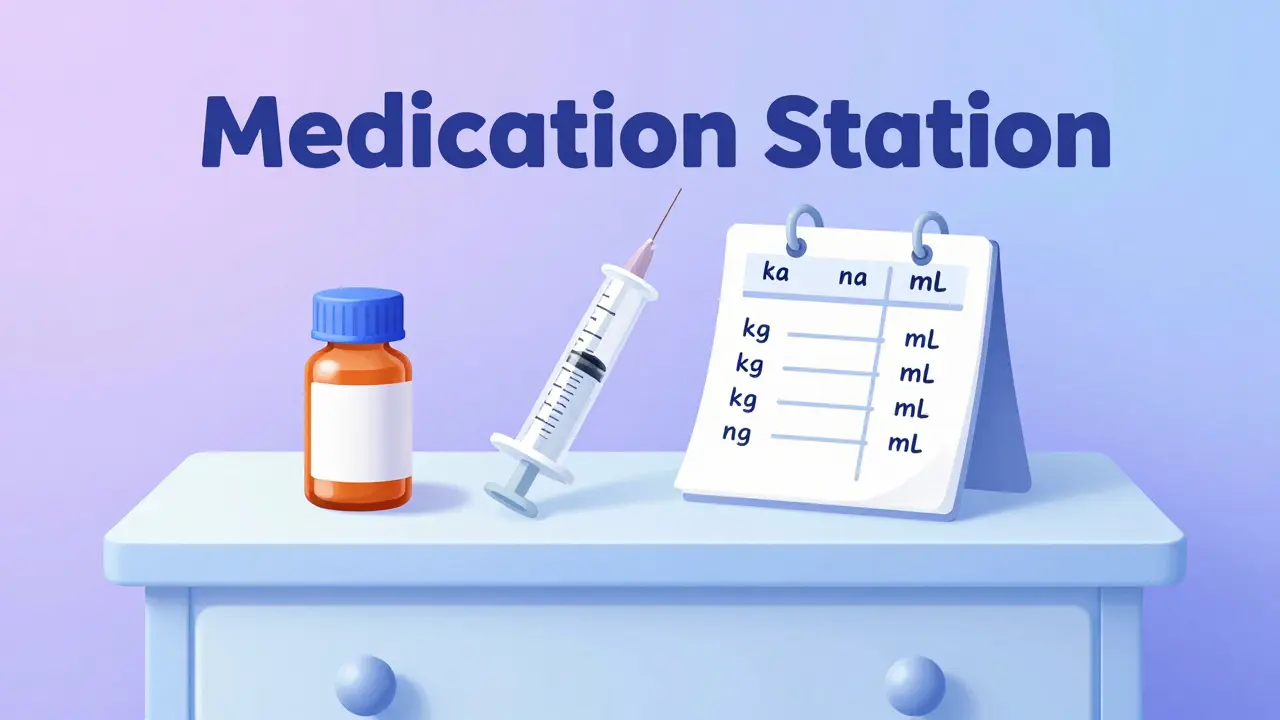
To make things safer, create a "Medication Station." Keep the oral syringe, the medicine, and a written chart of the baby's current weight and the exact mL dose in one spot. This removes the guesswork for anyone stepping in to help. If you're ever unsure, the National Poison Center's tools can provide real-time verification to ensure the dose is safe.
Can I use a kitchen spoon to measure baby medicine?
No. Kitchen spoons vary significantly in size and are not medical measuring devices. This can lead to dosing errors of 20% or more. Always use a calibrated oral syringe or the specific measuring device provided with the medication.
What is the difference between infant and children's acetaminophen?
In the U.S., the FDA has standardized the concentration of both infant and children's liquid acetaminophen to 160 mg/5 mL. This means the strength is the same, but the bottle size and dosing instructions are tailored to the child's age and weight. However, you must always check the label to confirm the concentration before dosing.
Why is dosing based on weight instead of age?
Weight is a more accurate measure of a child's metabolic capacity and body mass than age. Two infants of the same age can have different weights, and therefore require different amounts of medication to achieve the same therapeutic effect safely.
Are cough and cold medicines safe for infants?
No. The FDA warns against using over-the-counter cough and cold medicines for children under 6, and especially those under 2. These medications can cause serious side effects, including convulsions and rapid heart rate, and have not been proven effective in infants.
What should I do if I think I gave my baby too much medicine?
If you suspect an overdose, contact your pediatrician or the National Poison Control Center immediately. Do not wait for symptoms to appear, as some medication toxicities (like acetaminophen) may not show symptoms until organ damage has already occurred.
Next Steps for Parents
If you're feeling overwhelmed, start by auditing your medicine cabinet. Toss any old spoons or imprecise droppers. Purchase a few high-quality 1 mL and 3 mL oral syringes from your pharmacy. The next time you visit the pediatrician, ask them to watch you draw a dose into the syringe; this "teach-back" method is the fastest way to ensure you're doing it right. Finally, keep a digital note on your phone with your baby's most recent weight and the calculated doses for common medications like acetaminophen and ibuprofen for quick reference.