Adrenal Recovery Risk Screener
Medication History
Symptom Checklist
Imagine feeling a sudden, crushing wave of exhaustion that no amount of sleep can fix, paired with a stomach flu that won't go away. For someone who recently stopped taking steroids, this isn't just a bad week-it could be a life-threatening medical emergency. When you take synthetic hormones for a while, your body decides it doesn't need to make its own. If you stop those meds cold turkey, your system is left without the essential cortisol it needs to function, leading to adrenal insufficiency is a condition where the adrenal glands do not produce enough cortisol, often caused by the suppression of the hypothalamic-pituitary-adrenal axis due to exogenous steroid use.
This isn't just a risk for people on massive doses for years. Modern data shows that even short bursts of treatment-under four weeks-or low doses (like 5 mg of prednisone) can put your adrenal function at risk. The danger lies in the "silent" nature of the shutdown; you don't feel your adrenals atrophy until the external support is gone and your body crashes.
How Steroids Trick Your Brain and Glands
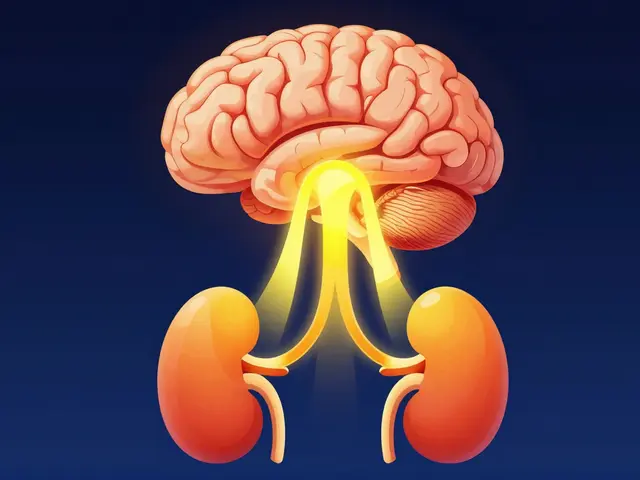
To understand why this happens, you have to look at the HPA axis (Hypothalamic-Pituitary-Adrenal axis). Normally, your brain's hypothalamus releases a signal, the pituitary gland responds with ACTH (adrenocorticotropic hormone), and your adrenal glands pump out cortisol. It's a tight feedback loop.
When you introduce synthetic glucocorticoids-like prednisone or dexamethasone-your brain thinks there is already plenty of cortisol in the system. It shuts down the production of ACTH. Over time, because the adrenal glands aren't being "told" to work by ACTH, they physically shrink. This is called adrenal cortical atrophy. When the medication stops, the brain tries to restart the engine, but the glands are too shrunken and sluggish to respond immediately.
Spotting the Red Flags: From Fatigue to Crisis
The symptoms of withdrawal usually appear 24 to 72 hours after the last dose, but they can be sneaky. Because they mimic other common illnesses, many people wait too long to seek help. Recognition is the only way to prevent a full-blown crisis.
Early warning signs often include:
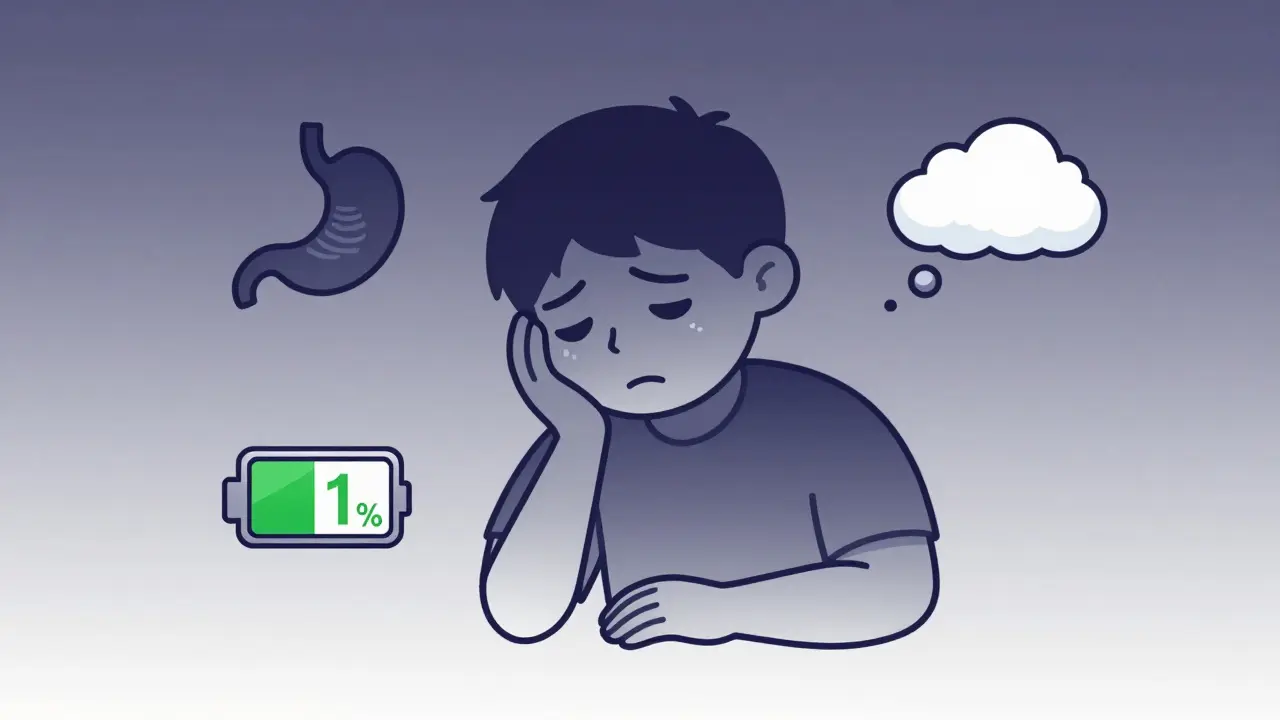
- Deep Exhaustion: Severe fatigue reported in about 85% of cases. It's not just "tired"; it's a total lack of energy.
- Digestive Distress: Nausea, vomiting, and a complete loss of appetite, often leading to rapid weight loss.
- Physical Weakness: A noticeable drop in muscle strength and a general feeling of being "wiped out."
- Mood Shifts: Sudden irritability or bouts of depression.
If these symptoms aren't caught, they evolve into an adrenal crisis. This is the danger zone. You'll see a sharp drop in blood pressure (hypotension), severe dehydration, and electrolyte imbalances. In the worst cases, this leads to confusion, coma, and shock. Without immediate medical intervention, the mortality rate for hospitalized patients in this state can hit 6%.
| Type | Source of Problem | Common Cause | Key Characteristic |
|---|---|---|---|
| Primary | Adrenal Glands | Autoimmune (Addison's) | High ACTH, Low Cortisol |
| Secondary | Pituitary Gland | Pituitary Tumors | Low ACTH, Low Cortisol |
| Tertiary | Hypothalamus | Steroid Withdrawal | Low CRH, Low ACTH, Low Cortisol |
The Art of the Taper: Getting Off Steroids Safely
The golden rule of steroid therapy is: never stop abruptly. The goal of a taper is to slowly wake up the HPA axis, giving the adrenal glands time to regrow and start producing cortisol again.
While every patient is different, the American College of Physicians suggests a general framework for reducing doses. For those on more than 20 mg of prednisone, the dose is typically lowered by 2.5 to 5 mg every few days. As you get closer to the 5-20 mg range, the reduction slows down to 1-2.5 mg every week or two. If you've been on the meds for more than six months, this process needs to be even slower.
It's a bit of a balancing act. If you taper too fast, you risk a crisis. If you taper too slow, you prolong the side effects of the steroids. Some experts argue for individualized schedules based on how your body reacts, while others prefer a strict 4-to-8 week window. Regardless of the method, the goal is to maintain a cortisol level that keeps you stable while the body recovers.
Diagnostic Hurdles and Common Mistakes
One of the biggest dangers is the "mimicry" effect. Many patients are misdiagnosed with viral infections, UTIs, or psychiatric disorders because the symptoms overlap so heavily. In one documented case, a woman was treated for a complicated UTI for days, but her blood pressure wouldn't stabilize. It wasn't until doctors realized she had stopped taking dexamethasone that they gave her hydrocortisone, and she improved almost instantly.
To get a clear answer, doctors typically use a morning cortisol test. A critical marker is the 8 am serum cortisol level 24 hours after the last dose. If that level is below 5 μg/dL, the risk of withdrawal symptoms is extremely high. If it's above 10 μg/dL, the body is generally producing enough to handle the transition.

Living with the Risk: Practical Care and Safety
If you are currently tapering or have a history of adrenal insufficiency, you need a safety net. You can't rely on "feeling fine" because a sudden stressor-like a car accident, a severe infection, or even a major surgery-can trigger an adrenal crisis even if you've mostly recovered.
Here is a practical safety checklist for steroid users:
- Medical ID: Wear a bracelet or carry a card stating you have adrenal insufficiency. This tells ER staff to give you steroids immediately rather than spending hours diagnosing you.
- Emergency Kit: Have an emergency hydrocortisone injection kit available and know how to use it.
- Written Action Plan: Work with your doctor to create a "stress dose" plan. This tells you exactly how much to increase your medication if you get a high fever or are hospitalized.
- Regular Monitoring: For those on long-term therapy, formal assessments of adrenal function are necessary before the final discontinuation.
The Future of Adrenal Care
We are moving toward a world where we don't have to guess. New AI algorithms are now being used to scan electronic health records to predict who is at highest risk for a crash based on their medication history and lab trends, boasting over 90% accuracy. Even more exciting are the point-of-care cortisol tests currently in trials, which could give a result in 15 minutes-essentially acting like a glucose monitor for your adrenals.
While steroid use is increasing globally, these tools, combined with better patient education, are expected to significantly drop the number of emergency room visits for adrenal crises over the next few years.
Can I stop my steroids if I've only taken them for two weeks?
While the risk is lower than with long-term use, some research indicates that even treatments shorter than four weeks can suppress the HPA axis in certain people. You should always check with your doctor before stopping, regardless of the duration.
What is the difference between an adrenal crisis and normal withdrawal?
Withdrawal usually manifests as fatigue, muscle aches, and nausea. An adrenal crisis is a medical emergency characterized by shock, dangerously low blood pressure, confusion, and potential coma. A crisis requires immediate IV hydrocortisone.
Why do I need a medical alert bracelet if I'm tapering?
If you are unconscious or confused during a crisis, you cannot tell emergency responders that you've been on steroids. Since adrenal crisis looks like sepsis or shock, the bracelet ensures you get life-saving glucocorticoids immediately.
How do doctors test if my adrenals are working again?
The most common method is the ACTH stimulation test. Doctors give you a synthetic version of ACTH and measure how much cortisol your adrenals produce in response. If the response is low, your HPA axis hasn't fully recovered.
Is prednisone the only steroid that causes this?
No. Any systemic glucocorticoid, including dexamethasone, hydrocortisone, and methylprednisolone, can suppress the HPA axis if used in sufficient doses or durations.