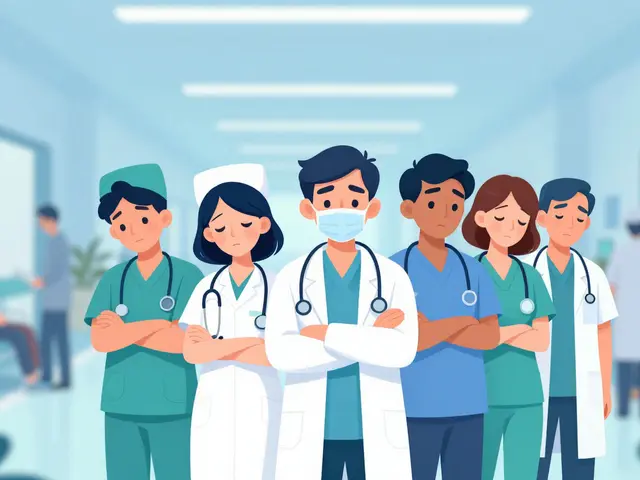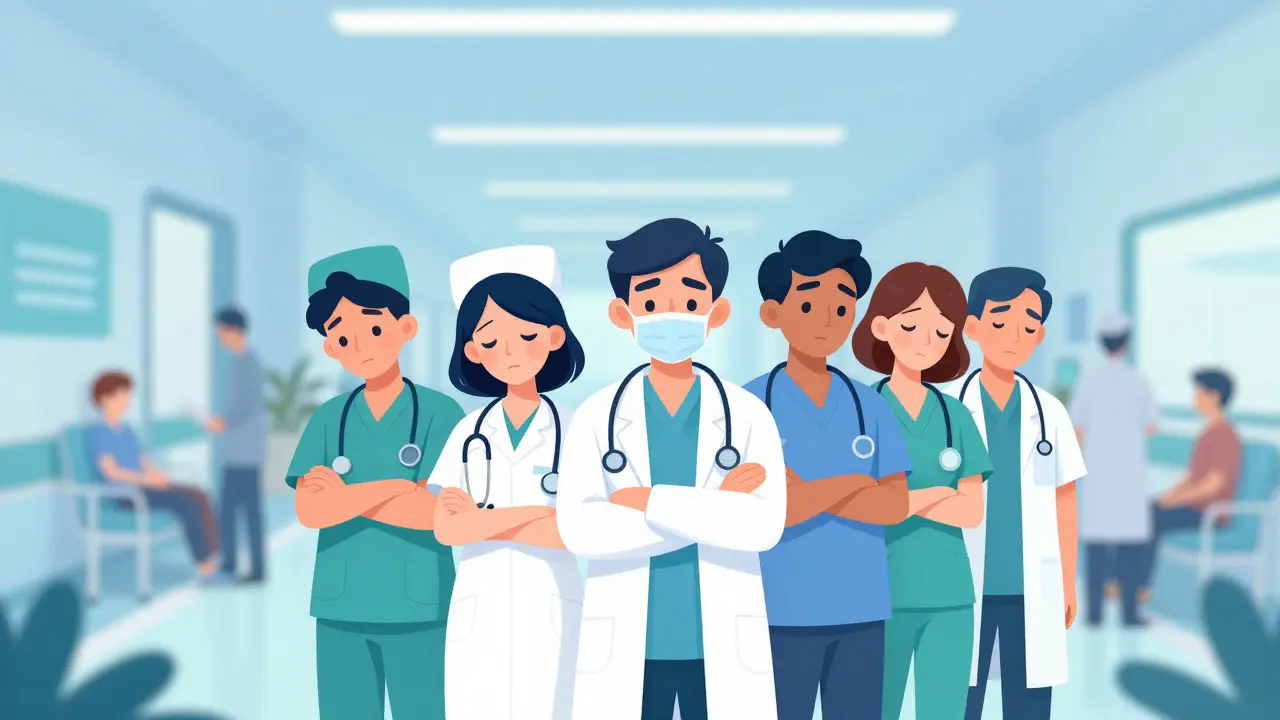
Walking into a hospital today, the tension is palpable. It isn't just the patients struggling; it's the staff. When the healthcare workforce shortage is a critical gap in the number of qualified medical professionals available to meet patient needs hits a breaking point, the result isn't just long wait times-it's clinician burnout and compromised patient safety. With the World Health Organization projecting a global gap of 11 million health workers by 2030, health systems are no longer just "managing" the problem. They are redesigning how medicine is practiced.
For those on the front lines, this means a shift from traditional hiring to a survival-based strategy. Whether it's through high-tech automation or radical changes in how shifts are scheduled, the goal is the same: keep the doors open and the patients safe. If we can bridge these gaps, McKinsey & Company suggests we could actually knock 7 percent off the global disease burden. That is a massive incentive for hospitals to get this right.
Quick Fixes: The Tactical Response to Staffing Gaps
When a ward is understaffed tonight, a five-year plan for nursing school graduates doesn't help. Health systems have turned to immediate, tactical solutions to keep operations running. One of the most visible trends is the reliance on traveling clinicians . In 2023, about 12.7% of U.S. hospitals used travel nurses to handle peak demand. While this keeps beds filled, it's an expensive band-aid.
To lower costs, many facilities are leaning on per diem staff-clocking in at 22% of facilities according to the American Hospital Association. We're also seeing a surge in international recruitment, with 18% of U.S. hospitals looking abroad to fill vacancies. But the real shift is happening internally. About 43% of hospitals are now cross-training their existing staff, meaning a nurse might be trained to help in a secondary department during a crisis. It's about flexibility and agility over rigid job descriptions.
The Digital Lifeline: Virtual Nursing and AI
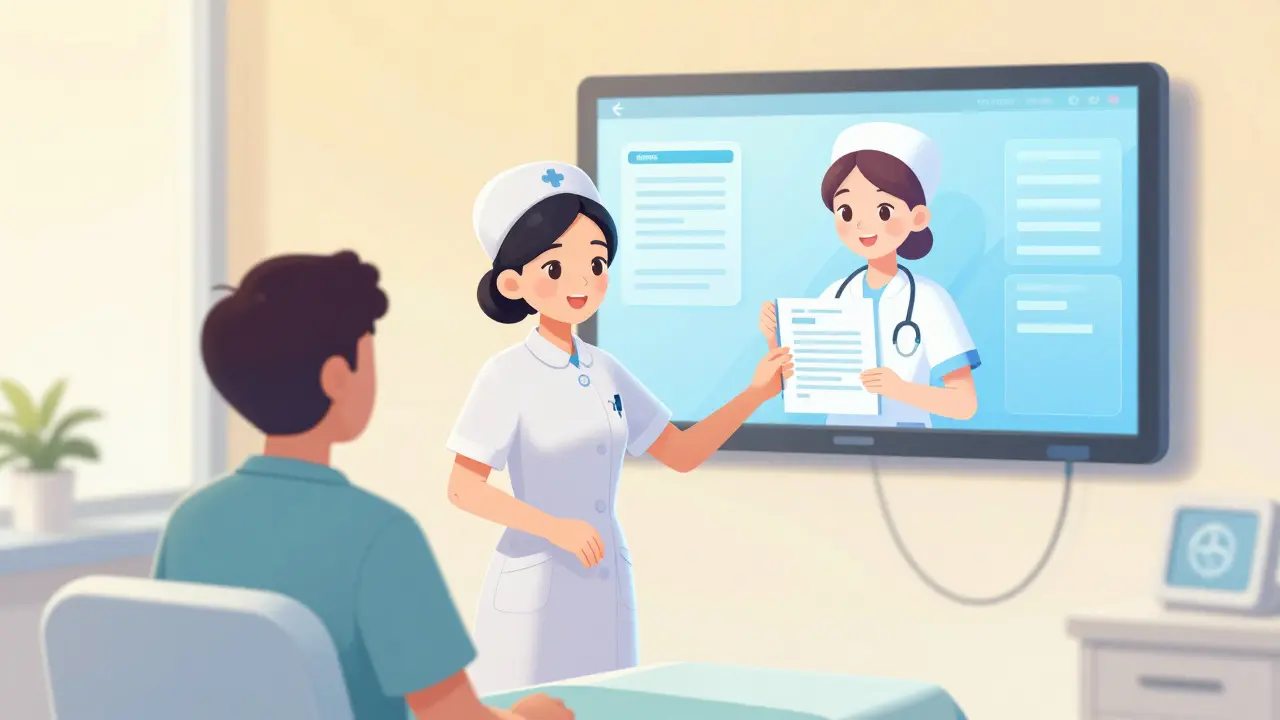
If you can't find enough people to stand at the bedside, you bring the expertise to the bedside via a screen. Virtual nursing has exploded, with adoption jumping from 35% to 68% of healthcare systems between 2022 and 2024. A virtual nurse can handle admissions, discharge paperwork, and patient monitoring, freeing up the physical nurse to focus on actual hands-on care.
Beyond the screen, Generative AI is taking over the paperwork that drives clinicians crazy. IDC projects a 51% increase in GenAI spending by healthcare providers from 2024 to 2025. This isn't about replacing doctors with robots; it's about Intelligent Document Processing (IDP). For instance, Baptist Health used AI to slash their administrative burden by 37%. When a doctor spends less time clicking boxes in a computer and more time with a patient, burnout drops and efficiency goes up.
| Technology/Approach | Primary Benefit | Measured Impact (Approx.) |
|---|---|---|
| Virtual Nursing | Reduced Bedside Admin | Adoption grew to 68% of systems |
| Intelligent Document Processing | Lower Admin Burden | 37% reduction (Baptist Health) |
| Robotic Process Automation | Workflow Optimization | $382B projected industry savings by 2027 |
| AI-Powered Scheduling | Burnout Reduction | 19% lower burnout in pilot programs |
Fighting the Exit: Retention and Mental Health
Hiring new people is useless if the current ones are walking out the door. With 42% of nurses considering leaving the profession, health systems are getting aggressive with retention. The focus has shifted toward flexible scheduling. It sounds simple, but giving nurses more control over their hours has reduced burnout by 19% in major hospital pilot programs.
Then there's the money. Sign-on bonuses have become standard, often ranging from $15,000 to $25,000. However, cash is only a short-term win. Long-term retention is being driven by career development pathways, which have boosted retention by 23%. When a technician sees a clear path to becoming a specialist, they stay. Coupled with mental health support programs-which reduced turnover by 17%-systems are finally treating clinician wellness as a business necessity rather than a luxury.
Building the Future Pipeline
We can't just recruit our way out of this; we have to grow the workforce. This is where accelerated nursing programs come in. These programs have nearly doubled their graduates over the last decade, adding about 8,000 nurses to the workforce annually. We're also seeing the rise of micro-credentialing, where 29% of systems allow staff to gain small, specific certifications to prove competence in new areas, which surprisingly increases job satisfaction by 18%.
Some systems are even changing how they handle retirement. At Johns Hopkins University School of Nursing, phased retirement programs let faculty work fewer hours while keeping full benefits. This clever move increased clinical faculty retention by 22%. Instead of a sudden brain drain when a veteran retires, the system retains that expertise for a few more years while mentoring the next generation.
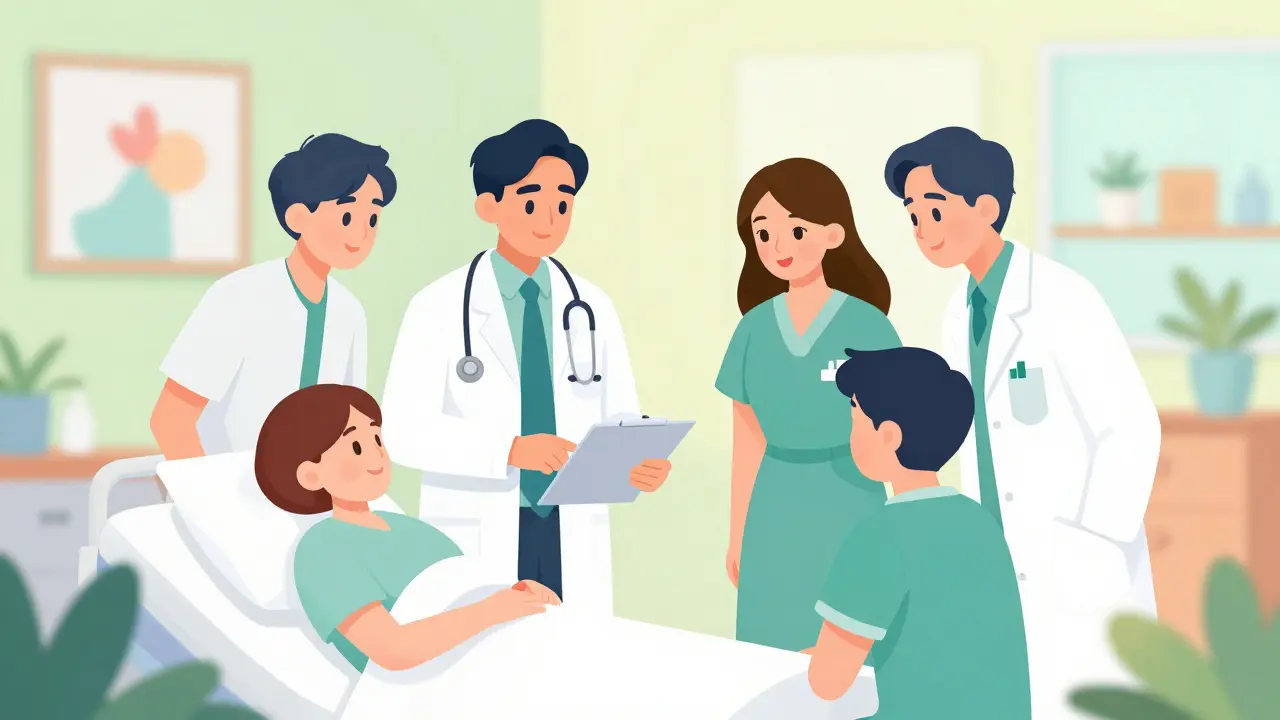
Changing the Care Model: Team-Based Medicine
The traditional model of "one doctor, one patient" is breaking. Health systems are shifting toward team-based care models , expanding the roles of nurse practitioners and physician assistants. Currently, 78% of primary care facilities use this approach, which has increased patient capacity by 33%. It's a logical shift: let the specialist handle the complex cases and let the advanced practice providers manage the routine care.
At the same time, the "hospital" is moving into the home. Expanding home-based and community care has reduced hospital readmissions by 22%. By shifting the load away from the physical hospital building, systems reduce the strain on their most stressed environments-the ER and the ICU.
The Blueprint for Success: A Multi-Pronged Approach
The most successful health systems aren't just picking one of these strategies; they're stacking them. Look at Intermountain Healthcare. They didn't just buy AI or just offer bonuses; they implemented flexible scheduling, integrated new tech, and partnered with community colleges all at once. The result? Their vacancy rate plummeted from 18% to 7% between 2022 and 2024.
Similarly, the Cleveland Clinic integrated AI training with career pathways and flexible shifts. By attacking the problem from three angles-efficiency, growth, and wellness-they boosted retention by 34%. The lesson is clear: you cannot solve a systemic workforce collapse with a single solution. You need a combination of immediate staffing patches, technological leverage, and a fundamental culture shift in how medical professionals are treated.
Why are healthcare workforce shortages happening now?
The crisis is driven by a "perfect storm" of demographic shifts, an aging global population requiring more care, and massive clinician burnout. According to the American Hospital Association, these factors are creating a gap that is particularly severe in nursing and primary care, leading to a projected shortage of 3.2 million workers in the U.S. alone by 2026.
Does AI actually replace nurses and doctors?
No, it replaces the paperwork. Current AI strategies focus on Intelligent Document Processing (IDP) and workflow automation to reduce administrative burdens. By automating routine data entry and scheduling, AI allows clinicians to spend more time on direct patient care, which actually helps reduce the burnout that causes staff to leave.
What is a virtual nursing model?
Virtual nursing uses telehealth technology to allow experienced nurses to support bedside staff remotely. They handle time-consuming tasks like admission paperwork, discharge instructions, and double-checking medication orders via a screen. This allows the physical nurse in the room to focus on clinical tasks and patient interaction.
How do sign-on bonuses affect long-term staffing?
Sign-on bonuses (averaging $15,000-$25,000) are effective for immediate recruitment, but they don't solve retention. To keep staff, health systems are finding that career development pathways and flexible scheduling are far more effective, with some programs increasing retention by over 20%.
What are accelerated nursing programs?
These are condensed educational tracks designed for individuals who already hold a degree in another field. By streamlining the path to a nursing degree, these programs have nearly doubled their graduate output over the last decade, adding roughly 8,000 new nurses to the workforce annually.