
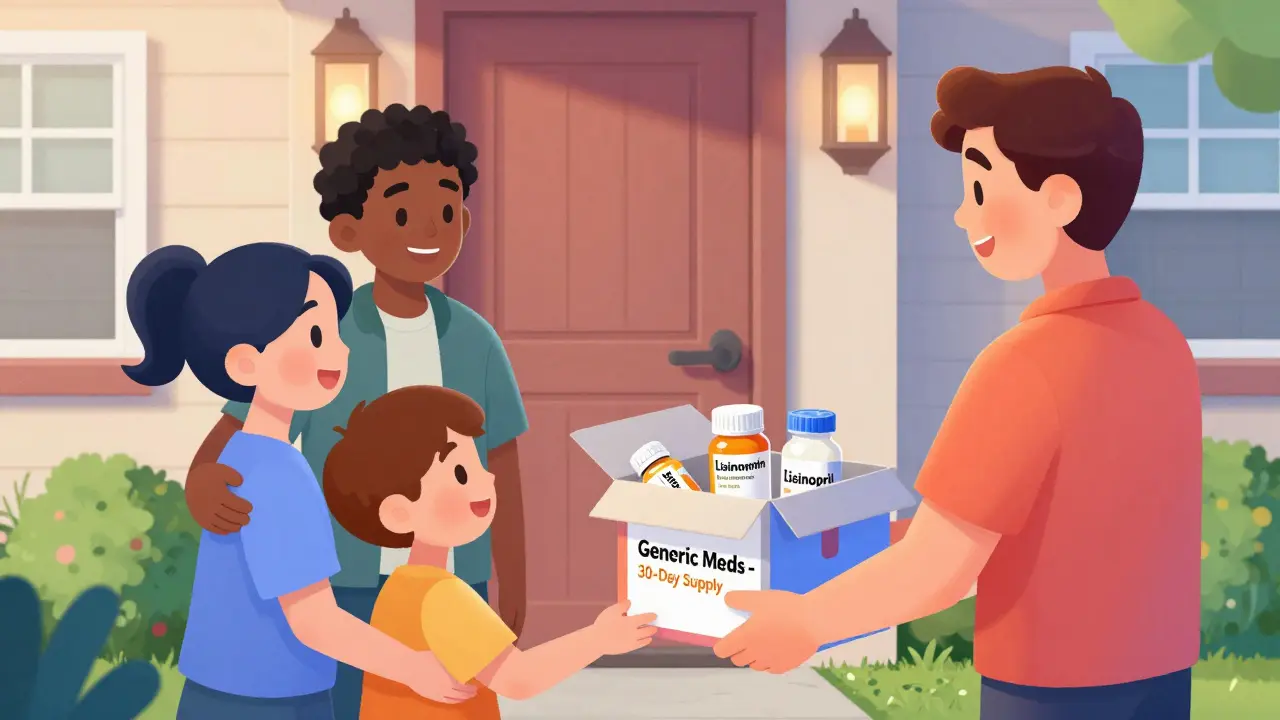
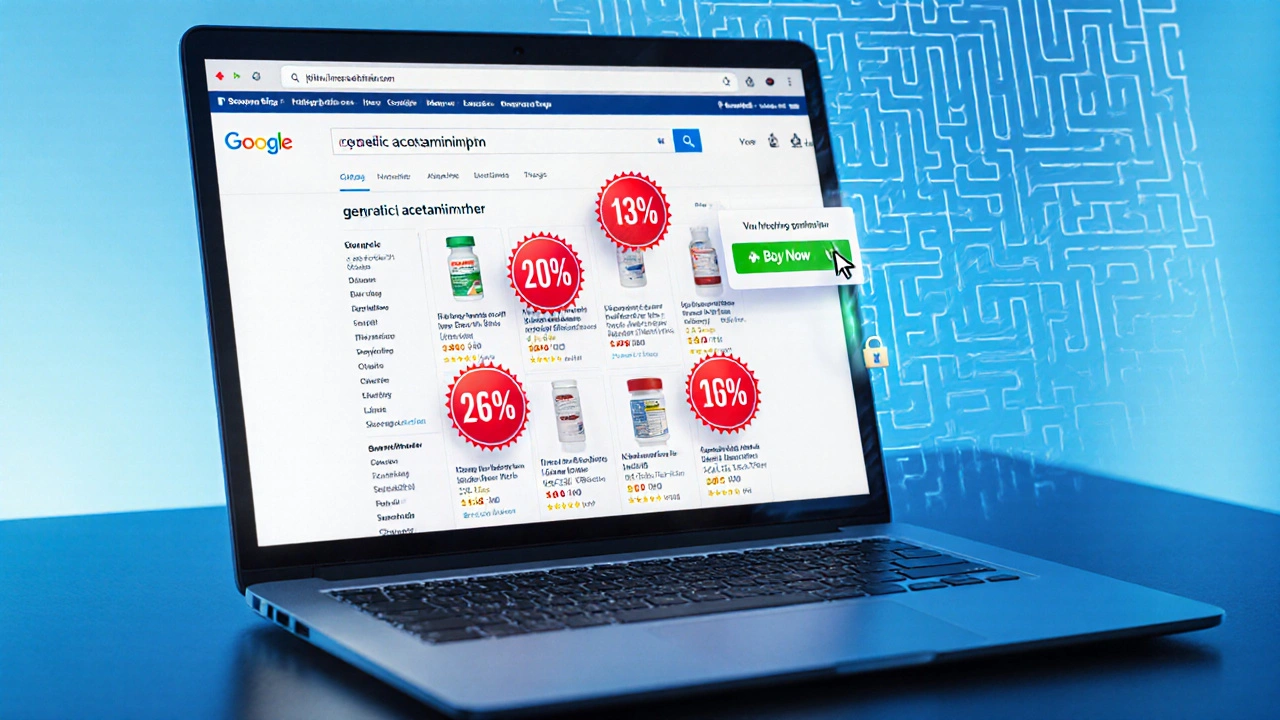
Getting your generic prescriptions delivered to your door isn’t just convenient-it’s becoming a necessity for millions. If you’re taking daily meds for high blood pressure, diabetes, or thyroid issues, you know the hassle: driving to the pharmacy, waiting in line, arguing with insurance, and forgetting to refill until you’re out. Prescription delivery services fix all that, especially for generics, which make up 90% of all prescriptions in the U.S. but cost far less than brand-name drugs.
Why Generics Are the Secret Weapon of Prescription Delivery
Most people don’t realize that generics are chemically identical to brand-name drugs. They work the same way, have the same side effects, and are approved by the FDA. The only difference? Price. A 30-day supply of metformin, for example, can cost $4 at a mail-order pharmacy versus $50 at your local drugstore. That’s why delivery services push generics hard-they’re the backbone of affordability. But here’s the catch: while generics make up 90% of prescriptions, they only account for about 20% of total drug spending. Why? Because big pharma makes most of its money off expensive brand-name drugs like GLP-1 weight-loss medications. Delivery services know this. They use generics to hook you in, then upsell higher-margin products later. But for you? It’s pure savings.How Delivery Works: From Doctor to Doorstep
It’s simpler than ordering pizza. First, your doctor sends your prescription electronically to a partnered pharmacy-no paper scripts needed. You sign up through their app or website, pick your delivery schedule (weekly, monthly, or as-needed), and link your insurance. The pharmacy processes your claim, fills the order, and ships it via courier or their own delivery team. Some services, like Walmart’s nationwide same-day delivery (launched January 2025), get your meds to you in under 4 hours. Others, like Capsule or Alto Pharmacy, focus on 1-2 day delivery with real-time tracking. Even if you’re in a rural area, most services cover 95% of U.S. zip codes. No car? No problem. No phone? Many offer phone-based ordering. The system works because it’s automated. AI checks for interactions, flags refills before you run out, and even texts you if your delivery is delayed. One user in Ohio told me he hadn’t missed a dose of his cholesterol med in 18 months-thanks to automatic refills and a text reminder that said, “Your pills are out for delivery.”Who Benefits Most? (It’s Not Just Seniors)
You might think this is only for older adults. But data shows otherwise. While seniors make up a big chunk-especially with mobility issues-millennials and Gen Z are the fastest-growing users. Why? They’re used to on-demand everything: food, rides, groceries. Why not meds? People with chronic conditions benefit the most. Diabetes, asthma, depression, hypertension-any condition requiring daily meds sees a 25% higher adherence rate with delivery services, according to IQVIA. That means fewer hospital visits, fewer complications, and lower long-term costs. Even working parents love it. One mom in Texas said she used to spend 3 hours a month just picking up prescriptions. Now she gets them delivered while her kids are at school. She saves time, stress, and gas money.Delivery vs. Mail-Order: What’s the Difference?
Don’t confuse same-day delivery with traditional mail-order. Mail-order means you order a 90-day supply, wait a week, and get it in the mail. It’s cheaper but slower. Same-day delivery? You order at 10 a.m., get it by 2 p.m. That’s huge if you’re out of pills and your doctor’s office is closed. Mail-order still dominates for long-term meds-over 60% of users get their refills this way. But same-day is growing fast. Walmart’s expansion to 49 states and Amazon’s goal to cover 45% of the country by end of 2025 show this isn’t a fad. It’s infrastructure. Here’s the trade-off: mail-order gives you bulk discounts. Same-day gives you peace of mind. Many people use both: mail-order for their monthly meds, same-day for emergencies or new prescriptions.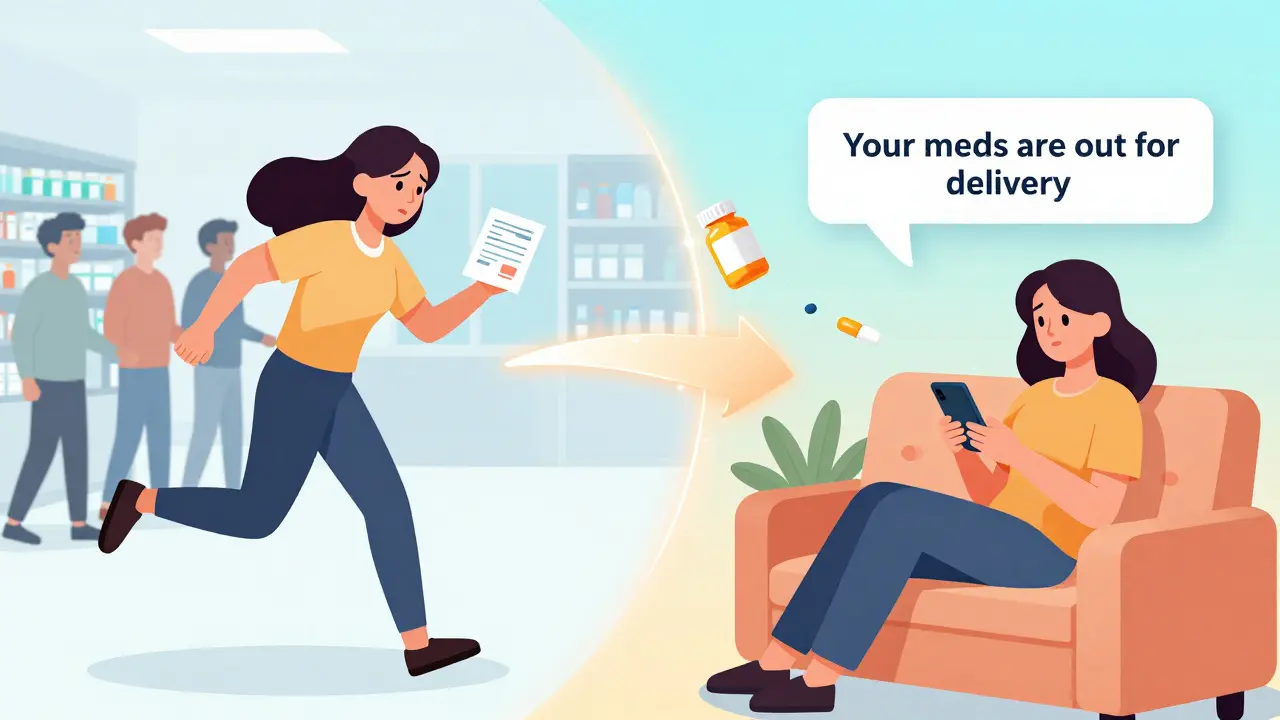
What About Insurance and Costs?
Most delivery services work with major insurers-Blue Cross, UnitedHealthcare, Aetna, Medicare Part D. You pay your usual copay, just like at the pharmacy. Sometimes, it’s lower. For example, a $10 copay for lisinopril might drop to $5 with mail-order delivery. If you’re uninsured? Many services offer cash prices that beat pharmacy counters. A 30-day supply of generic atorvastatin? $5-$8. At CVS? $40. That’s why uninsured patients are switching in droves. Beware of hidden fees. Some services charge for delivery unless you spend over $25. Others have subscription plans that auto-renew. Always check the fine print. But most reputable ones-like CVS, Walgreens, and Amazon Pharmacy-don’t nickel-and-dime you.What Can Go Wrong? (And How to Avoid It)
Delivery isn’t perfect. Here are the real problems people face:- Insurance delays: Some generics have complex prior authorizations. If your plan doesn’t cover it, delivery gets stuck. Solution: Call your pharmacy before ordering. Ask if they’ve processed your claim.
- Wrong meds: Rare, but happens. Always check the bottle when it arrives. Compare the pill color, shape, and name to your old bottle.
- Temperature-sensitive meds: Insulin, some biologics, or injectables need refrigeration. If your package arrives warm, don’t use it. Call the pharmacy immediately. Most now use insulated packaging with ice packs.
- Communication gaps: No text updates? Delivery missed? Use the app’s chat feature. Don’t wait for a call. Digital services respond faster than phone lines.
Top Services in 2025 (And What They Do Best)
- Walmart Pharmacy: Best for same-day delivery. Covers 49 states. Low cash prices. Works with most insurance.
- Amazon Pharmacy: Best for Prime members. Free 2-day shipping. Integrates with Alexa for refill reminders.
- Capsule: Best for urban areas. Same-day in 20+ cities. Clean app, great customer service.
- CVS and Walgreens: Best if you already use their stores. Easy to switch from in-person to delivery.
- NowRx: Best for same-day in California, Nevada, Arizona. No membership needed.
Is It Safe? (Yes, But Know the Rules)
Controlled substances like opioids or ADHD meds can be delivered, but with extra steps. You might need to sign for them, or have them held at a local pharmacy for pickup. This isn’t a loophole-it’s federal law. All licensed delivery pharmacies are regulated by state boards and the DEA. They must verify your identity, your prescription, and your insurance. If a service doesn’t ask for your ID or asks you to pay upfront without insurance, walk away. Stick to services linked to major chains or listed on your insurer’s website. If it looks sketchy, it probably is.What’s Next? AI, Cold Chains, and Personalized Care
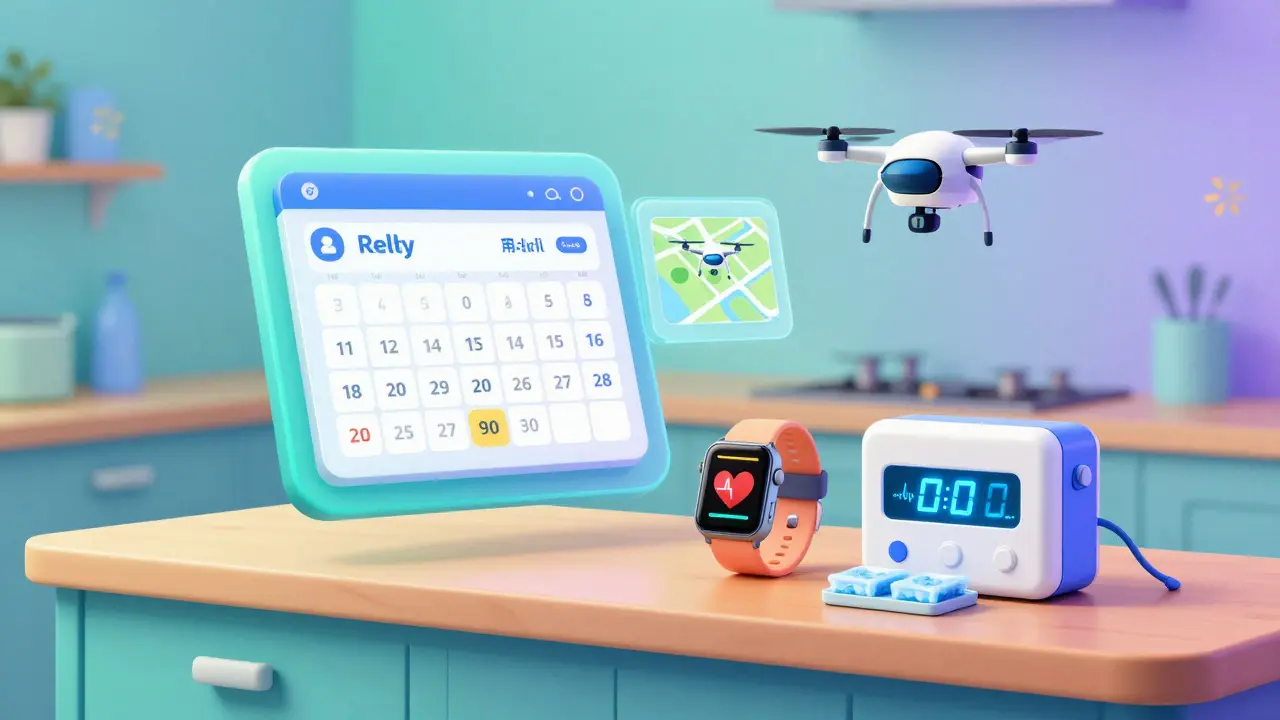
The future isn’t just faster delivery. It’s smarter delivery. AI now predicts when you’ll run out of meds based on your refill history. Some services send you a text: “You usually refill on the 15th. Want us to send your next bottle?” Cold-chain logistics are improving too. Insulin and biologics are now shipped in temperature-controlled boxes with real-time sensors. If the package gets too warm, you get an alert-and a free replacement. And soon, delivery services will integrate with your wearable. If your Fitbit shows your heart rate’s been high for days, your pharmacy might proactively send a refill of your blood pressure med. That’s not sci-fi-it’s already being tested.Final Thought: This Isn’t a Luxury Anymore
Prescription delivery used to be a perk for the elderly or disabled. Now it’s a standard part of healthcare. With chronic diseases rising and drug prices still climbing, saving time and money isn’t optional-it’s survival. If you’re on generics, you’re already saving. Delivery just makes it effortless. No more missed doses. No more wasted trips. No more guessing if your pill bottle is empty. Start with your current pharmacy. Ask if they offer delivery. If not, try Walmart or Amazon. It takes 5 minutes to sign up. And in a few days, your meds will show up at your door-exactly when you need them.Are generic medications safe to order online?
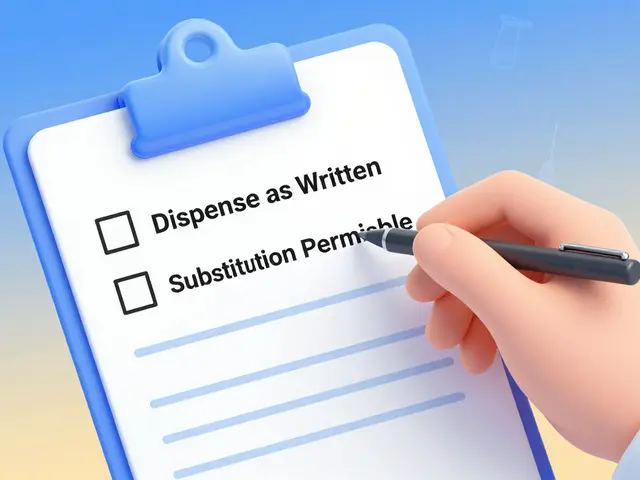
Yes, if you use a licensed pharmacy. All FDA-approved generics sold by reputable delivery services are identical to brand-name drugs in strength, safety, and effectiveness. Look for pharmacies that are verified by the National Association of Boards of Pharmacy (NABP) or listed on your insurance provider’s network. Avoid websites that don’t require a prescription or offer pills at prices that seem too good to be true.
Can I get my controlled substances delivered?
Yes, but with restrictions. Controlled substances like opioids, stimulants, or benzodiazepines can be delivered, but they require extra verification. You may need to sign for them in person, and some states require pickup at a local pharmacy. Delivery services must follow DEA rules, so they’ll confirm your identity and prescription before shipping. Never expect same-day delivery for these meds-they’re handled more carefully.
How do I transfer my prescriptions to a delivery service?
It’s easy. Most services let you transfer prescriptions online with one click. Just enter your pharmacy’s name, your prescription number, and your insurance info. The new pharmacy contacts your doctor and old pharmacy to handle the rest. You’ll get a confirmation email or text. No need to call your doctor or pick up a new script.
What if my delivery is late or wrong?
Call the pharmacy’s customer service immediately. Most services have 24/7 support. If you got the wrong medication, don’t take it. Take a photo of the bottle and send it to them. They’ll usually send a replacement the same day. If your delivery is delayed, check the tracking link. If it’s stuck, ask for a refund on the delivery fee or a free next order. Most will make it right.
Do I need to be home to receive my meds?
Not always. For regular generics, most deliveries are left at your door in a secure, discreet package. For controlled substances or temperature-sensitive meds like insulin, you may need to sign for them. Some services offer locker pickup or delivery to a nearby pharmacy if you’re not home. Check the delivery options when you sign up.
Can I use delivery if I’m on Medicare?
Yes. Most delivery services accept Medicare Part D. You’ll pay your usual copay, and sometimes it’s lower than at a local pharmacy. Make sure the pharmacy is in your plan’s network. You can check this on Medicare.gov or by calling your plan’s customer service. Some services even help you compare prices across plans to find the best deal.
Are delivery services cheaper than local pharmacies?
For generics, almost always. A 30-day supply of metformin costs $4-$8 through delivery services, compared to $30-$50 at CVS or Walgreens. Even with insurance, mail-order delivery often has lower copays. For brand-name drugs, prices vary, but delivery services frequently offer discounts or coupons. Always compare prices before choosing.


Sandeep Mishra on 31 December 2025, AT 01:00 AM
It’s wild how something so simple-getting pills delivered-can feel like a revolution. I’ve been on metformin for 8 years, and before delivery, I’d forget for weeks, then panic-buy at 11 p.m. from a 24-hour pharmacy that smelled like antiseptic and regret. Now? My meds show up like clockwork. I don’t even think about it anymore. It’s not convenience-it’s dignity. 🙏