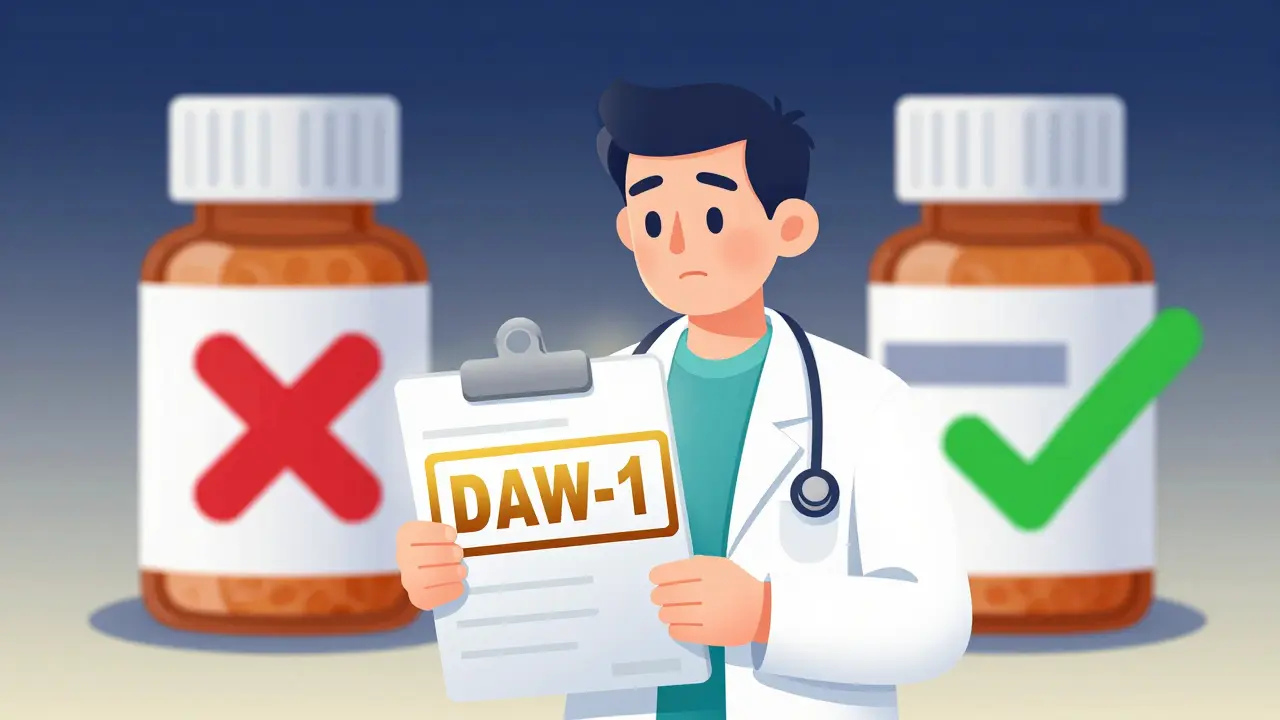
Every time you fill a prescription, there’s a silent decision happening behind the scenes: brand or generic? Most of the time, the answer is generic. It’s cheaper, it’s FDA-approved, and your pharmacist is legally allowed to swap it in. But what if your doctor says no? What if they insist you get the brand-name drug - even when a generic exists? That’s the prescriber override. And it’s not just a suggestion. It’s a legal power.
How Generic Substitution Works (And When It Doesn’t)
In the U.S., nearly 91% of prescriptions are filled with generics. That’s because they’re just as safe and effective as brand-name drugs - same active ingredient, same dose, same way of working. The system was built to save money. Between 2010 and 2019, generics saved the healthcare system over $2.2 trillion. But not all drugs are created equal.
Some medications have a narrow therapeutic index. That means the difference between a dose that works and one that’s dangerous is tiny. Think warfarin (blood thinner), levothyroxine (thyroid hormone), or phenytoin (seizure control). Even tiny differences in how a generic is made - like a different filler or coating - can throw off how much of the drug actually gets into your bloodstream. That’s why doctors sometimes need to block substitution.
State laws handle this differently. In 35 states, pharmacists must substitute generics unless told otherwise. In 15 states, they can choose whether to substitute. But no matter the state, if the prescriber says “no substitution,” the pharmacy has to follow.
The Magic Code: DAW-1
The system that makes this work is called DAW - Dispense As Written. There are nine DAW codes, but only one matters here: DAW-1. This code tells the pharmacy: “Do not substitute. Dispense the brand exactly as written.”
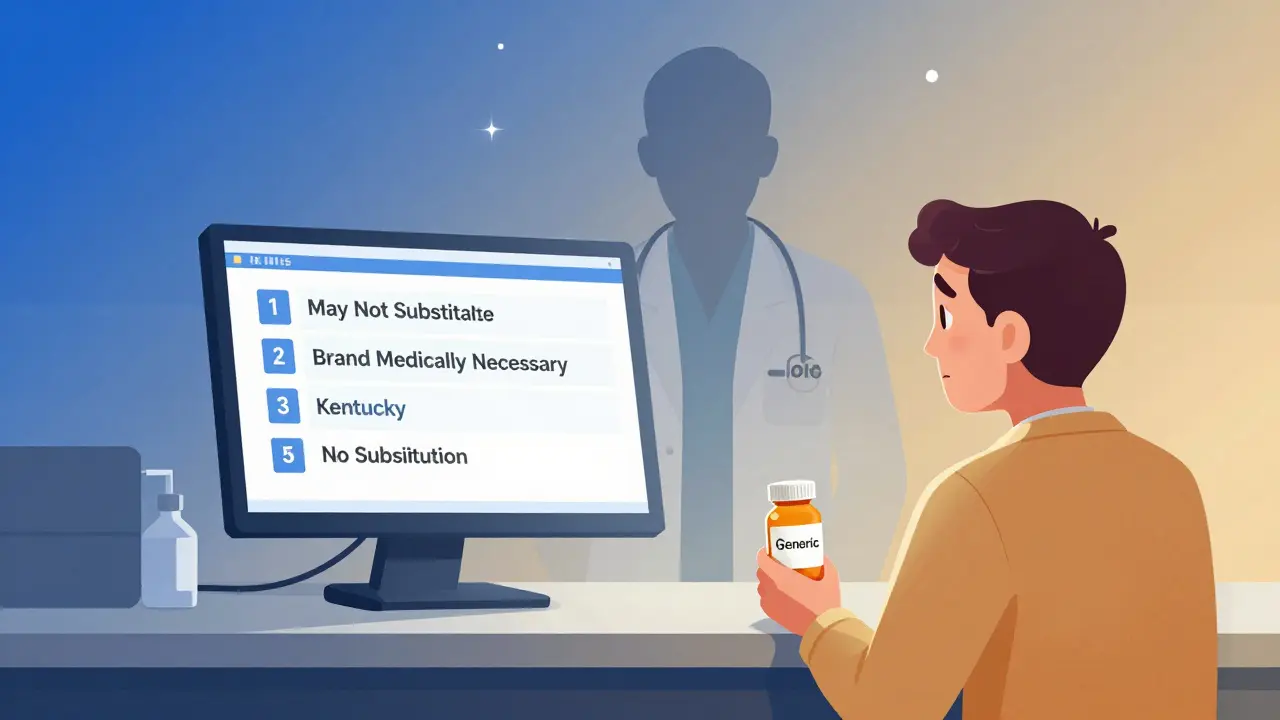
It’s not just a checkbox. It’s a legal requirement. But here’s the problem: how you write it matters. In Illinois, the prescriber must check a box labeled “May Not Substitute.” In Kentucky, they must handwrite “Brand Medically Necessary.” In Massachusetts, “No Substitution” works. In Michigan, it has to say “DAW” or “Dispense as Written.” And in Oregon? You can say it over the phone - but you can’t just pick a default option in your electronic system.
If you get it wrong, the pharmacy won’t process it. And if the pharmacy doesn’t get the message, they might dispense the generic anyway - even if your doctor specifically said no. That’s how people end up in the hospital.
When Overrides Are Necessary - And When They’re Not
Doctors use DAW-1 for real clinical reasons. A patient on levothyroxine who switches to a generic and then develops palpitations, weight loss, or anxiety? That’s not a coincidence. Studies show that switching thyroid meds can cause dangerous swings in hormone levels. Same with epilepsy drugs. A 2022 case in the Journal of the American Pharmacists Association found that 27 adverse events between 2018 and 2022 were directly linked to improper substitution of narrow therapeutic index drugs.
But here’s the ugly truth: many overrides are unnecessary. A 2019 study found that doctors overestimate how different generics are from brands. In one survey, only 58% of physicians correctly understood their own state’s override rules. And 23% admitted they accidentally let substitutions happen because they didn’t document properly.
It’s not just about ignorance. It’s about convenience. Some doctors just check “DAW-1” on every prescription for certain drugs - like a habit. Others do it because patients ask for the brand. And some do it because they don’t trust generics, even though the FDA says they’re equivalent.
The cost? Billions. DAW-1 prescriptions cost, on average, 32.7% more than substituted generics. In 2021, one major pharmacy benefit manager found that nearly 18% of brand-drug spending was avoidable - because of improper override use.
What Happens When the System Breaks
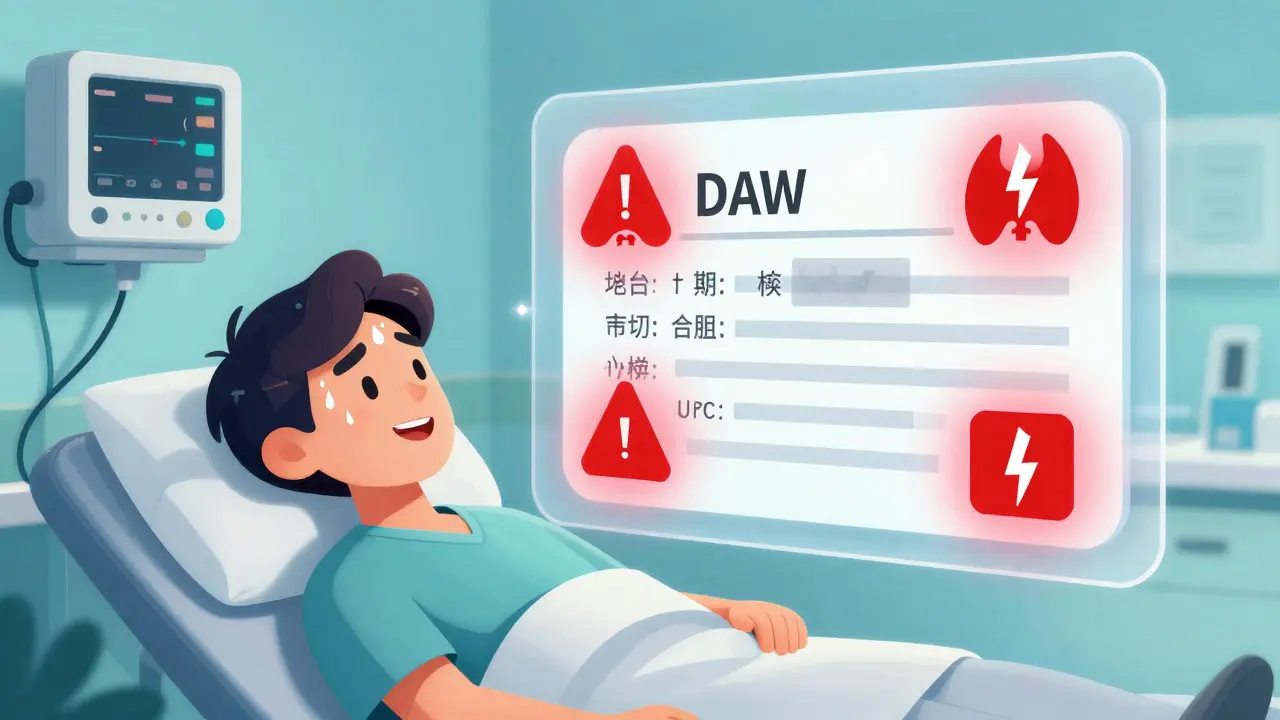
Imagine this: You’re on levothyroxine. Your doctor writes “DAW-1” on the prescription. You go to the pharmacy. The pharmacist doesn’t see it. Maybe the electronic system glitched. Maybe the handwriting was unclear. They give you the generic. You take it. Two weeks later, you’re dizzy, your heart is racing, and you’re admitted to the ER with thyroid storm. That’s not hypothetical. That’s happened. And it’s not rare.
On forums like Reddit and Sermo, doctors share horror stories. One doctor in California wrote “Brand Medically Necessary” - but the pharmacy rejected it because their EHR only accepted “No Substitution.” Another in Texas had a patient switch to a different generic after a pharmacy error - and the patient’s seizure frequency tripled.
Pharmacists aren’t to blame. They’re stuck between conflicting rules. One state requires handwriting. Another requires electronic codes. A third requires patient consent. And if you’re a doctor who practices in multiple states? You’re playing a guessing game.
How to Get It Right
If you’re a doctor, here’s what you need to do:
- Know your state’s rules. Don’t assume. Check with your state pharmacy board. The National Association of Boards of Pharmacy has an interactive map updated every quarter.
- Use the exact wording your state requires. “DAW-1” alone isn’t enough. You need the phrase your state recognizes.
- Use your EHR correctly. Many electronic systems have templates. Make sure they match your state’s law. If they don’t, customize them.
- Document clearly. If you write it by hand, make it legible. If you use e-prescribing, double-check the code before sending.
- Don’t override blindly. Only use DAW-1 when there’s a real clinical reason: narrow therapeutic index, documented failure with generic, or confirmed allergy to inactive ingredients.
For pharmacists: If the override code is missing or unclear, call the prescriber. Don’t guess. A 2021 study showed that clinics using standardized templates reduced override-related errors by over 40%.
The Future: Standardization Is Coming
The system is broken. It’s patchy, confusing, and dangerous. That’s why Congress is looking at the Standardized Prescriber Override Protocol Act. If passed, it would create one national standard for DAW-1 requests - no more state-by-state chaos.
The FDA is also updating the Orange Book, which tells pharmacists which drugs are truly interchangeable. Version 4.0, released in January 2023, now includes biosimilars - meaning override rules will soon apply to biologic drugs like Humira and Enbrel.
By late 2024, e-prescribing systems will be required to embed override instructions directly into the digital prescription. That means fewer handwritten notes. Fewer rejected claims. Fewer hospitalizations.
But until then, the burden is on you - the prescriber. You have the power to override. But with that power comes responsibility. Get it right. Because someone’s life could depend on it.