
Antidepressant Risk Calculator
Risk Assessment Tool
This tool helps you understand the relative risk of suicidal thoughts associated with different antidepressants based on FDA data. Results reflect clinical research, not individual medical advice.
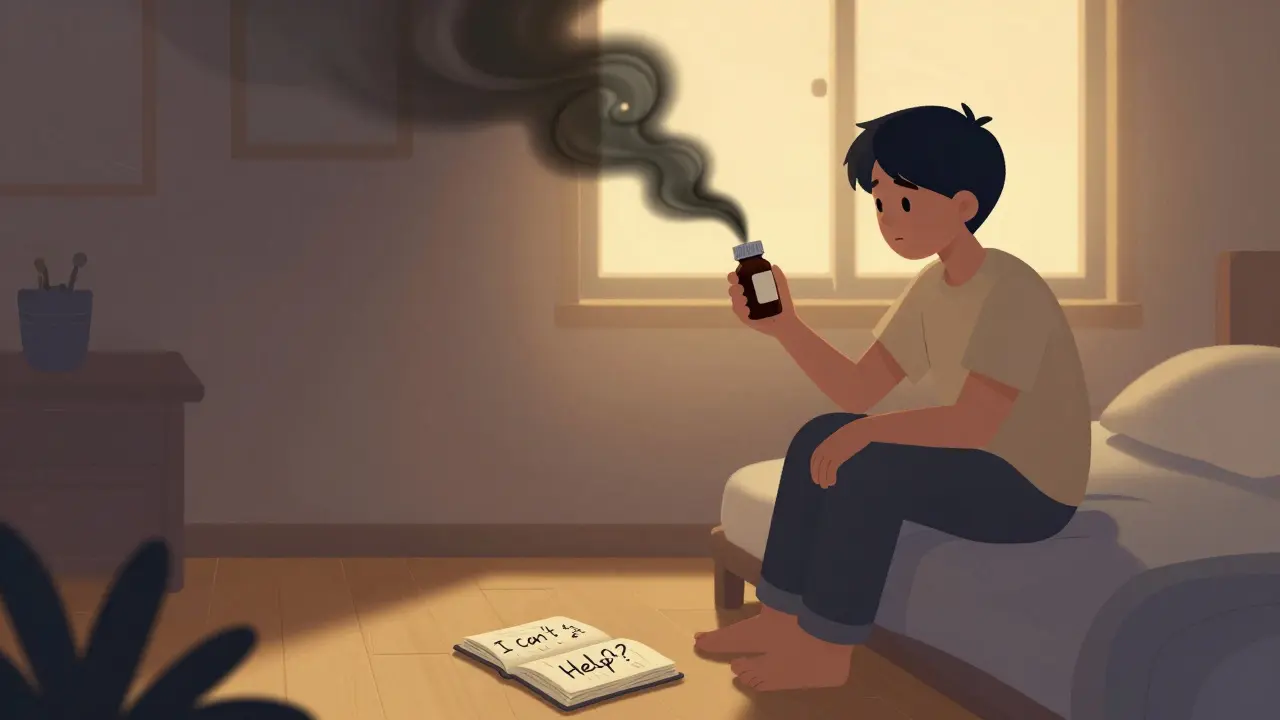
It’s a quiet Tuesday morning in Perth, and you’re scrolling through your phone when you see it: antidepressants might increase the risk of suicidal thoughts. Your heart skips. You’ve been on them for weeks. Your doctor said they’d help. But now you’re wondering-could they be making things worse?
What Is the Black Box Warning?
The U.S. Food and Drug Administration (FDA) put a black box warning on antidepressants in 2004. It’s the strongest safety alert they can give short of pulling a drug off the market. That warning says: Antidepressants may increase the risk of suicidal thoughts and behaviors in children, adolescents, and young adults up to age 24. It doesn’t say antidepressants cause suicide. It doesn’t say they’re dangerous. It says something more subtle-and more confusing: during the first few weeks of treatment, some people, especially younger ones, may feel worse before they feel better. And that can include thoughts of self-harm.The warning came after a review of 24 clinical trials involving over 4,400 patients. In those studies, 4% of people on antidepressants had suicidal thoughts or behaviors. Only 2% of those on placebo did. No one died. But the pattern was clear enough for regulators to act.
The warning was expanded in 2006 to cover all 36 antidepressants approved at the time, including SSRIs like fluoxetine (Prozac), sertraline (Zoloft), and paroxetine (Paxil), as well as others like venlafaxine (Effexor) and bupropion (Wellbutrin). It also required drugmakers to include a Patient Medication Guide with every prescription-printed in plain language, handed directly to the patient or caregiver.
Why Does This Happen?
You might think: if antidepressants fix low mood, why would they trigger suicidal thoughts?The answer isn’t about the drug being toxic. It’s about how the brain changes during early treatment.
Depression saps energy. Motivation. The will to move. When an antidepressant starts working, it often lifts energy before it lifts mood. So someone who was too exhausted to act on suicidal thoughts might suddenly have the energy to act on them.
Think of it like this: imagine you’re stuck in deep snow. You can’t move. You feel hopeless. Then, someone gives you a shovel. You’re still cold. You’re still scared. But now, you can lift your arms. You can reach for the phone. You can walk to the door. That’s not progress-it’s vulnerability.
That’s why the warning focuses on the first few weeks. That’s when the risk is highest. After 8 to 12 weeks, studies show the risk drops below placebo levels. For many, the medication becomes a lifeline.
Who’s at Risk?
The warning applies to people under 25. But not everyone in that group is equally affected.Younger teens (ages 10-17) show the strongest signal of increased risk. Young adults (18-24) show a smaller, but still measurable, increase. After age 25, the risk disappears-or even reverses. In adults over 65, antidepressants are linked to lower suicide rates.
Some drugs carry more risk than others. Paroxetine (Paxil) showed the highest association with suicidal behaviors in early studies. Fluoxetine (Prozac) showed the lowest. Sertraline and fluvoxamine are the only two SSRIs approved for OCD in children under 18, and their safety profile is better documented.
It’s not just the drug. It’s the person. People with severe depression, a history of self-harm, or bipolar disorder (undiagnosed) are more vulnerable. So are those with a family history of suicide.

The Unintended Consequences
Here’s where things get messy.After the warning went into effect, prescriptions for antidepressants in teens dropped by over 20%. Psychotherapy visits fell too. And guess what happened next?
In the U.S., suicide deaths among youth rose by nearly 15% between 2003 and 2005. Emergency room visits for drug poisonings jumped 28%. Many of those cases involved overdose of over-the-counter meds, alcohol, or illicit drugs-things people turned to when they couldn’t get treatment.
A 2023 study in Health Affairs looked at 15 years of data. The conclusion? The black box warning may have done more harm than good. It scared patients. It scared doctors. And in many cases, it stopped treatment before it had a chance to work.
One doctor in Melbourne told me: "I had a 17-year-old girl who refused to take fluoxetine because her mom saw the warning. She stopped going to school. She stopped talking. She tried to overdose on ibuprofen. We had to hospitalize her. She’s on meds now. She’s doing better. But she almost didn’t make it because we were too afraid to help."
What Should You Do?
If you or someone you care about is starting an antidepressant, here’s what actually matters:- Start low, go slow. Doses are usually started at the lowest possible level. Don’t rush to increase it.
- Watch the first 8 weeks like a hawk. Check in daily. Ask: "How are you feeling?" Not just "Are you sad?" but "Do you feel like you can get through today?"
- Know the red flags. New or worsening thoughts of self-harm. Giving away possessions. Talking about being a burden. Withdrawing completely. These aren’t "just bad days." They’re signals.
- Don’t stop cold turkey. Quitting abruptly can cause withdrawal symptoms that mimic worsening depression. Talk to your doctor before making any changes.
- Combine meds with therapy. Antidepressants work better with counseling. Cognitive behavioral therapy (CBT) has been shown to reduce suicidal thinking even faster than meds alone.
And remember: untreated depression kills. The suicide rate among people with major depression is over 15%. That’s 1 in 7. The risk from antidepressants? Less than 1 in 50 in the first few weeks. That’s not zero. But it’s not the same as saying "this drug will make you suicidal."
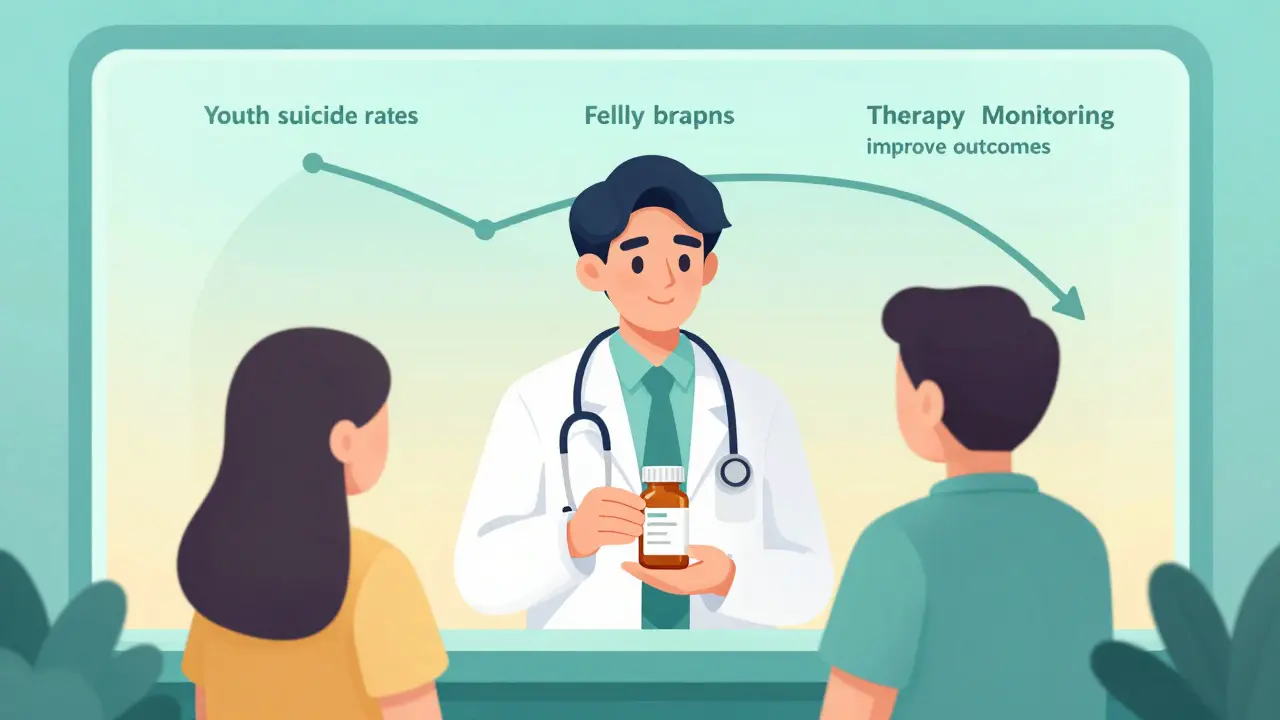
Is the Warning Still Necessary?
The FDA still keeps the black box warning. In 2022, they reviewed new data and decided to leave it in place-but with clearer language. Now, the warning says: "The risk is greatest in the first few weeks of treatment. Monitor closely. The benefits may outweigh the risks for many patients." Some experts say it’s time to replace the black box with a simple, plain-language alert on the prescription bottle. Others say the warning saved lives by forcing doctors to talk about risk.Here’s what we know for sure: blanket warnings don’t work. One-size-fits-all alerts ignore individual risk. A 2021 meta-analysis in JAMA Psychiatry found that the risk of suicidal behavior varied widely by drug. Fluoxetine? Minimal. Paroxetine? Higher. Venlafaxine? Moderate. A better warning would say: "This drug carries X risk. Here’s what to watch for."
What’s Next?
The future of antidepressant warnings isn’t about fear. It’s about precision.Doctors are starting to use tools that estimate individual risk based on age, diagnosis, family history, and even genetic markers. Some clinics now offer genetic testing to predict how someone might respond to certain SSRIs.
And more importantly-people are learning to talk about it. Not with fear. With facts.
If you’re on an antidepressant and you feel worse in the first few weeks, it doesn’t mean you’re broken. It doesn’t mean you should quit. It means you need to call your doctor. Right now. Not tomorrow. Today.
Because healing doesn’t always feel like progress. Sometimes, it feels like falling apart before it feels like coming together.
Do all antidepressants carry the same risk of suicidal thoughts?
No. The risk varies by medication. Fluoxetine (Prozac) has the lowest association with suicidal behavior in young people. Paroxetine (Paxil) has shown higher risk in studies. Sertraline (Zoloft) and fluvoxamine fall in between. The black box warning applies to all antidepressants as a class, but research shows some are safer than others for teens and young adults.
Is it safe to take antidepressants if I’m under 25?
Yes-for most people, the benefits outweigh the risks. Untreated depression carries a much higher risk of suicide than antidepressants do. The key is close monitoring during the first 8 weeks. If you or your teen starts feeling worse, especially with new thoughts of self-harm, contact your doctor immediately. Don’t wait. Don’t assume it’ll pass.
Why did the FDA issue the warning if no one died in the studies?
The FDA acted on suicidal behaviors-not completed suicides. In clinical trials, suicidal thoughts, plans, or attempts were tracked. These are serious warning signs that often precede death. The 4% vs. 2% difference was statistically significant and consistent across multiple studies. Even without deaths, the pattern was strong enough to warrant action.
Can the black box warning cause people to avoid treatment and increase suicide risk?
Yes. Multiple studies, including one published in Health Affairs in 2023, found that after the warning went into effect, fewer teens saw doctors for depression, fewer got prescriptions, and more turned to dangerous alternatives like overdosing on OTC drugs. Suicide deaths rose. The warning may have saved some lives-but it also cost others.
What should I do if I’m worried about suicidal thoughts after starting an antidepressant?
Call your doctor or therapist right away. Don’t wait. Don’t try to tough it out. If you can’t reach them, go to the nearest emergency room or call a crisis line. In Australia, Lifeline is 13 11 14. You are not alone. This is a temporary phase for most people-and with support, it passes.


APRIL HARRINGTON on 10 March 2026, AT 06:48 AM
I swear if one more person tells me to 'just take the pill and trust the process' I'm gonna scream. My cousin took Zoloft and within two weeks she was writing goodbye letters to her cats. Like... what even is this? They don't tell you the energy comes back before the hope does. You're just a walking bomb with a prescription.