Foreign Pharmacies: What You Need to Know Before Ordering Medications Overseas
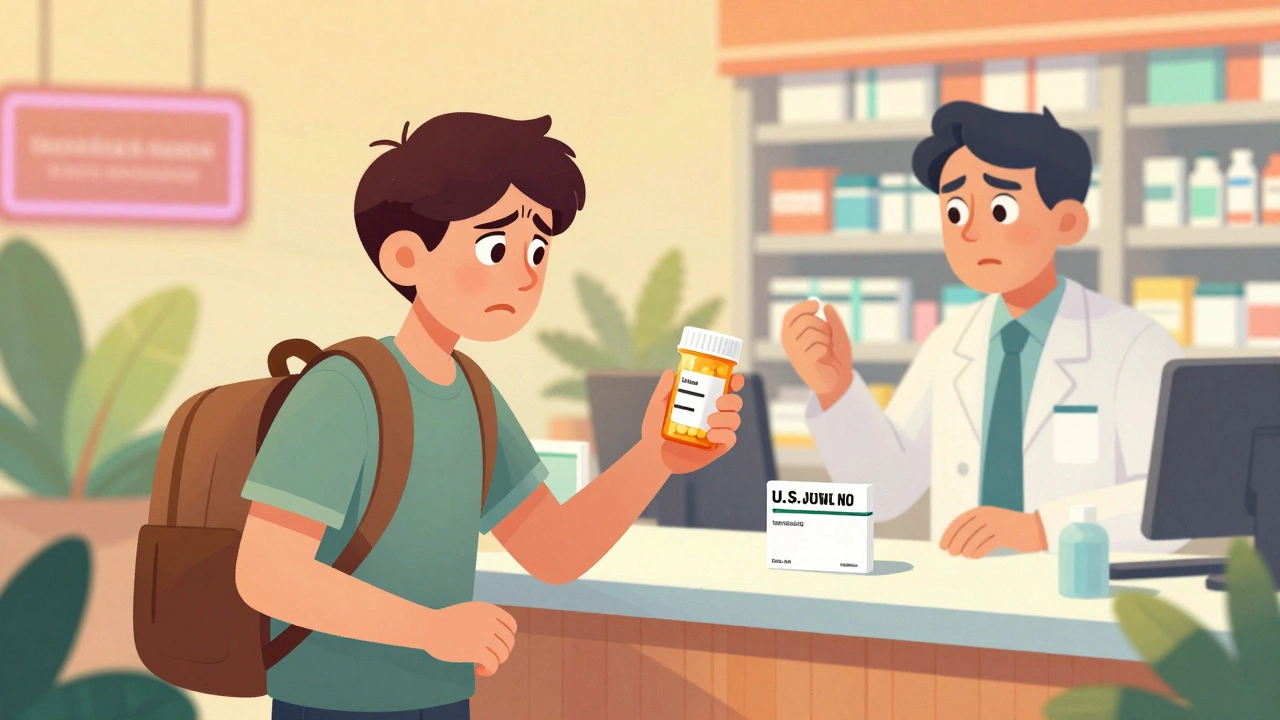
When you order medication from a foreign pharmacy, a pharmacy located outside your home country that sells prescription or over-the-counter drugs to international customers. Also known as international pharmacy, it can offer big savings—but not all are legal or safe. Many people turn to these sites because brand-name drugs cost half as much abroad, or because they can’t get a needed generic in their own country. But here’s the catch: the FDA doesn’t regulate these sellers, and many are fake. You could end up with pills that have no active ingredient, the wrong dose, or even toxic fillers.
That’s why it’s crucial to understand how medication safety, the practice of ensuring drugs are used correctly to avoid harm works across borders. A generic drug import, the legal or illegal bringing in of FDA-approved generic medications from overseas might be perfectly fine if it’s from a licensed pharmacy in Canada, the UK, or Australia—countries with strict drug standards. But if it’s from a website with no physical address, no licensed pharmacist, or no way to verify the source, you’re playing Russian roulette with your health. Look for the VIPPS seal (Verified Internet Pharmacy Practice Sites) or check if the pharmacy is accredited by the Canadian International Pharmacy Association. If they don’t ask for a prescription, run.
People often don’t realize that international drug sourcing, the process of obtaining medications from outside one’s own country, often for cost or access reasons isn’t just about price. It’s about consistency. A pill made in India might look identical to the one from your local pharmacy, but if the manufacturing standards differ, the absorption rate could be off. That’s dangerous for drugs like blood thinners, seizure meds, or insulin. And if you’re taking multiple prescriptions, mixing foreign-sourced drugs with ones you get locally increases the risk of drug interactions—something we’ve seen in posts about pharmacogenomics and statin risks. Your body doesn’t care where the pill came from; it only reacts to what’s in it.
Some folks use foreign pharmacies because their insurance won’t cover a needed drug, or their doctor won’t prescribe it. But before you click ‘buy,’ ask yourself: is this worth the risk? There are safer ways to save money—like splitting prescriptions between mail-order and local pharmacies, using patient assistance programs, or checking government efforts to lower generic prices without price caps. The posts below show real cases where people saved hundreds without risking their health. You’ll find guides on how to spot trustworthy sources, what to do if you’ve already ordered from a shady site, and how to talk to your pharmacist about international options. No fluff. No hype. Just what works—and what could kill you.
A practical guide for travelers on how to access prescription medications overseas, avoid counterfeit drugs, handle time zone changes, and navigate foreign pharmacy systems with confidence.