
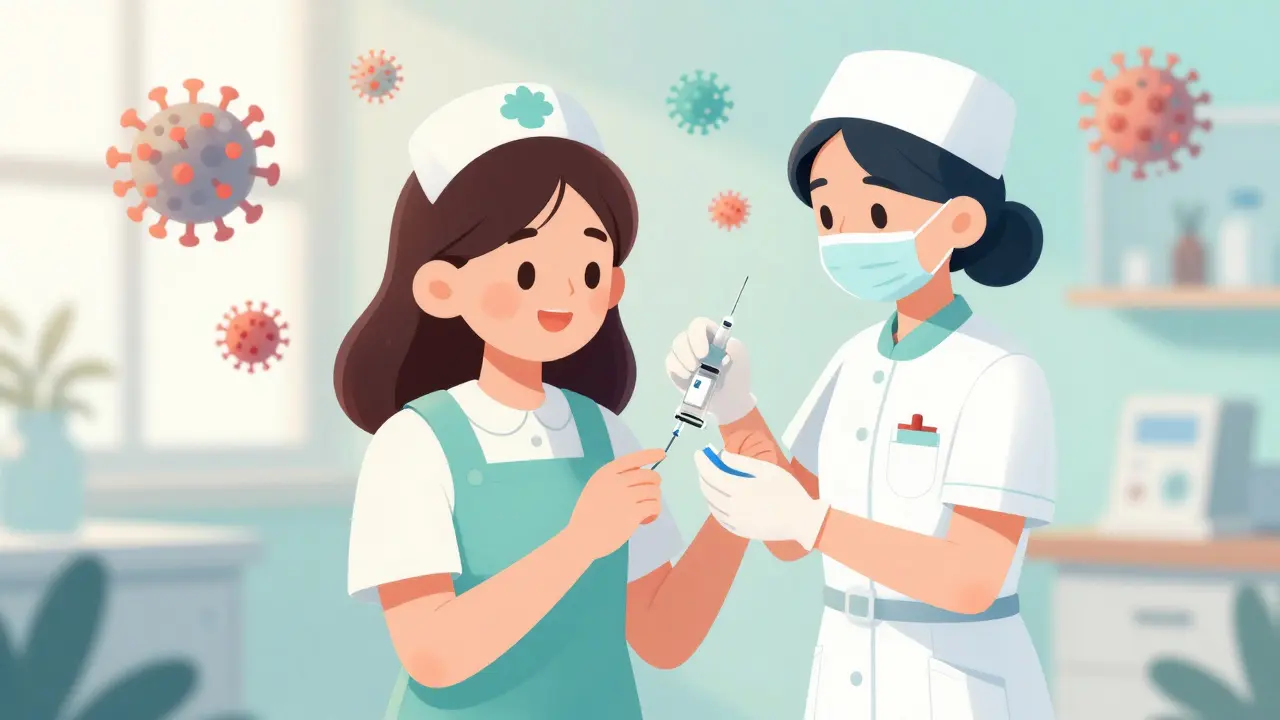
Every year, over 300,000 women die from cervical cancer worldwide. That’s more than 800 deaths every single day. But here’s the truth: cervical cancer is one of the few cancers we can actually prevent. Not just reduce-prevent. And it’s not because of magic. It’s because of two simple, proven tools: the HPV vaccine and regular Pap testing.
HPV Is the Cause-And We Can Stop It Before It Starts
Almost all cervical cancers are caused by the human papillomavirus, or HPV. It’s not some rare or scary virus. In fact, about 80% of sexually active people will get HPV at some point in their lives. Most of the time, the body clears it on its own. But some types stick around. Types 16 and 18 are the worst-they cause about 70% of all cervical cancers.
The HPV vaccine doesn’t treat HPV. It stops it before it ever gets in. The current vaccine used in the U.S. and Australia, called Gardasil-9, protects against nine strains of HPV, including the two most dangerous ones. Studies show it’s 97% effective at preventing the cell changes that lead to cervical cancer-if you get it before you’re exposed to the virus.
That’s why timing matters. The CDC and the American College of Obstetricians and Gynecologists both recommend routine vaccination at age 11 or 12. Why so young? Because the immune system responds better at that age, and it’s before most people become sexually active. A 2024 study in Scotland followed nearly 140,000 women who were vaccinated between ages 12 and 13. Result? Zero cases of invasive cervical cancer. Not one. That’s not luck. That’s science.
Vaccination Works-But Only If You Get It
Here’s the hard part: vaccination rates still lag. In Australia and the UK, over 90% of teenage girls are vaccinated. In the U.S., it’s just 60.4%. That gap costs lives. A 2021 study found that girls vaccinated before age 16 saw an 86% drop in cervical cancer. Those vaccinated between 17 and 19 still saw a 68% drop. But for women vaccinated after 20? The benefit shrinks. Why? Because they’re more likely to have already been exposed to HPV.
And it’s not just about girls. Boys get HPV too. They can pass it on. They can get throat and anal cancers from it. Vaccinating boys isn’t just protective-it’s necessary for herd immunity. Countries that vaccinate both genders are seeing faster declines in HPV-related cancers overall.
Good news: a single dose might be enough. New data from Kenya and Costa Rica shows a single shot of the HPV vaccine provides 97% protection against high-risk strains-even years later. This isn’t theory. It’s real-world evidence. The WHO now lists single-dose HPV vaccines as prequalified, and Gavi is spending over $1 billion to get them to low-income countries. This could change everything. No more three visits. No more missed doses. Just one shot, one chance, one life saved.
Pap Testing Isn’t Dead-It’s Evolving
Even if you got the vaccine, you still need screening. Why? Because the vaccine doesn’t cover every strain. And no vaccine is 100% effective. That’s where Pap testing comes in-but it’s not the same as it was 20 years ago.
For years, the Pap smear was the gold standard. A doctor scraped cells from the cervix and looked for abnormalities under a microscope. It worked. But it missed things. Now, we have something better: HPV testing.
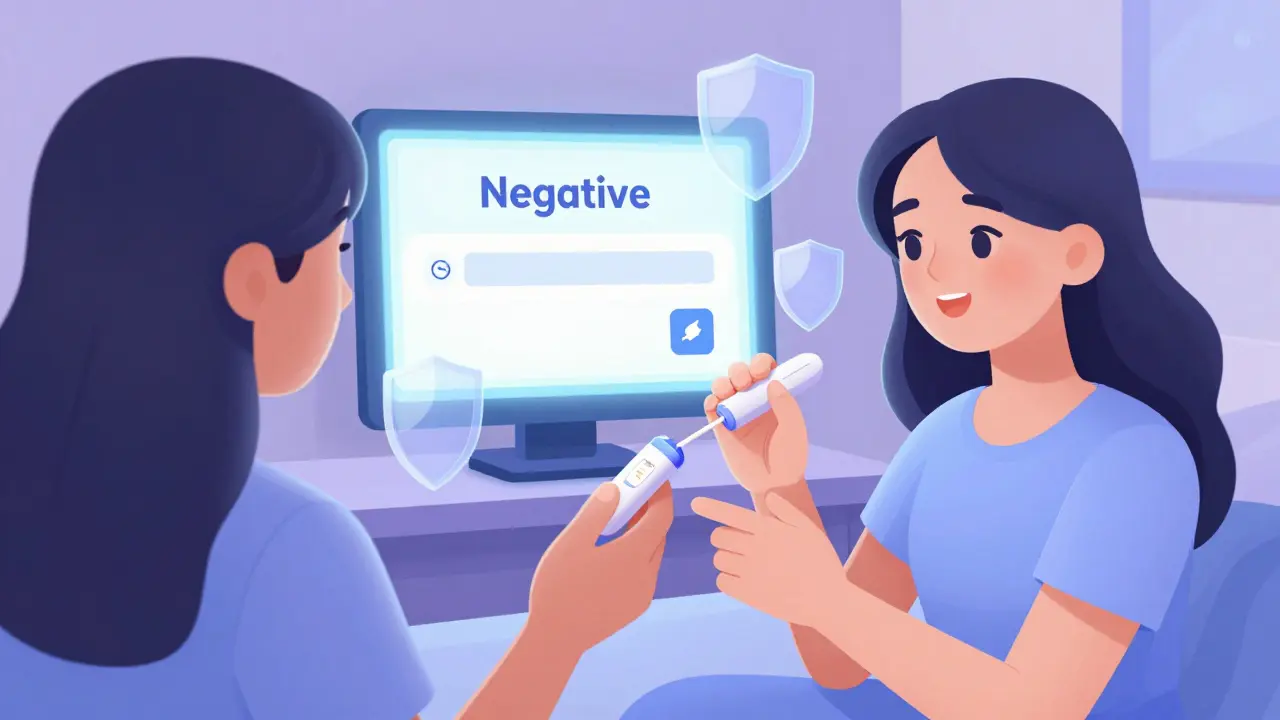
Since 2023, ACOG recommends HPV testing alone every five years for women aged 25 to 65. Why? Because it finds the virus before it causes damage. If your HPV test is negative, your risk of cervical cancer in the next five years is extremely low. You don’t need to come back every year. You don’t need the scrape. Just a simple swab, like a pregnancy test but for cancer risk.
And now, you can even do it yourself. In January 2024, the FDA approved the first at-home HPV self-sampling kit. You collect the sample in private, mail it in, and get results in days. Early data shows this could increase screening rates by 40%, especially in rural areas or for people who avoid clinics due to embarrassment, cost, or lack of access.
What If You’re Over 26?
Some people think the vaccine is only for teens. Not true. The CDC says adults aged 27 to 45 can still get the HPV vaccine-but it’s a personal decision. Talk to your doctor. If you’ve had few sexual partners and never been exposed to HPV, the vaccine can still help. But if you’ve had multiple partners or an abnormal Pap test in the past, the benefit is smaller. Still, it’s not zero. And if you’re unsure? Get tested first. If your HPV test is negative, the vaccine might still be worth it.
Screening After Vaccination: Same Rules, Better Results
Here’s a myth that needs to die: "If I got the vaccine, I don’t need Pap tests." No. You still do. But the rules are different.
- Start screening at age 21 with a Pap test-even if vaccinated.
- At age 25, switch to HPV testing every five years.
- If HPV is found, your doctor may do a Pap test too (co-testing) or a colposcopy.
- If both tests are normal, wait five years. No need for yearly visits.
Women who are vaccinated and follow this schedule have a cervical cancer risk lower than the risk of being struck by lightning. That’s not an exaggeration. That’s data from Scotland, Australia, and the U.S.
The Global Picture: Progress and Gaps
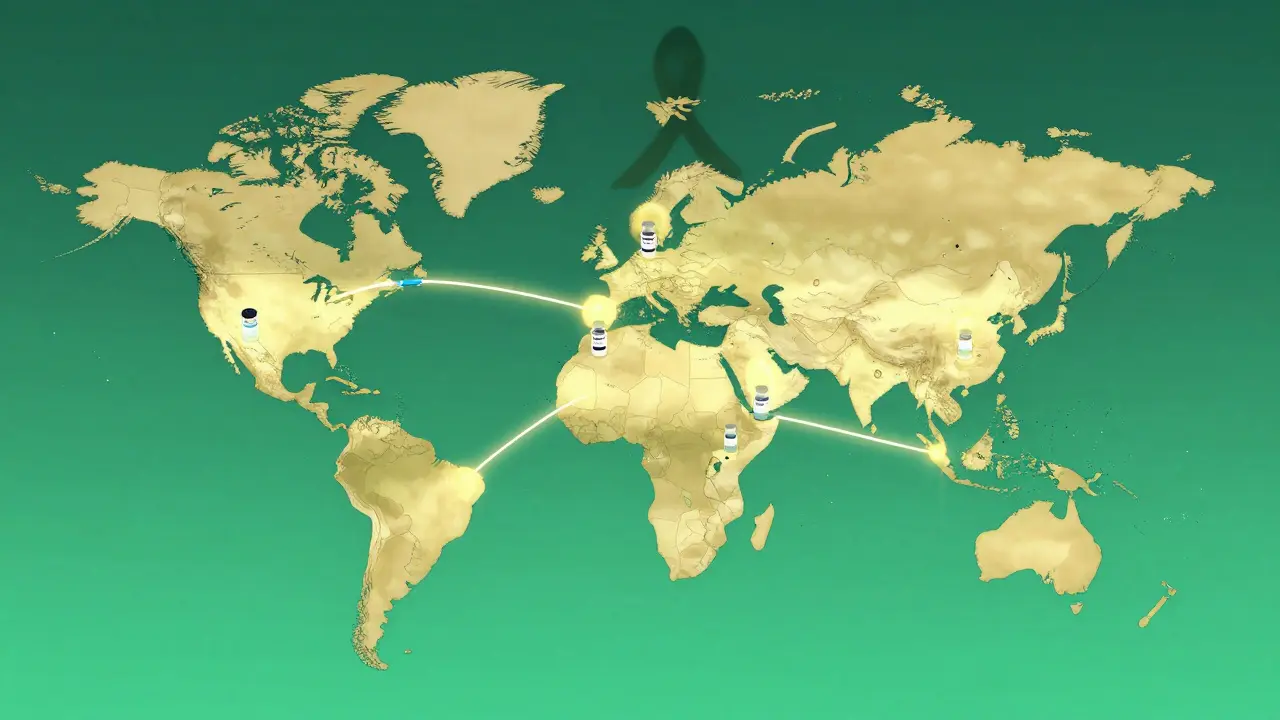
Here’s the real story: 85% of cervical cancer deaths happen in low- and middle-income countries. Why? No vaccine. No screening. No follow-up care. In places like sub-Saharan Africa, cervical cancer is the leading cause of cancer death in women. But change is coming.
Australia is on track to eliminate cervical cancer by 2028. Scotland is already seeing near-total prevention in vaccinated cohorts. The WHO’s goal is simple: 90% of girls vaccinated by 15, 70% of women screened by 35 and 45, and 90% of precancers treated. We’re not there yet. But we have the tools. We just need the will.
In the U.S., rural counties are seeing rising rates while cities drop. Why? No clinics. No transportation. No education. The same self-sampling kits that help in rural Australia can help in rural Texas. But they’re not being distributed. That’s not a medical problem. It’s a policy problem.
What You Can Do Right Now
If you’re a parent: Get your child vaccinated at 11 or 12. Don’t wait. Don’t overthink it. The science is clear. The vaccine is safe. Side effects? Mostly a sore arm. Serious reactions? Extremely rare.
If you’re 21 or older: Start screening. Don’t skip because you’re scared. Don’t skip because you think you’re fine. HPV doesn’t care if you feel healthy. It only cares if you’re not tested.
If you’re over 26: Talk to your doctor. Ask about HPV testing. Ask about the vaccine. It might still be worth it.
If you’re in a country with limited access: Push for single-dose programs. Support organizations bringing self-sampling kits to your community. Change starts with awareness.
Cervical cancer isn’t inevitable. It’s preventable. And we already know how to stop it. The question isn’t whether we can. The question is whether we will.



Laura Gabel on 16 March 2026, AT 15:04 PM
Vaccines are just a way for Big Pharma to make money. I don't need some shot to tell me how to live my life. My body, my choice.