Seasonal Depression: Causes, Treatments, and What You Can Do
When the days get shorter and the light fades, some people don’t just feel a little down—they enter a real, measurable state called seasonal depression, a type of depression that follows a seasonal pattern, usually starting in late fall and easing in spring. Also known as seasonal affective disorder, it’s not just being moody because of the weather. It’s a biological shift tied to how your brain responds to light, and it affects more people than most realize. Unlike regular depression, seasonal depression comes and goes with the calendar, often hitting hardest in places with long winters and limited sunlight.
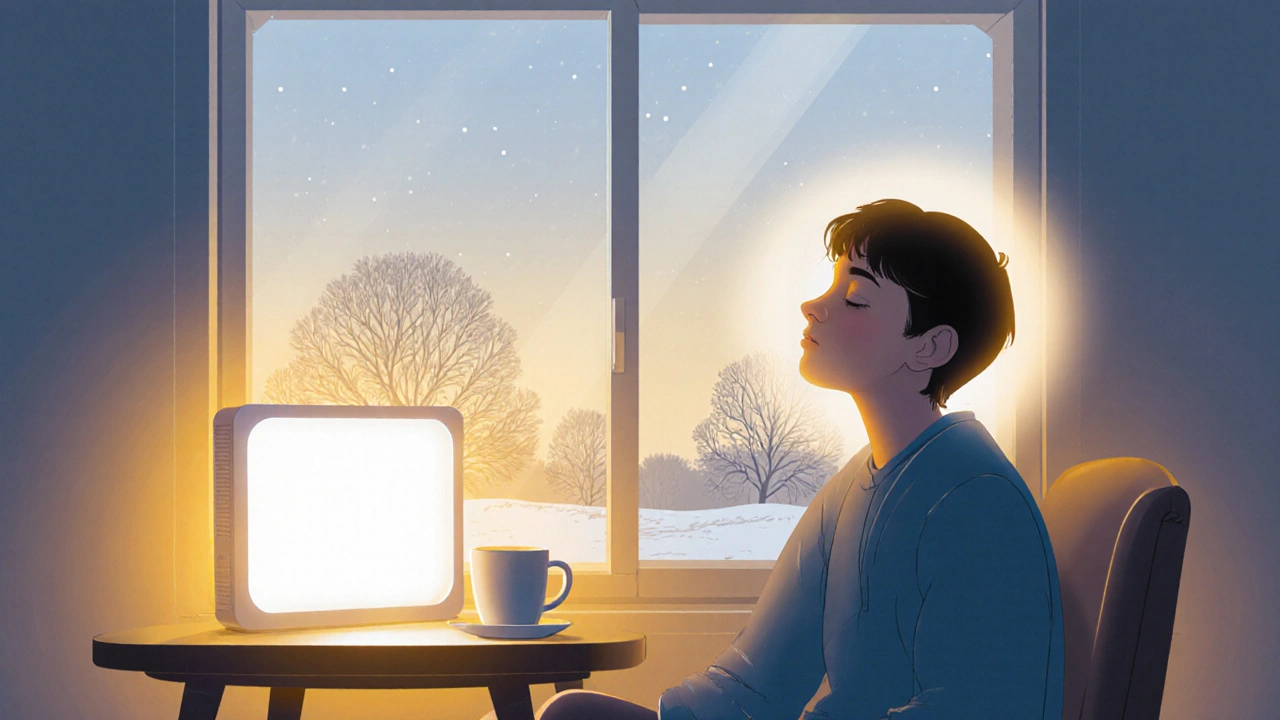
This condition doesn’t happen in a vacuum. It’s closely linked to light therapy, a treatment that uses bright artificial light to mimic natural sunlight and reset your body’s internal clock. Studies show that 60-80% of people with seasonal depression see real improvement within a few weeks of daily light exposure—usually 30 minutes in the morning. It’s not magic, but it’s science that works. At the same time, low levels of vitamin D, a nutrient your body makes when skin is exposed to sunlight often show up in people with seasonal depression. That’s not a coincidence. Less sun means less vitamin D, which can mess with serotonin and melatonin, two brain chemicals that control mood and sleep.
Some people turn to antidepressants, medications like SSRIs that help balance brain chemicals when light therapy isn’t enough. Others combine both. But it’s not just about pills or lamps. Small daily habits—getting outside during daylight, keeping a regular sleep schedule, moving your body—can make a big difference. The posts below cover real, practical details: how to choose the right light box, why some antidepressants work better for seasonal depression than others, what vitamin D levels actually mean for your mood, and how to avoid common mistakes people make when trying to manage this condition. You’ll find clear advice on what helps, what doesn’t, and how to talk to your doctor about options that fit your life—not just your diagnosis.
Learn how to prevent seasonal depression using proven methods: morning light therapy, vitamin D supplementation, and daily routine. Science-backed tips to beat winter blues before they start.