UVA UVB Protection: What You Need to Know About Sun Damage and Skin Safety
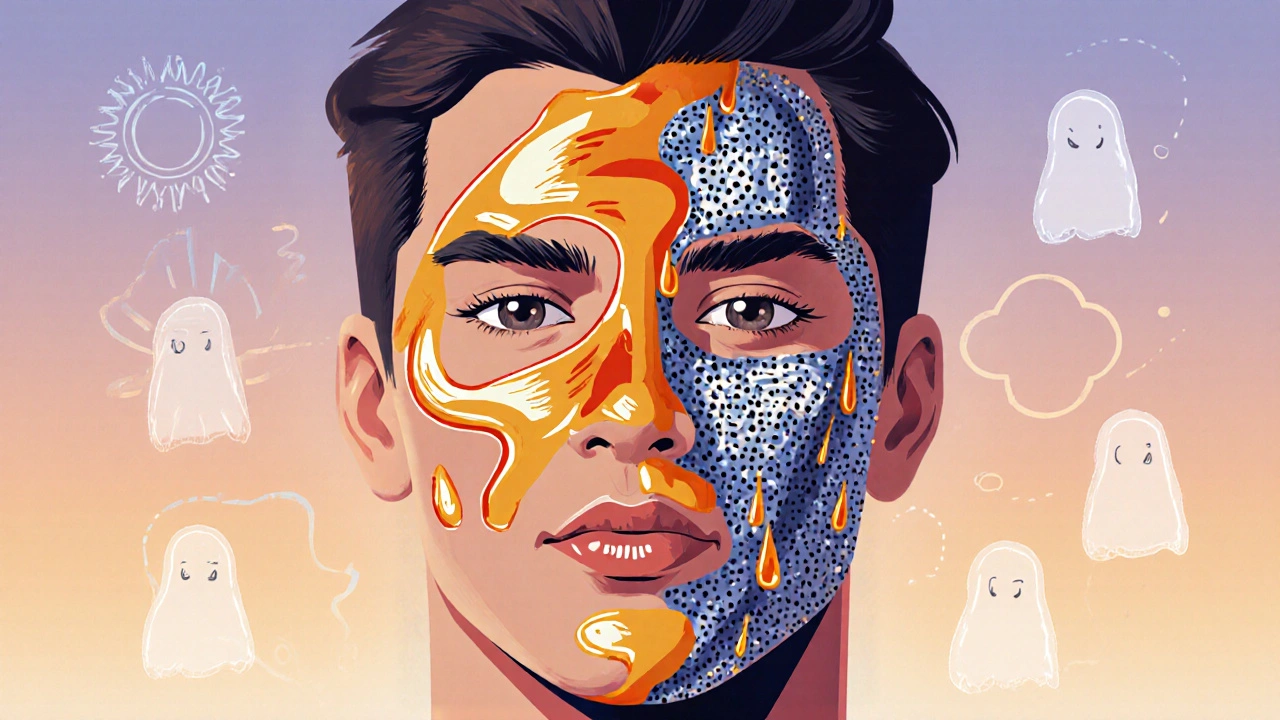
When we talk about UVA UVB protection, the defense against two types of ultraviolet radiation that penetrate the skin and cause damage over time. Also known as sun protection, it's not just about avoiding sunburn—it's about stopping hidden damage that leads to premature aging and skin cancer. UVA rays go deep into the skin, breaking down collagen and causing wrinkles. UVB rays sit on the surface, burning the skin and directly damaging DNA. Together, they’re the main reason why skin cancer rates keep rising—even in people who never got a bad sunburn.
Most people think sunscreen is the whole story. But sunscreen ingredients, the chemicals and minerals that block or absorb UV rays. Also known as UV filters, they only work if applied correctly—and most people use too little or forget to reapply. Zinc oxide and titanium dioxide are physical blockers that sit on the skin and reflect UV light. Chemical filters like avobenzone and octocrylene absorb the rays, but they break down over time. That’s why broad-spectrum labels matter: they mean the product protects against both UVA and UVB. And no, SPF 100 doesn’t mean you can stay out twice as long. SPF 30 blocks 97% of UVB; SPF 50 blocks 98%. The difference is tiny. What’s not tiny? The risk of skipping reapplication every two hours—or after swimming, sweating, or towel-drying.
skin cancer prevention, the practice of reducing exposure to harmful UV radiation to lower the risk of developing melanoma and other skin cancers. Also known as sun safety, it’s not just for beach days. You need it walking the dog, driving, sitting by a window, or even on cloudy days. UVA rays pass through glass. That’s why people get more sun damage on their left side if they drive often. Hats, sunglasses, and UV-blocking clothing are just as important as lotion. And don’t forget your lips—lip cancer is real, and it’s often missed.
What you won’t find in most ads is that UV exposure adds up over decades. One bad blistering sunburn in childhood can double your melanoma risk later. That’s why protection isn’t optional—it’s a daily habit, like brushing your teeth. And it’s not just about looking younger. It’s about staying alive. The posts below show real cases where people ignored the signs, misunderstood sunscreen labels, or thought tanning was safe. They also cover what ingredients actually work, how to read labels without getting tricked, and why some "natural" sunscreens fail when you need them most.
Learn how SPF, UVA, and UVB really work to protect your skin every day. Discover the science behind sunscreen, what broad spectrum means, and how to choose the right formula for your skin.