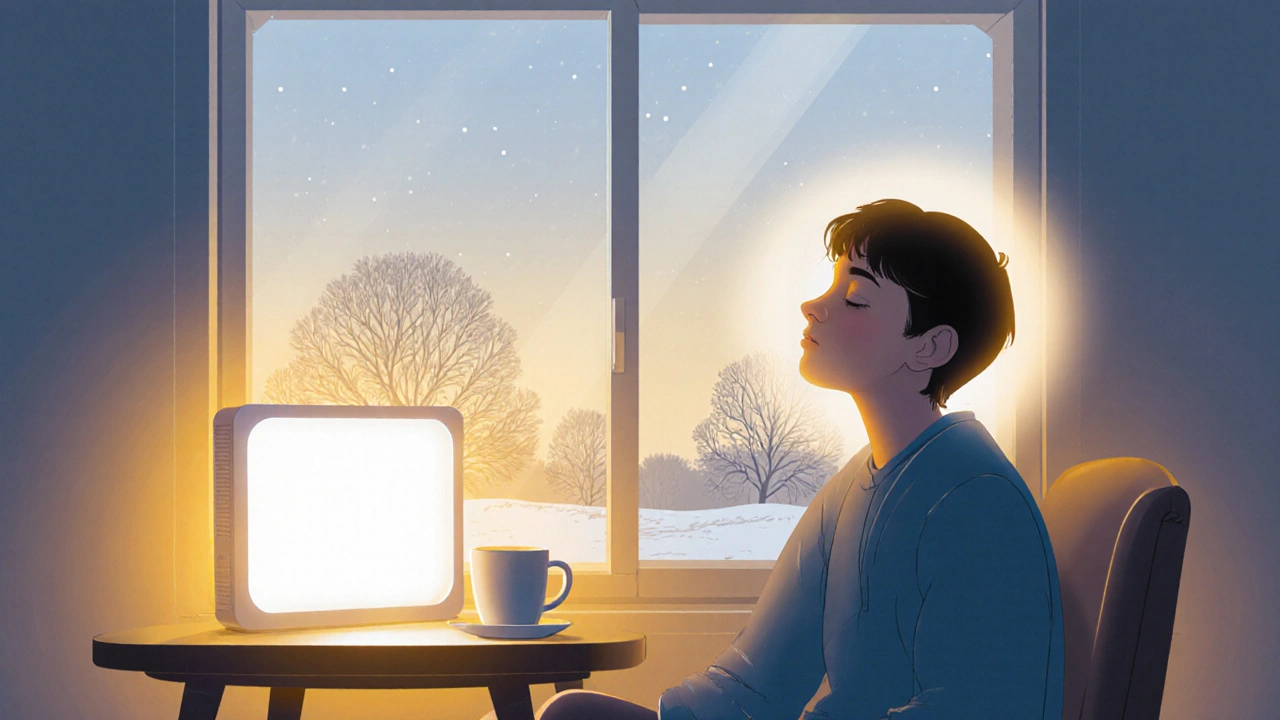
Winter Blues: Understanding Seasonal Mood Changes and What You Can Do
When the days get shorter and the sun hides behind clouds, many people feel a drop in energy, motivation, and mood. This isn't just being "a little down"—it's a common biological response called winter blues, a seasonal pattern of low mood linked to reduced sunlight exposure during colder months. Also known as seasonal affective disorder (SAD) in its more severe form, it affects how your brain makes serotonin and melatonin, two key chemicals that control sleep, mood, and energy. Unlike clinical depression, winter blues usually come and go with the seasons, often improving when spring arrives. But that doesn’t mean you should ignore it. Left unchecked, it can mess with your sleep, appetite, focus, and even your ability to stick to medications or healthy routines.
One major player in winter blues is vitamin D deficiency, a common issue in winter when sunlight exposure drops and your body can’t make enough of this hormone-like nutrient. Vitamin D doesn’t just help your bones—it plays a role in regulating mood and brain function. Studies show that people with low vitamin D levels are more likely to report feeling down during winter months. Another key factor is light therapy, a non-drug treatment that uses artificial light to mimic natural sunlight and reset your internal clock. Bright light therapy has been shown in multiple trials to improve symptoms faster than placebo, often within days. It’s not magic, but it’s one of the few proven, low-risk tools you can use at home.
What’s interesting is how closely winter blues connect to other health behaviors. If you’re already managing a chronic condition—like high blood pressure, diabetes, or even psoriasis—you might notice your symptoms feel worse in winter. That’s not coincidence. Lower mood can make it harder to stick to medication schedules, eat well, or get moving. And if you’re taking medications that affect your sleep or energy—like some antihistamines or antidepressants—you might be more sensitive to the seasonal shift. Even something as simple as sunscreen use matters: if you’re avoiding the sun to protect your skin, you might be cutting off your main source of vitamin D without realizing it.
There’s no single fix, but the good news is that small, consistent actions make a big difference. Getting outside for even 20 minutes in daylight—even on cloudy days—can help. Moving your body, even with a short walk, boosts serotonin. Keeping a regular sleep schedule keeps your circadian rhythm stable. And if you’re taking supplements or medications, timing matters: some studies suggest taking vitamin D with your largest meal improves absorption. You don’t need a clinical diagnosis to start making changes that help.
Below, you’ll find practical guides on how medications, sunlight, and daily habits interact during winter. From understanding why some drugs make you feel more tired in December to how to safely use light therapy without overspending, these posts give you real tools—not just theory. Whether you’re managing a health condition, juggling prescriptions, or just trying to get through the dark months with your energy intact, there’s something here that can help.
Learn how to prevent seasonal depression using proven methods: morning light therapy, vitamin D supplementation, and daily routine. Science-backed tips to beat winter blues before they start.