
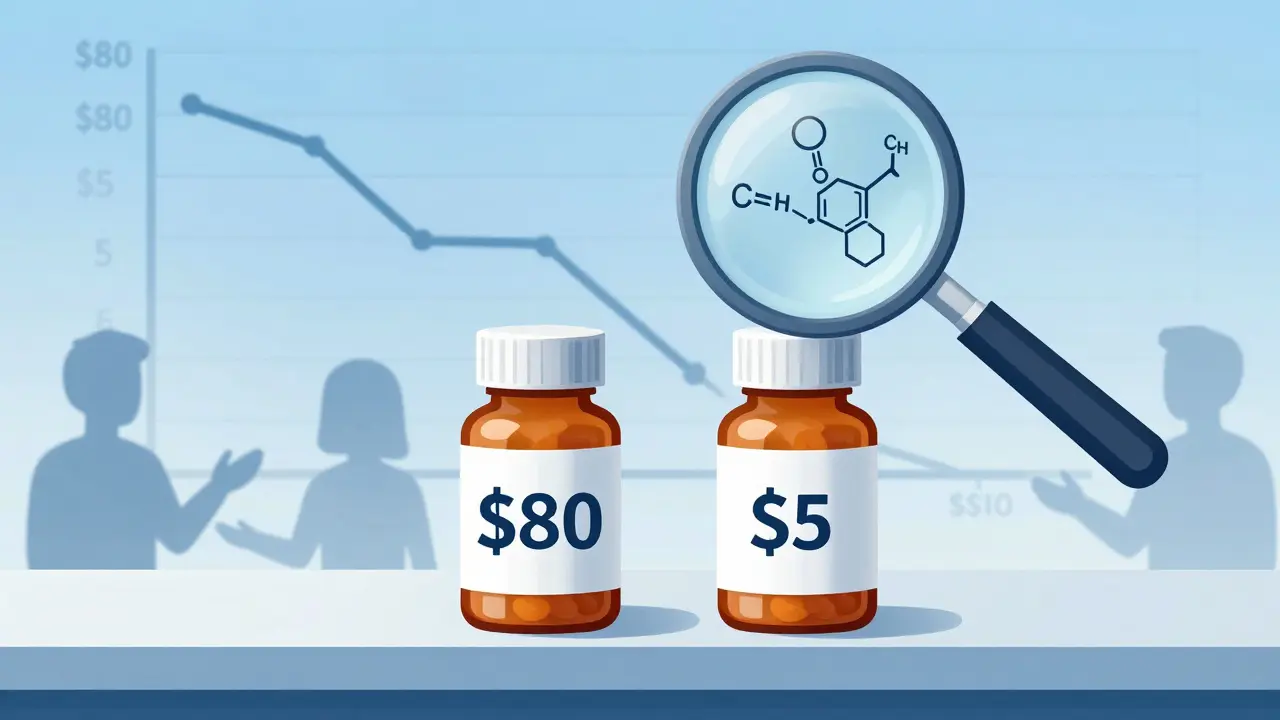
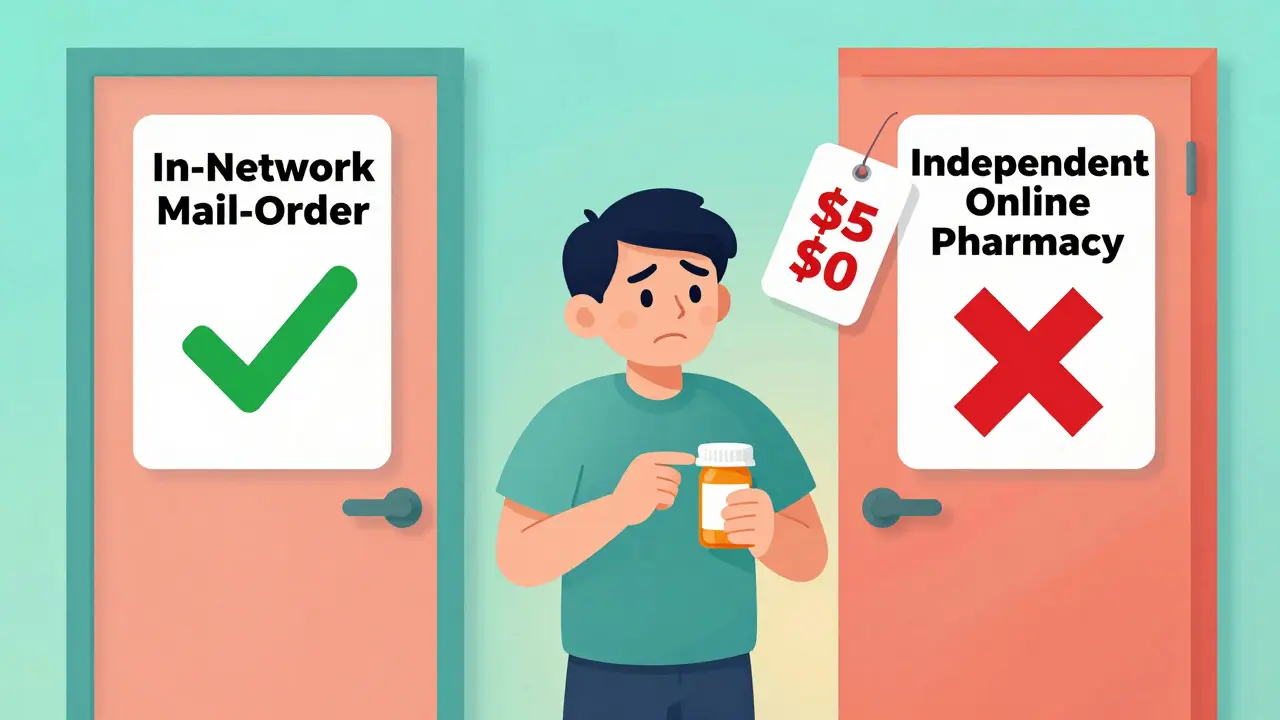
When you pick up a prescription at the pharmacy, you might not think about why one version of a drug costs $5 and another costs $80-even if they do the exact same thing. That difference isn’t random. It’s the result of a hidden economic battle between patents, competition, and how healthcare systems decide what’s worth paying for. Cost-effectiveness analysis is the tool that cuts through the noise and asks: Is this drug giving us enough health for the money we’re spending?
Why generics aren’t just cheaper-they’re smarter
Generic drugs aren’t knockoffs. They’re identical in active ingredients, dosage, safety, and effectiveness to their brand-name counterparts. The FDA requires them to meet the same strict standards. So why does one generic version cost 20 times more than another? The answer lies in how we measure value, not just price.A 2022 study in JAMA Network Open looked at the top 1,000 most-prescribed generic drugs in the U.S. and found something shocking: 45 of them had cheaper alternatives in the same therapeutic class. These high-cost generics were, on average, 15.6 times more expensive than their lower-cost equivalents. When researchers swapped out those expensive generics for the cheaper ones, total spending dropped from $7.5 million to just $873,711. That’s an 88% reduction in cost-with zero loss in patient outcomes.
This isn’t about cutting corners. It’s about recognizing that not all generics are created equal. Some manufacturers charge far more than the cost of production. Others compete fiercely, driving prices down. The difference? It’s often not quality-it’s market structure.
How cost-effectiveness analysis works
Cost-effectiveness analysis (CEA) doesn’t just look at price tags. It measures what you get for your money in real health terms. The most common metric is the quality-adjusted life year (QALY). One QALY equals one year of perfect health. If a drug extends life by two years but the patient spends half that time in pain or disability, it might only count as 1.5 QALYs.CEA compares two options: say, a brand-name drug versus a generic. It calculates the incremental cost-effectiveness ratio (ICER)-the extra cost per extra QALY gained. If Drug A costs $10,000 and gives 1.2 QALYs, and Drug B costs $2,000 and gives the same 1.2 QALYs, the ICER is $0. Drug B is clearly better. No extra cost, same benefit.
But here’s where it gets messy. Most published studies ignore what happens next. When a drug’s patent expires, prices don’t just drop-they collapse. The FDA found that the first generic competitor slashes prices by 39%. With six or more generics on the market, prices fall more than 95% below the original brand price. Yet, 94% of published CEA studies don’t even try to predict this. They assume prices stay static. That’s like building a budget based on last year’s gas prices and ignoring the fact that oil just crashed.
The hidden players: PBMs and spread pricing
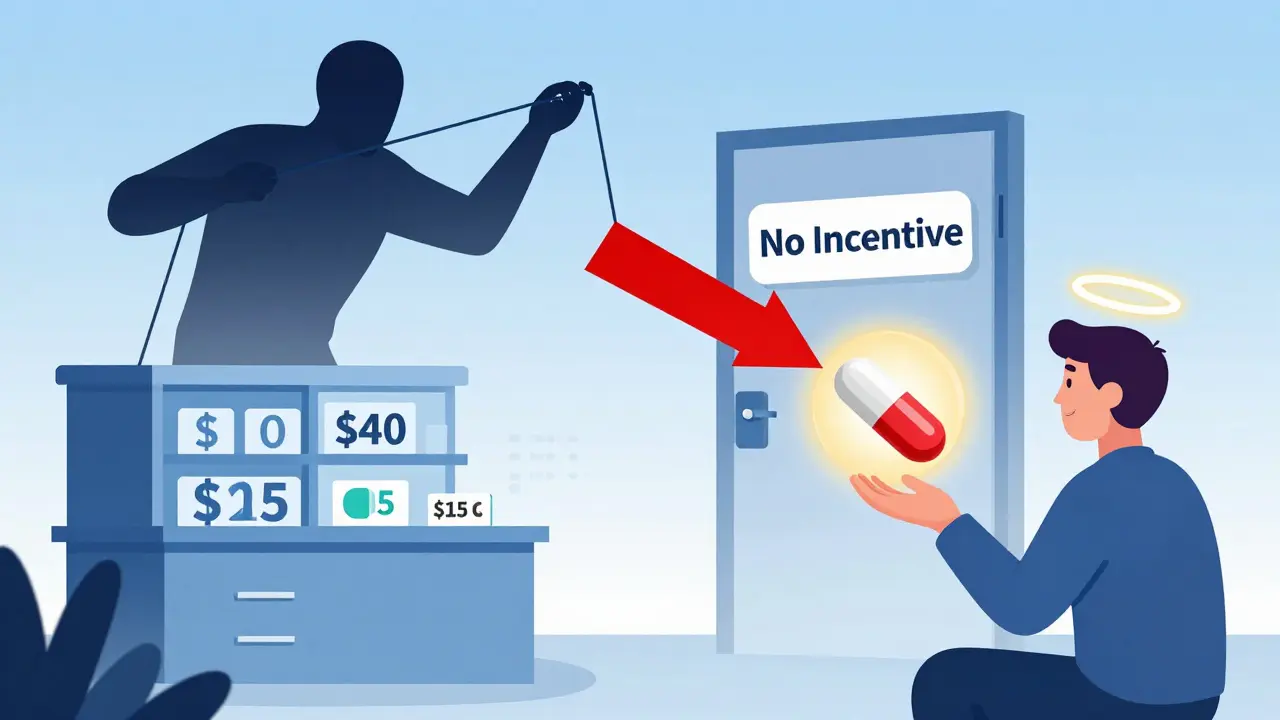
Why do expensive generics stay on insurance formularies when cheaper ones exist? The answer isn’t medical-it’s financial. Pharmacy Benefit Managers (PBMs), who negotiate drug prices for insurers, often profit from something called spread pricing. They negotiate a price with the pharmacy (say, $40), then pay the insurer a lower price (say, $25). The $15 difference? That’s their cut.Here’s the twist: if a cheaper generic costs $15, the PBM might not want it. Why? Because the spread shrinks to $0. So even if the drug is clinically identical and costs less, the PBM has no incentive to push it. The system rewards high prices, not savings. This isn’t a flaw-it’s a feature of how the current model works.
That’s why CEA must go beyond clinical data. To be useful, it must include real-world pricing behavior, PBM contracts, and how formulary decisions are actually made-not just what they should be.
Patent cliffs and timing matter
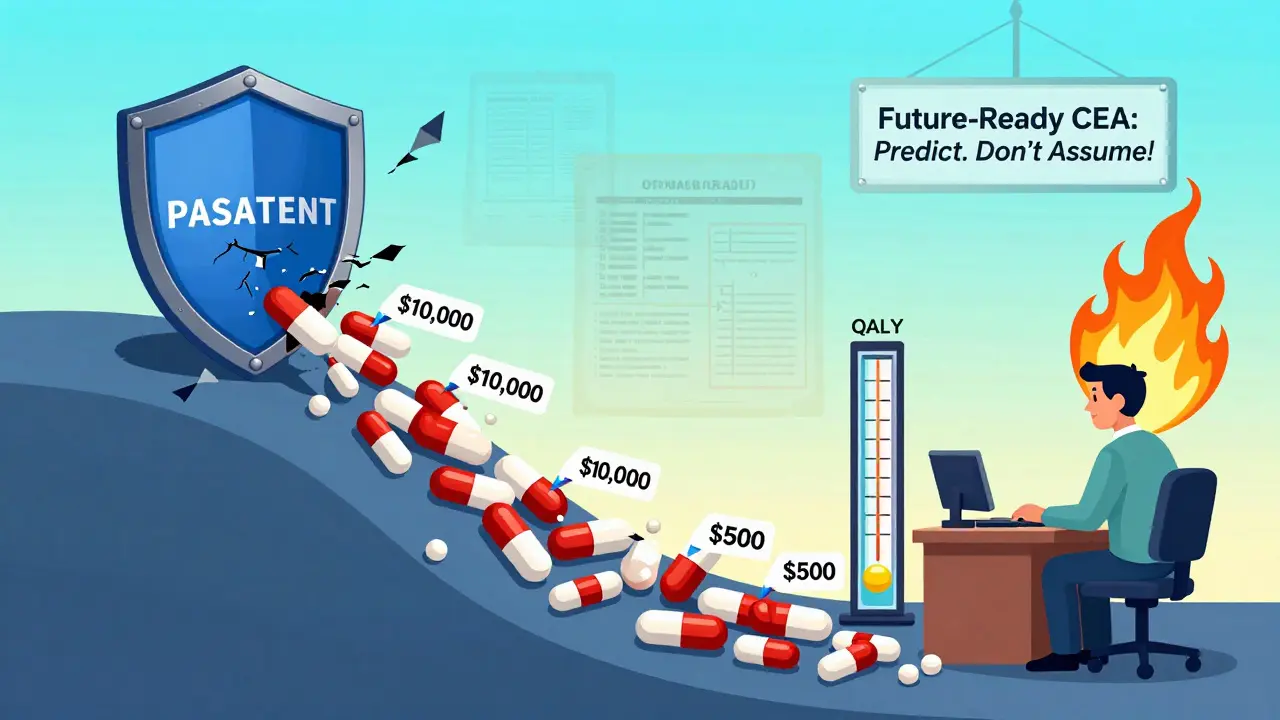
A 2023 report from the NIH warned that failing to account for patent expiration creates pricing anomalies that distort decision-making. Imagine a CEA that says a new brand-name drug is cost-effective because it costs $10,000 per year. But the patent expires in 18 months. Once generics arrive, the same drug might cost $500. If the analysis doesn’t factor that in, it might wrongly reject the brand drug as too expensive-even though it’s only a temporary cost.On the flip side, if analysts assume generics will hit the market tomorrow, they might undervalue a brand drug that’s still the only option. That’s why the NIH now recommends that CEA models for drugs nearing patent expiration include expected price drop timelines. This isn’t guesswork-it’s based on historical data. Drugs with two generic competitors see prices drop 54%. With four, it’s 79%. These aren’t averages-they’re predictable patterns.
Therapeutic substitution: the overlooked opportunity
You don’t always have to switch to the same drug to save money. Sometimes, switching to a different drug in the same class is even smarter. The JAMA study found that when patients were switched from a high-cost generic to a lower-cost drug in the same therapeutic class, prices dropped by 20.6 times. For example, switching from one statin to another with the same effect saved money without sacrificing outcomes.But many formularies don’t allow this. They’re built around “therapeutic equivalence” lists that only allow substitution between identical drugs. That’s outdated. Clinical equivalence is what matters-not chemical identity. A 2023 review in Health Affairs found that 68% of high-cost generics had clinically equivalent alternatives that were significantly cheaper. Yet, only 12% of U.S. payers actively encourage this kind of substitution.
Europe, by contrast, has been doing this for years. Over 90% of major health technology assessment agencies there use CEA to guide coverage decisions. The U.S. lags behind-only 35% of commercial insurers use formal CEA at all. That’s not because American doctors don’t care. It’s because the system is broken.
What’s changing-and what’s next
The Inflation Reduction Act of 2022 forced Medicare to negotiate drug prices for the first time. That’s a big shift. It’s also creating pressure on PBMs and insurers to rethink how they handle generics. More states are passing laws to ban spread pricing. The VA and Medicare Part D now use Federal Supply Schedule (FSS) pricing, which is transparent and low.Meanwhile, over 300 small-molecule drugs will lose patent protection between 2020 and 2025. That’s a flood of generics coming. The healthcare system has two choices: keep paying inflated prices because of outdated formularies, or update how we assess value.
The future of cost-effectiveness analysis isn’t just about today’s prices. It’s about predicting tomorrow’s. Analysts now need to understand patent law, market dynamics, and how PBM contracts affect pricing-not just clinical trials. That’s why training for health economists now includes modules on drug patent cliffs and generic market entry timelines.
What patients and providers can do
You don’t need to be an economist to use this knowledge. If your prescription is expensive, ask:- Is there a cheaper generic in the same class?
- Is there a lower-cost version of this exact drug from a different manufacturer?
- Has this drug lost its patent? If so, why is it still priced like a brand?
Pharmacists are often the best source of this info. Many have access to pricing databases that show real-time cost differences between generics. Don’t assume your insurance formulary is optimized for savings. Ask for a cost comparison. You might be surprised how much you can save.
And if you’re a clinician or policymaker? Push for CEA models that include future generic entry. Demand transparency from PBMs. Support policies that ban spread pricing. The data is clear: we’re wasting billions on overpriced generics that do nothing better than cheaper ones.
Final thought
Generic drugs saved the U.S. healthcare system $1.7 trillion between 2007 and 2017. That’s huge. But we’re leaving billions more on the table by not using the tools we already have. Cost-effectiveness analysis isn’t about cutting care. It’s about making sure every dollar spent delivers the most health possible. When you realize that a $80 generic and a $5 generic are the same drug, the choice isn’t hard. The system just needs to catch up.What is cost-effectiveness analysis in the context of generic drugs?
Cost-effectiveness analysis (CEA) for generic drugs compares the cost of a drug to the health benefits it provides, typically measured in quality-adjusted life years (QALYs). It helps determine whether switching from a brand-name drug to a generic-or choosing one generic over another-delivers better value. For example, if two generics provide identical clinical outcomes but one costs 20 times less, CEA shows the cheaper option is clearly more cost-effective.
Why are some generic drugs so much more expensive than others?
Price differences between generics aren’t due to quality-they’re driven by market competition and business practices. When few manufacturers make a drug, prices stay high. Pharmacy Benefit Managers (PBMs) may also favor higher-priced generics because they profit from the spread between what they pay pharmacies and what insurers pay. This creates a financial incentive to keep expensive generics on formularies, even when cheaper alternatives exist.
How do patent expirations affect cost-effectiveness analysis?
Patent expiration triggers massive price drops-often over 95%-when multiple generics enter the market. But most cost-effectiveness studies ignore this. If a CEA assumes a drug will stay expensive for years, it might wrongly reject a brand-name drug as too costly, even though its price will soon plummet. Accurate CEA must forecast when generics will enter and how prices will fall based on historical patterns.
Can switching to a different drug in the same class save money?
Yes, and often dramatically. A 2022 study found that switching from a high-cost generic to a lower-cost drug in the same therapeutic class saved up to 88% in spending. For example, switching from one statin to another with the same effect can reduce costs by 20 times. But many formularies restrict substitution to identical drugs only, missing this opportunity.
Why don’t all U.S. insurers use cost-effectiveness analysis?
Only 35% of U.S. commercial insurers use formal CEA in coverage decisions, compared to over 90% in Europe. This gap exists because CEA requires expertise in health economics, patent law, and market dynamics. Many insurers rely on outdated formularies or are influenced by PBM contracts that prioritize profit over savings. Regulatory pressure from Medicare and state laws is slowly changing this.


Milad Jawabra on 4 March 2026, AT 17:01 PM
Bro. I work in pharmacy and this is REAL. Saw a guy get charged $84 for metformin while the same pill from a different maker was $3.50. He had insurance. No one told him. The pharmacist? They didn’t care - PBM told them to push the expensive one. I called my manager. Got told to mind my business. 😤
Generic doesn’t mean cheap. It means *identical*. But the system rewards greed, not patients. We’re not saving lives here - we’re saving corporate margins. And it’s sick.
Just last week, a diabetic came in crying because her copay went up. She didn’t know the cheaper generic existed. I printed her a comparison sheet. She cried harder - but this time from relief. $120 to $18/month. That’s not healthcare. That’s extortion with a prescription pad.
Stop calling it ‘cost-effectiveness.’ Call it what it is: systemic theft disguised as economics. We have the data. We have the tools. We have the moral obligation. But no one in power gives a damn. 🤬
And yeah, I’m angry. You should be too.