
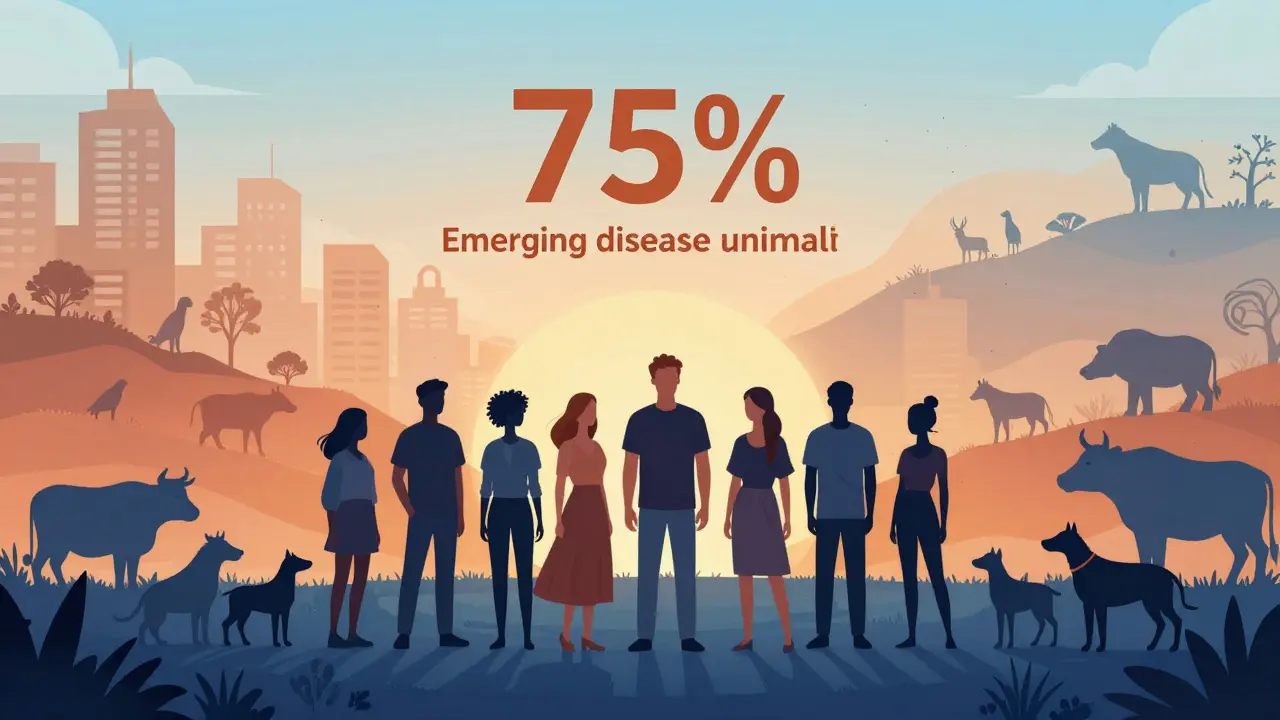
You might think dangerous viruses mostly spread between people, but the numbers tell a different story. About three out of four emerging infectious diseases actually originate from animals. This connection isn't new; scientists traced the first recognized zoonotic case back to Louis Pasteur's work on rabies a viral infection affecting the nervous system in 1885. Today, the World Health Organization states that roughly 60 percent of all known infectious diseases in humans are zoonotic. Understanding this link is vital because avoiding these illnesses often starts long before you visit a doctor. It begins with how we interact with our pets, our livestock, and even the wildlife in our backyards.
Key Takeaways
- Zoonotic diseases zoonoses spread between vertebrate animals and humans.
- Transmission happens via direct contact, vectors like ticks, contaminated food, or water sources.
- Simple hygiene steps, such as washing hands for 20 seconds, can reduce pathogen transfer significantly.
- The One Health approach integrates human, animal, and environmental surveillance for better detection.
- Rabies remains nearly 100 percent fatal without immediate medical intervention post-exposure.
Understanding the Threat Behind Zoonoses
When experts talk about zoonotic diseases, they aren’t referring to just one virus. Instead, they cover a vast group of illnesses caused by pathogens living in animals. These pathogens include viruses, bacteria, parasites, and fungi. You likely encounter the term “zoonosis” in news headlines about flu outbreaks or exotic infections, but common household issues often fall here too. For instance, a cat bringing in fleas or a child playing with a family dog introduces biological risks into the home environment.
The scale of this issue is massive. Data from the Centers for Disease Control and Prevention indicates that approximately 75 percent of all emerging infectious diseases originate from animals. This high percentage means that as we encroach on wild habitats or bring more wildlife into trade markets, the likelihood of cross-species jumping increases. Dr. Peter Daszak from EcoHealth Alliance notes that land-use changes alone account for 31 percent of emerging zoonotic events. If you live near farming areas or recent subdivisions built on forest land, your exposure risk shifts subtly compared to urban dwellers.
Common Pathogens and How They Spread
Different pathogens require different routes to move from an animal host to a human body. Knowing the mechanism helps you spot the danger before it takes hold. Bacteria like Salmonella a bacterium causing gastrointestinal illness often travel through food chains, while viruses might hide in saliva or blood.
| Route Type | How It Happens | Common Examples |
|---|---|---|
| Direct Contact | Touching, biting, or handling animal waste | Rabies, Cat Scratch Disease |
| Vector-Borne | Bites from infected insects (ticks, mosquitoes) | Lyme Disease, Malaria |
| Foodborne | Eating undercooked meat or unpasteurized dairy | Salmonellosis, Brucellosis |
| Waterborne | Swimming in or drinking contaminated water | Giardiasis, Leptospirosis |
Consider the difference between direct and vector-borne transmission. Direct contact means you handle a sick animal or something it touched. Vector-borne transmission involves an intermediary like a tick. Lyme disease, caused by the bacterium Borrelia burgdorferi, relies entirely on deer ticks to reach you. Even though deer carry the bacteria, they aren’t contagious to humans directly; the tick is the bridge. Misidentifying the source leads to gaps in prevention. You might think wearing shoes prevents Lyme disease, but the real fix is checking your legs after walking through tall grass.

Real-World Scenarios and Risks
Many people underestimate their daily exposure until symptoms appear. Think about a backyard chicken keeper. The joy of fresh eggs comes with the reality of handling poultry feces, which harbors Salmonella. A report from the Wisconsin Department of Health Services detailed a family of four who contracted salmonellosis from pet turtles. Symptom onset occurred within 12 to 72 hours, with temperatures hitting 103 degrees Fahrenheit. While adults recovered, the youngest child needed hospitalization for dehydration.
Outdoor enthusiasts face similar threats. Veterinarians have documented hunters contracting tularemia after handling rabbits found dead in fields. Symptoms include high fevers and swollen lymph nodes, requiring weeks of antibiotic treatment. In Perth, where you might see kangaroos or wallabies occasionally wandering into suburbs, understanding local wildlife habits matters. While Australian wildlife carries unique flora and fauna, the principles remain consistent globally. Always assume wild animals carry something potentially harmful. This mindset shifts your behavior from casual observation to cautious respect.
Prevention Strategies That Work
Most zoonotic transmissions are preventable with basic hygiene and awareness. It sounds simple, but compliance drops when knowledge is vague. Washing hands for 20 seconds reduces pathogen transmission by 90 percent according to CDC handwashing studies. Make this non-negotiable after petting animals, changing litter boxes, or gardening. Wearing gloves during soil work cuts direct contact risks, especially regarding parasites like Toxoplasma gondii found in cat feces.
- Keep Pets Healthy: Regular vaccinations and deworming protect both the animal and you. Rabies vaccines are critical because once symptoms appear, the fatality rate is nearly 100 percent.
- Secure Food Safety: Cook poultry to at least 165 degrees Fahrenheit. Cross-contamination in the kitchen spreads bacteria faster than external environments.
- Manage Vectors: Clear standing water around your property to stop mosquito breeding sites. Use EPA-approved repellents when hiking in wooded areas.
- Avoid Wildlife Contact: Never feed stray animals or handle injured wildlife without protection. Dead animals should never be touched by bare skin.
For agricultural workers, the risk profile spikes. Statistics show veterinarians have eight times higher exposure risk compared to the general population. Occupational safety gear isn’t just for construction; it applies here too. Face masks prevent aerosolized bacteria inhalation from livestock barns. The cost of personal protective equipment is far lower than treating an outbreak of Q-fever or Brucellosis.

The Role of One Health Initiatives
Solving zoonotic threats requires more than individual action. The One Health initiative an interdisciplinary approach recognizing interconnection of human, animal, and environmental health bridges gaps between medical doctors, veterinarians, and environmental scientists. Before this framework, sectors worked in silos. A vet saw a dog die of unknown causes, but human doctors remained unaware until human cases popped up in hospitals.
Integrated systems catch outbreaks earlier. During the Ebola outbreak in West Africa (2014-2016), delays in connecting animal deaths to human clusters contributed to over 11,000 deaths. Surveillance now focuses on monitoring animal populations as early warning systems. Countries with functional coordination mechanisms have seen a 37 percent reduction in outbreaks. Currently, funding targets 100 countries by 2026 to strengthen these networks. As a citizen, supporting policies that fund veterinary public health supports your own community safety.
Frequently Asked Questions
Can my house cat give me a serious zoonotic disease?
Yes, cats can transmit diseases like Cat Scratch Disease via scratches or bites, or toxoplasmosis through contact with litter boxes. Pregnant women should avoid cleaning litter boxes due to the risk of congenital defects. Washing hands immediately after pet interaction reduces these risks significantly.
What are the early symptoms of a zoonotic infection?
Symptoms vary widely but commonly include fever, fatigue, muscle pain, and rash. Specific signs depend on the pathogen; for example, ringworm appears as a circular skin lesion, while rabies manifests in confusion and difficulty swallowing later stages.
Is eating pet food safe for humans?
No, pet food is processed differently and may contain harmful levels of Salmonella or other bacteria intended for digestion by animals, not humans. Contamination occurs frequently in manufacturing plants shared with livestock feeds.
Do vaccinated animals still pose a risk?
Vaccines significantly reduce risk for specific diseases like Rabies or Parvo, but they do not protect against all zoonotic pathogens like ringworm or fleas. Routine veterinary check-ups are necessary alongside core vaccines.
How does climate change affect zoonotic disease spread?
Rising temperatures expand the habitat range for vectors like ticks and mosquitoes. Studies forecast a 45 percent increase in areas suitable for Lyme disease transmission in North America by 2050, making prevention harder in previously safe zones.




Tony Yorke on 29 March 2026, AT 06:15 AM
cool info thanks for sharing