
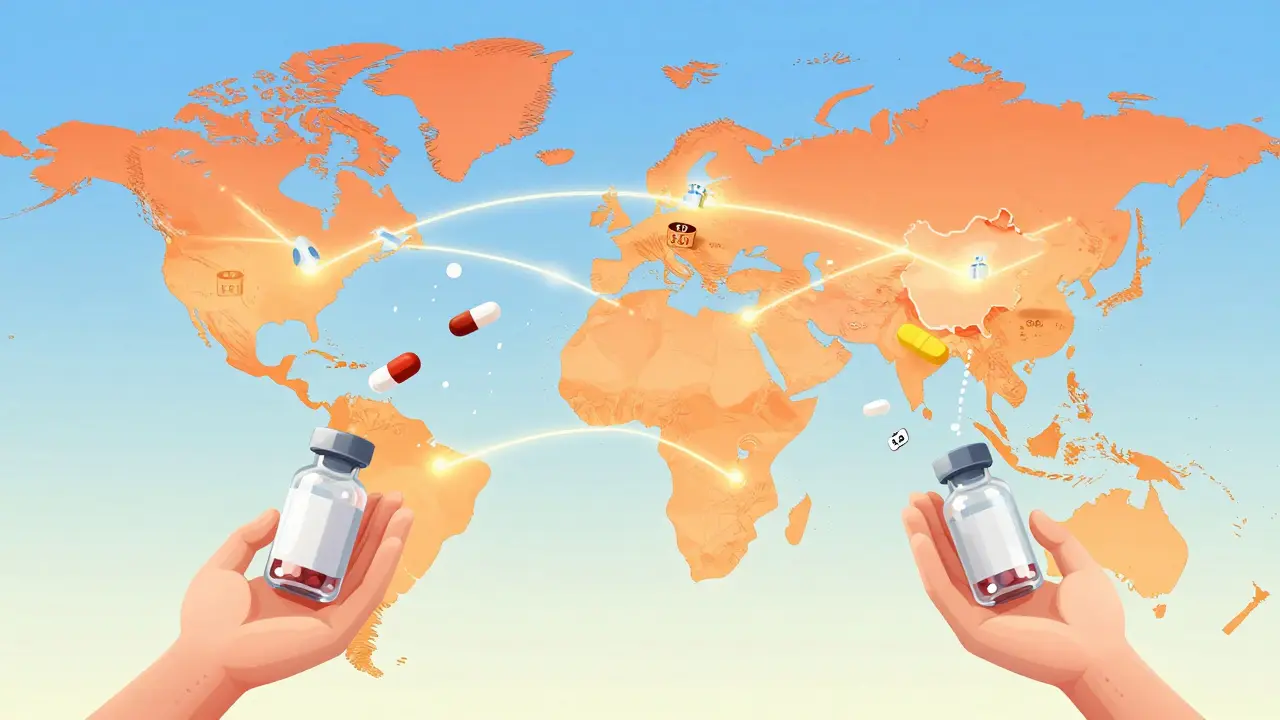
The global generic drugs market is entering a period of unprecedented transformation. By 2030, it could be worth anywhere from $530 billion to over $900 billion, depending on how patent cliffs, regulatory shifts, and manufacturing innovations play out. This isn’t just about cheaper pills-it’s about reshaping how entire healthcare systems survive under financial pressure. With millions of people relying on these medications every day, the economic forces behind generic drugs will determine who gets treated, how much it costs, and who profits.
Why Generic Drugs Are Becoming Essential
Generic drugs aren’t knockoffs. They’re exact copies of brand-name medications, approved by regulators to have the same active ingredients, dosage, safety, and effectiveness. The difference? Price. A generic version of a drug can cost 80-95% less than the original. In the U.S., a 30-day supply of metformin for diabetes might cost $4 as a generic, while the branded version could run over $100. That gap is why governments, insurers, and patients are pushing harder than ever for generics.The catalyst? Patent expirations. Between 2025 and 2030, drugs that brought in over $200 billion in annual sales will lose their exclusive rights. Think of blockbuster drugs like Humira, Enbrel, and newer ones like Ozempic and Mounjaro. Once their patents expire, dozens of manufacturers will rush to produce equivalents. This isn’t theoretical-it’s already happening. In 2024 alone, over 1,200 new generic approvals were issued by the U.S. FDA, the highest number in a decade.
The Biosimilar Surge
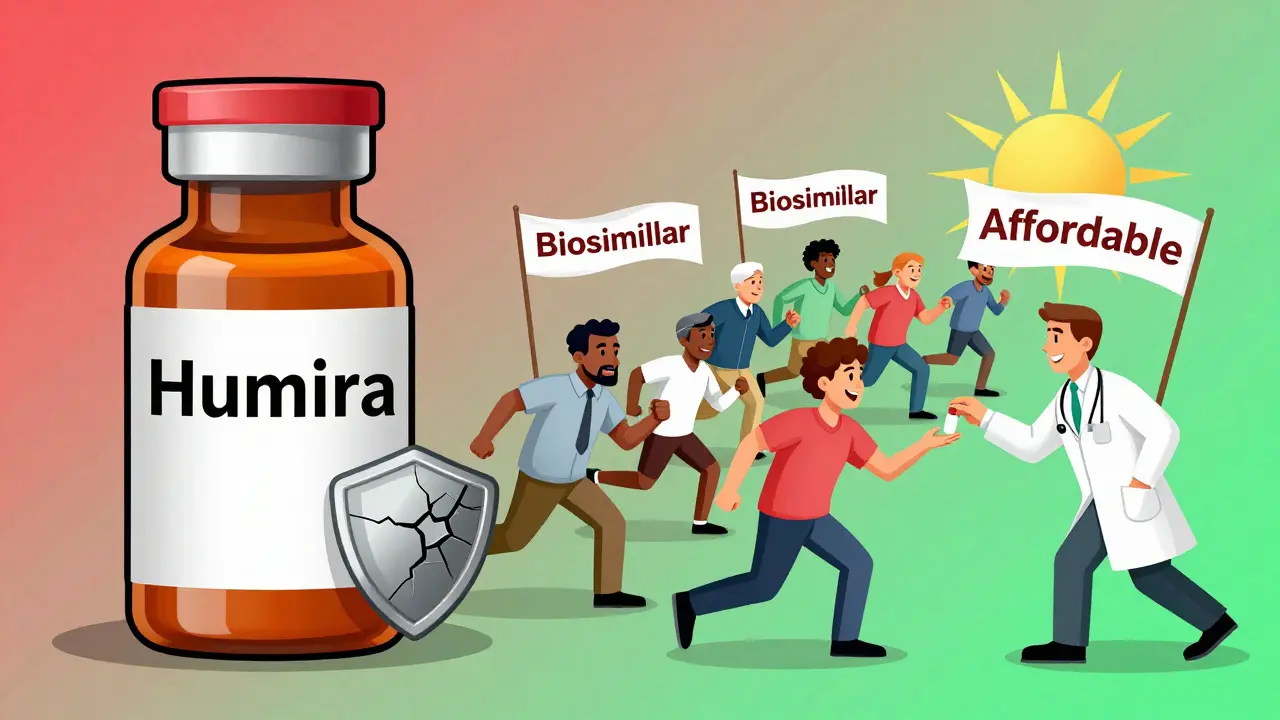
The next big wave isn’t just about simple chemical drugs. It’s about biosimilars. These are complex, biologically derived drugs-like those used to treat cancer, rheumatoid arthritis, and diabetes-that mimic expensive biologics. Unlike traditional generics, biosimilars aren’t exact copies because they’re made from living cells. But they’re proven to work just as well.The market for biosimilars is growing nearly twice as fast as traditional generics. Analysts project an 8.2% annual growth rate through 2030. Why? Because the next wave of expiring patents includes high-revenue biologics. Ustekinumab (Stelara), vedolizumab (Entyvio), and adalimumab (Humira) are set to lose exclusivity between 2025 and 2029. Together, they generated over $25 billion in global sales last year. Once generics enter, prices could drop by 70% within 18 months.
Europe is leading here. The EU has streamlined approval processes, and countries like Germany and the UK have strong policies that prioritize biosimilars in public health systems. Japan is following suit, with fast-track approvals coming online. In the U.S., uptake has been slower due to legal battles and manufacturer deals that delay competition-but that’s changing fast.
Where Growth Is Happening: Asia, Not Just the West
While the U.S. and Europe dominate revenue, the fastest growth is happening in Asia. India alone supplies 20% of the world’s generic drugs and 60% of its vaccine supply. China’s government-run volume-based procurement system-where hospitals bid for the lowest price on bulk drug orders-has reset global pricing benchmarks. A drug that sells for $50 in the U.S. might be priced at $3 in China. That forces manufacturers to cut costs or leave the market.India’s strength? Scale and cost. Its manufacturers operate with low labor costs, strong chemical synthesis expertise, and decades of experience supplying the U.S. and EU markets. Companies like Sun Pharma, Dr. Reddy’s, and Cipla are now investing heavily in biosimilar production. China’s focus? Volume. The government buys in massive quantities, often from state-owned firms, and uses that leverage to drive down prices worldwide.
Meanwhile, Southeast Asia is experimenting with new models. Countries like Thailand and Indonesia are forming regional procurement pools. Instead of each country negotiating separately, they team up to buy generics in bulk. This gives them more power to negotiate prices and ensures supply stability. It’s a model that could spread.
Therapeutic Areas Driving Demand
Not all generic drugs are created equal. Some categories are exploding in demand because of disease trends:- Oncology: Cancer treatments are the most valuable therapy area globally. As drugs like rituximab and trastuzumab lose patents, biosimilars will flood in. The market for oncology generics alone could hit $120 billion by 2030.
- Diabetes and Obesity: Drugs like metformin and GLP-1 agonists (liraglutide, semaglutide) are in high demand. While Ozempic and Wegovy are still branded, their active ingredients will soon be off-patent. Generic versions could cut costs for millions with type 2 diabetes and obesity.
- Cardiovascular: High blood pressure and cholesterol meds like atorvastatin and lisinopril are already generic staples. But new combinations and extended-release versions are emerging, creating next-gen opportunities.
- Antibiotics: Rising resistance is driving demand for affordable antibiotics. In low-income countries, generic versions of vancomycin and linezolid are the only viable options.
These aren’t niche markets. They’re the backbone of global public health. A single generic diabetes drug can prevent hospitalizations, reduce complications, and save healthcare systems billions.
Manufacturing and Technology Are Changing the Game
Producing generics isn’t just about chemistry anymore. It’s about automation, data, and logistics.Robotic process automation is now standard in top-tier generic plants. Machines handle everything from powder mixing to tablet packaging, reducing errors and cutting costs. In 2024, a leading Indian manufacturer reduced production time for a common antibiotic by 40% using AI-driven quality control systems.
Another shift? Medication adherence tech. Apps that remind patients to refill prescriptions, smart pill bottles that track usage, and pharmacy sync programs that deliver 90-day supplies automatically are boosting refill rates. Higher refill rates mean more stable revenue for generic makers-even if prices are low.
And then there’s supply chain resilience. After pandemic disruptions, manufacturers are building redundant production lines. Some are setting up fill-and-finish facilities in Southeast Asia to avoid reliance on single-source suppliers. Dual-source contracts are becoming common, especially in regions with high regulatory standards.
Challenges Ahead
The future looks bright, but it’s not without hurdles.Pricing pressure is real. In markets like China and Brazil, prices are being driven down so far that some manufacturers are walking away. Profit margins on simple generics are now below 5% in some cases. Companies that can’t scale or innovate are getting squeezed out.
Regulatory delays still exist. While the FDA approves generics faster than ever, backlogs remain. A complex biosimilar can take 3-5 years to get approved, compared to 1-2 for a simple tablet. That delays market entry and lets branded manufacturers extend their dominance.
Patent litigation is another wildcard. Some brand-name companies use legal tactics to delay generics-paying generic firms to hold off on entering the market. These "pay-for-delay" deals are being scrutinized, but they still happen. The U.S. FTC is cracking down, but it’s a slow process.
And finally, complexity. The next wave of expiring drugs isn’t just aspirin or statins. It’s injectables, inhalers, transdermal patches, and long-acting biologics. These require advanced manufacturing, sterile environments, and cold-chain logistics. Not every generic company can handle that. The winners will be those investing in R&D, automation, and regulatory expertise.
What This Means for Patients and Systems
For patients, this means more access. In low- and middle-income countries, generic drugs are the difference between life and death. A child with asthma, a diabetic老人 with insulin, a cancer patient on a biosimilar-these aren’t abstract statistics. They’re real people who now have affordable options because of this market.For healthcare systems, generics are a lifeline. In Australia, generics account for over 85% of prescriptions filled. Without them, the national health budget would collapse. In the U.S., Medicare saved over $313 billion on generics between 2015 and 2024. That money didn’t vanish-it went to other critical services: mental health, home care, rural clinics.
The trend is clear: as more drugs go off-patent, generics will become even more central to global health. The companies that succeed won’t just be the cheapest-they’ll be the most agile, the most technologically advanced, and the most committed to quality.
Why are generic drugs so much cheaper than brand-name drugs?
Generic drugs cost less because manufacturers don’t have to repeat the expensive clinical trials that the original company did. They only need to prove their product is bioequivalent-meaning it works the same way in the body. This saves hundreds of millions in R&D costs. They also benefit from economies of scale, especially when produced in countries with lower labor and manufacturing costs.
Are generic drugs as safe and effective as brand-name drugs?
Yes. Regulatory agencies like the U.S. FDA, the European Medicines Agency, and Australia’s TGA require generics to meet the same strict standards for quality, strength, purity, and performance as brand-name drugs. They must deliver the same amount of active ingredient at the same rate. Studies show no meaningful difference in effectiveness or side effects between generics and their branded counterparts.
What’s the difference between a generic drug and a biosimilar?
Generics are chemically identical copies of small-molecule drugs, like pills or injections made from synthetic compounds. Biosimilars are copies of biologic drugs, which are made from living cells-like proteins or antibodies. Because biologics are more complex, biosimilars aren’t exact copies, but they’re proven to have no clinically meaningful differences in safety or effectiveness. Biosimilars take longer and cost more to develop.
Which countries are leading in generic drug production?
India is the world’s largest supplier of generic drugs by volume, providing 20% of global supply and 60% of vaccine demand. China is the second-largest, with its government-driven procurement system setting global price benchmarks. The U.S. and Germany lead in consumption and regulatory approval, while Brazil and South Africa are expanding production capacity in emerging markets.
How will patent expirations affect drug prices in the next five years?
Prices for drugs coming off patent will drop sharply-often by 70-90%-within 12 to 24 months after the first generic enters the market. For example, when Humira lost exclusivity in 2023, its biosimilar versions were priced at 30% of the original cost. The more competitors that enter, the faster prices fall. By 2030, over $200 billion in annual drug sales will be in the generic space, driving down global drug costs.



John Sonnenberg on 7 February 2026, AT 05:07 AM
This market is going to explode and no one is talking about the elephant in the room - the supply chain is a house of cards. One natural disaster in India or China and we're back to paying $100 for metformin. The FDA approves generics like it's a video game but the real world doesn't care about regulatory checkboxes. We're one pandemic away from another insulin crisis.