
Not all headaches are the same. If you’ve ever been told, "It’s just a tension headache," but you were curled up in a dark room with nausea and light sensitivity, you know that’s not true. Or maybe you’ve had pain so sharp it made you pace the floor, tear up, and feel like your eye was being stabbed - and someone called it a migraine. These aren’t just different names for the same thing. They’re three completely different conditions with different causes, symptoms, and treatments. Getting the right diagnosis isn’t just helpful - it’s essential.
Tension-Type Headaches: The Everyday Pressure
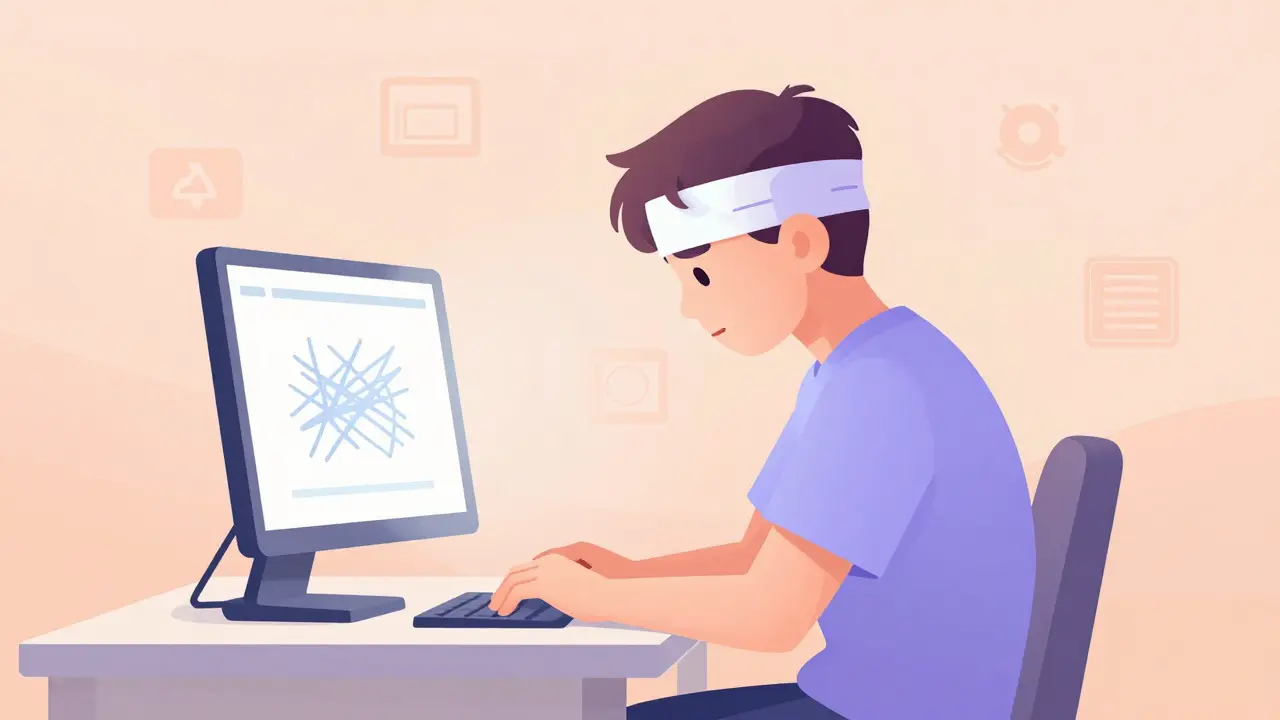
Tension-type headaches are the most common. About 42% of people worldwide get them at some point. You’ve probably had one. It feels like a tight band around your head, or like someone is squeezing your temples. The pain is usually mild to moderate, and it’s on both sides - not just one. It doesn’t throb. It doesn’t make you sick to your stomach. And it doesn’t get worse when you walk or climb stairs.
These headaches can last anywhere from 30 minutes to seven days. If you get them 15 or more days a month for three months straight, that’s chronic tension-type headache. Women are about 1.4 times more likely to get them than men. Stress, poor posture, and staring at screens for hours are common triggers, but they’re not caused by muscle tension in the way most people think. The real issue is how your brain processes pain signals.
What makes tension headaches easy to spot? No nausea. No light or sound sensitivity. No aura. If you have those, it’s probably not this one. Most people treat them with over-the-counter painkillers like ibuprofen or acetaminophen - and it works for about 70% of cases. But if you’re taking them more than two or three days a week, you risk rebound headaches. That’s when the medicine itself starts causing more pain.
Migraines: More Than Just a Bad Headache
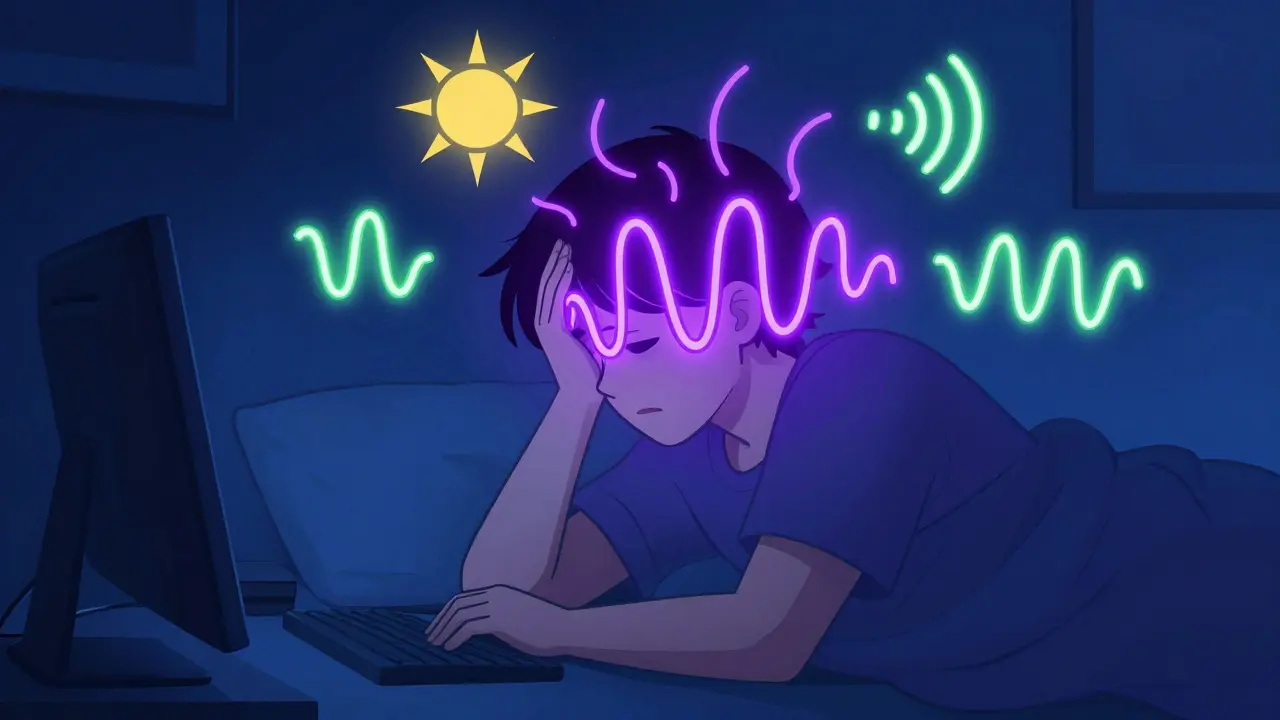
Migraines aren’t just intense headaches. They’re a neurological disorder. About 20% of women and 10% of men get them, usually between ages 35 and 39. The pain is often one-sided and pulsing, like a heartbeat in your head. But here’s the catch - nearly 40% of migraine sufferers feel pain on both sides. So location alone won’t tell you if it’s a migraine.
The real signs? Nausea. Vomiting. Light sensitivity. Sound sensitivity. You might need to lie down in a dark, silent room for hours. Attacks last 4 to 72 hours if untreated. About one in four people with migraines get an aura - visual disturbances like flashing lights, blind spots, or zigzag lines - that happen 5 to 60 minutes before the headache starts. Some people get aura without the headache at all.
What’s happening in the brain? A wave of electrical activity called cortical spreading depression moves across the surface of the brain, triggering inflammation around blood vessels and nerves. That’s what causes the pain and other symptoms. This isn’t stress-induced. It’s biological. And it’s not cured by popping an Advil. Migraines need specific meds like triptans or newer drugs like CGRP inhibitors (e.g., atogepant). These work by blocking the chemicals that cause the inflammation and pain.
Here’s a big mistake people make: thinking that if you have tearing eyes or a stuffy nose during a headache, it’s a cluster headache. That’s not true. About 20% of migraine patients have these autonomic symptoms too. That’s why emergency rooms misdiagnose migraines as cluster headaches so often.
Cluster Headaches: The Worst Pain Known to Humans
Cluster headaches are rare - affecting only about 1 in 1,000 adults - but they’re brutal. The pain is described as the worst known to humans. It’s not just bad. It’s unbearable. You’ll feel it deep in or around one eye, or on one side of your temple. It hits hard, peaks fast, and lasts 15 to 90 minutes - never more than three hours.
These don’t come once a month. During a cluster period - which lasts 6 to 12 weeks - you might get 1 to 8 attacks a day. And they happen at the same time every day. Many people wake up 2 to 3 hours after falling asleep with a cluster attack. About 40% of people have seasonal patterns - like clockwork, they start every spring or fall.
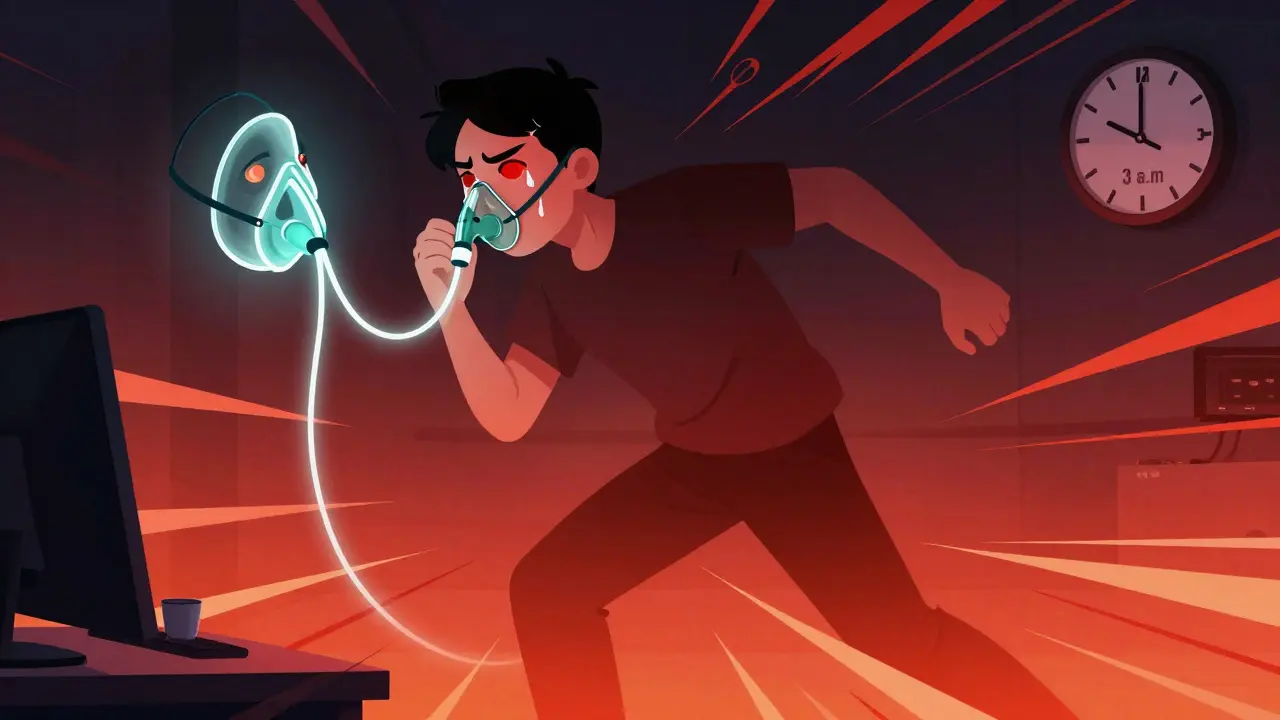
The symptoms aren’t just pain. They’re autonomic. On the same side as the headache, you’ll get: tearing eyes, redness, nasal congestion, runny nose, sweating on the face, and sometimes a drooping eyelid. You won’t sit still. You’ll pace. You’ll rock. You’ll scream. You can’t lie down and wait it out like with a migraine. The restlessness is part of the attack.
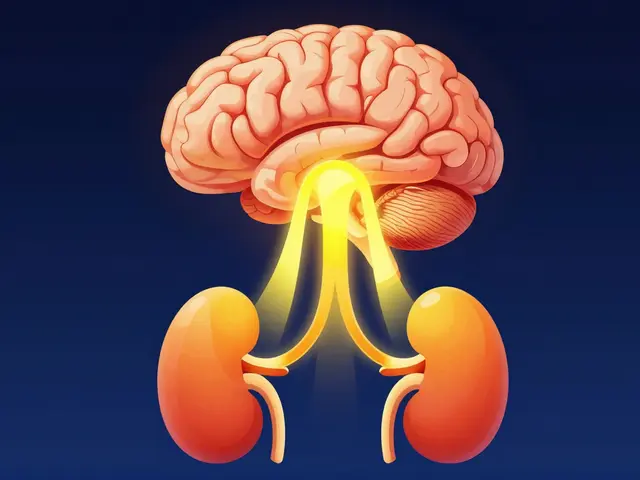
What’s causing this? The hypothalamus - the part of your brain that controls your body clock - goes haywire. Brain scans show it lights up during attacks. That’s why cluster headaches are called trigeminal autonomic cephalalgias (TACs). They’re not migraines. They’re not tension headaches. They’re their own thing.
Treatment is specific. High-flow oxygen through a mask works for 70-80% of people within 15 minutes. Subcutaneous sumatriptan injections are also highly effective. Preventive meds like verapamil are used during cluster periods. In 2023, the FDA approved atogepant for cluster headache prevention - the first oral drug of its kind. For those who don’t respond, deep brain stimulation is being tested, with early results showing over 60% of patients go into remission.
How to Tell Them Apart - A Quick Guide
Here’s the simplest way to tell the difference:
| Feature | Tension-Type | Migraine | Cluster |
|---|---|---|---|
| Pain location | Bilateral (both sides) | Usually one side, sometimes both | Strictly one side |
| Pain quality | Pressure, squeezing | Pulsing, throbbing | Excruciating, stabbing |
| Duration | 30 min - 7 days | 4 - 72 hours | 15 - 180 minutes |
| Frequency during attack period | Variable | 1-4 per month | 1-8 per day |
| Nausea/vomiting | Not typical | 90% of attacks | Not typical |
| Light/sound sensitivity | 5-10% | 80% | 50% |
| Autonomic symptoms | None | Occasional (tearing, congestion) | Always (tearing, red eye, congestion, drooping eyelid) |
| Behavior during attack | Can function | Seek stillness, darkness | Pacing, restlessness |
| First-line treatment | NSAIDs | Triptans, CGRP inhibitors | Oxygen, sumatriptan injection |
Why Misdiagnosis Is So Common
Up to half of all headache patients are misdiagnosed. Why? Doctors get very little training on headaches - only about 4 hours in medical school. Many think if it’s on one side, it’s a migraine. If it’s severe, it’s a cluster. But that’s not how it works.
One big trap? Autonomic symptoms. People with migraines can get a stuffy nose, watery eye, or drooping eyelid. That doesn’t make it a cluster headache. A headache specialist says: "Patients come in saying they have ‘cluster migraines’ - that’s not a real diagnosis. Clustering doesn’t equal cluster headache." Migraines can cluster - meaning they happen often - but that’s different from having cluster headaches.
Another trap? Assuming tension headaches are just stress. They’re not. They’re a brain pain-processing issue. And treating them like they’re just emotional can delay real help.
What You Should Do
Start keeping a headache diary. Write down:
- Date and time of each headache
- Location and type of pain (pressure? throbbing? stabbing?)
- How long it lasts
- Any symptoms (nausea, light sensitivity, tearing, etc.)
- What you did before it started (stress, sleep, food, alcohol)
- What helped - or didn’t
Track this for at least four weeks. Bring it to your doctor. Don’t say, "I have migraines." Say, "I have this kind of pain, these symptoms, and here’s how often it happens." That gives your doctor the clues they need.
If you’re getting frequent, severe headaches - especially if over-the-counter meds don’t help - see a neurologist who specializes in headaches. General doctors aren’t trained to spot the subtle differences. And if you’re having cluster-like attacks, don’t wait. Oxygen therapy works fast. You don’t need to suffer through dozens of attacks before getting help.
Final Thought
Headaches aren’t just "in your head." They’re real, measurable neurological events. Tension headaches, migraines, and cluster headaches are as different as a sprained ankle, a broken bone, and a heart attack. They hurt, but they’re not the same. Getting the right label isn’t about being picky - it’s about getting the right treatment. And that can mean the difference between managing your pain - and finally living without it.


Michael Burgess on 3 January 2026, AT 00:47 AM
Been dealing with what I thought was a migraine for years - turns out it was tension headaches from hunching over my laptop all day. The brain-pain-processing thing blew my mind. I started doing yoga and posture checks, and wow - 80% less pain. No more ibuprofen daily. Life changed.
Also, oxygen therapy for cluster headaches? That’s wild. I had a buddy who used to scream in the garage during attacks - got an oxygen tank, and now he just sits there like a zen monk breathing. Mind blown.