
Medication-Induced Hypertension Risk Calculator
Medication Risk Assessment
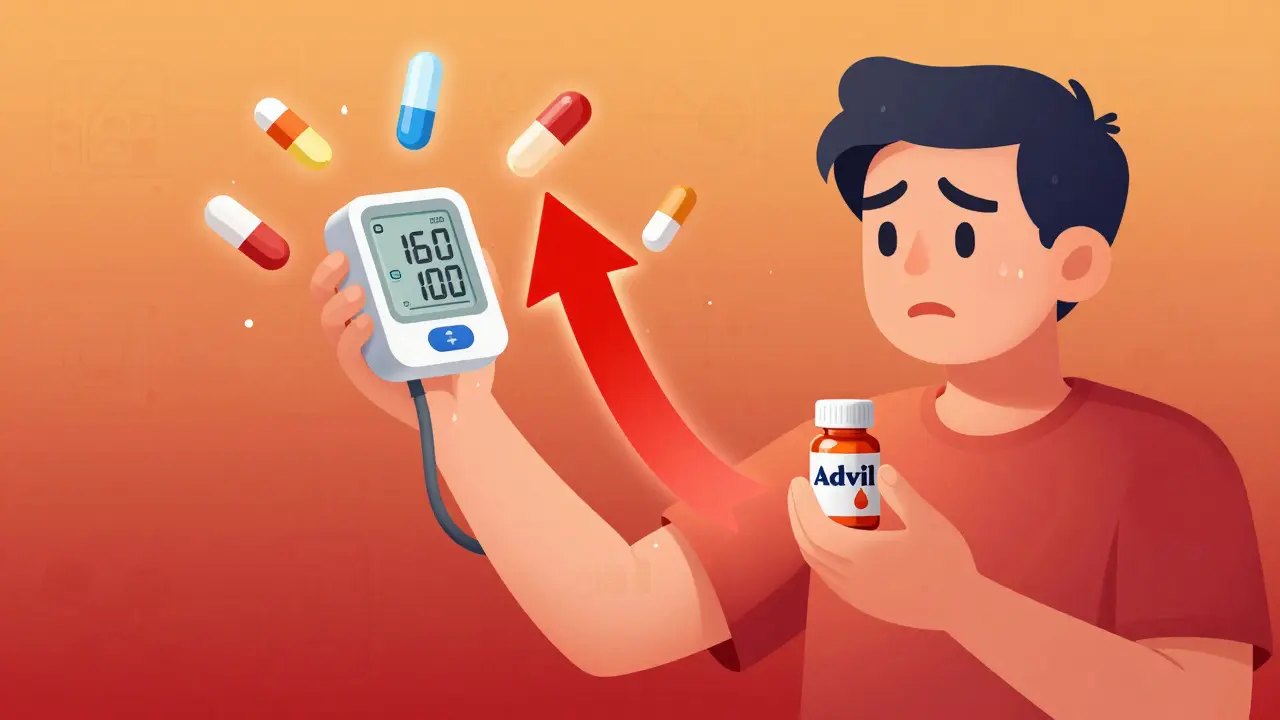
Many people don’t realize that the pills they take for pain, colds, or depression could be quietly raising their blood pressure. Medication-induced hypertension isn’t rare - it affects 15 to 20 million Americans every year. In fact, up to 5% of all high blood pressure cases come from drugs, not genetics or lifestyle. And most of the time, neither patients nor doctors connect the dots until the numbers spike dangerously high.
Which Medications Are Most Likely to Raise Your Blood Pressure?
It’s not just prescription drugs. Over-the-counter painkillers, cold remedies, and even herbal supplements can do it. The biggest culprits are:
- NSAIDs like ibuprofen (Advil, Motrin) and naproxen (Aleve): These common pain relievers cause sodium retention and reduce kidney blood flow. In people with existing high blood pressure, ibuprofen can push systolic pressure up by 5 to 10 mm Hg in just two weeks. About 12% of hypertensive patients see a clinically significant rise.
- Corticosteroids like prednisone: Used for arthritis, asthma, and autoimmune diseases, these can trigger hypertension in up to 60% of long-term users. A daily dose of 20 mg or more for over four weeks increases risk dramatically. Blood volume can rise by 10% within three days.
- Decongestants like pseudoephedrine and phenylephrine: Found in cold and allergy meds, they tighten blood vessels. A single 60 mg dose can spike systolic pressure by 5 to 10 mm Hg within an hour - and the effect lasts up to 12 hours.
- Antidepressants like venlafaxine (Effexor): SNRIs increase norepinephrine, which raises heart rate and constricts arteries. At doses above 150 mg/day, 8-15% of users develop new or worse hypertension.
- ADHD stimulants like amphetamine salts and methylphenidate: These boost sympathetic activity. Dextroamphetamine causes high blood pressure in nearly 25% of users.
- Erythropoietin (Procrit): Used for anemia, it thickens the blood and increases vascular resistance. Hypertension develops in 20-30% of patients within weeks to months.
- HIV medications (HAART): Especially in older adults, these can raise systolic pressure by 10-15 mm Hg after six months of use.
Even herbal supplements like St. John’s Wort can interfere with blood pressure control. Many patients report no warning from their doctors - and end up in crisis before anyone connects the dots.
How Do These Drugs Actually Raise Blood Pressure?
It’s not magic. Each class works through specific biological pathways:
- NSAIDs block enzymes that help kidneys remove sodium and relax blood vessels. This leads to fluid buildup and tighter arteries.
- Corticosteroids mimic aldosterone, a hormone that makes your body hold onto salt and water. More fluid = higher pressure.
- Decongestants activate alpha-receptors in blood vessel walls, causing immediate vasoconstriction.
- Antidepressants like venlafaxine prevent the reuptake of norepinephrine, keeping it active in your system longer - which keeps your heart racing and vessels squeezed.
- Stimulants and erythropoietin increase heart output and blood viscosity, forcing the heart to work harder.
These aren’t side effects you can ignore. They’re direct physiological changes - and they can damage your heart, kidneys, and blood vessels over time.
How to Monitor Your Blood Pressure Correctly
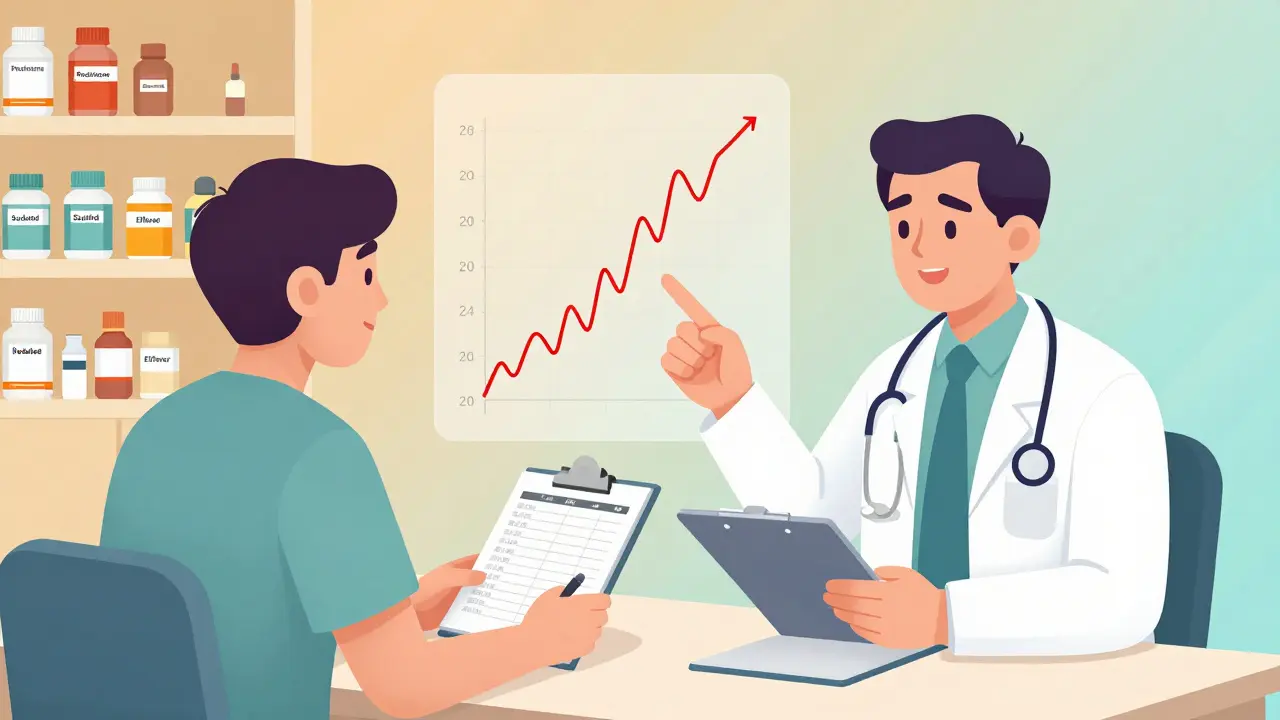
If you’re on any of these meds, don’t wait for symptoms. High blood pressure often has none. Here’s how to track it properly:
- Baseline check: Get your blood pressure measured before starting any new medication - especially NSAIDs, steroids, or antidepressants.
- First 2-4 weeks: Check at home twice daily (morning and evening) for 7 days. Use an FDA-cleared upper-arm monitor. Average the readings from days 2-7.
- After 4-6 weeks: Return to your provider. If your numbers are up by 10 mm Hg or more, it’s time to reassess.
- Long-term users: Quarterly checks are the minimum. For those on steroids or multiple BP-raising drugs, ambulatory monitoring (ABPM) is recommended. This tracks pressure over 24 hours - catching spikes you’d miss with office visits.
- Orthostatic checks: If you’re on corticosteroids, sit and stand. A drop of 20/10 mm Hg or more when standing can signal fluid shifts and increased cardiovascular strain.
Home monitoring isn’t optional - it’s essential. A 2023 study found that 68% of patients who developed drug-induced hypertension had no idea their BP was rising because they never checked.
What to Do If Your Blood Pressure Rises
Step one: Don’t panic. Step two: Don’t stop your meds without talking to your doctor. Here’s what actually works:
- Review every medication. Include OTC drugs, supplements, and even alcohol. Many patients take ibuprofen daily for arthritis and pseudoephedrine weekly for allergies - and don’t realize they’re stacking two BP-raising agents.
- Try alternatives. For pain, switch from ibuprofen to acetaminophen (up to 3,000 mg/day). For allergies, use nasal steroids like fluticasone instead of oral decongestants. For depression, SSRIs like sertraline have less impact on BP than SNRIs.
- Reduce the dose. Sometimes lowering prednisone from 30 mg to 10 mg cuts BP by 15 mm Hg. Same with venlafaxine - dropping from 225 mg to 150 mg can normalize pressure.
- Use the right BP meds. If you still need the original drug (like steroids for lupus), treat the hypertension with calcium channel blockers (amlodipine) or thiazide diuretics (hydrochlorothiazide). Beta-blockers? Avoid them. They’re ineffective against vasoconstriction and only work in about 45% of cases.
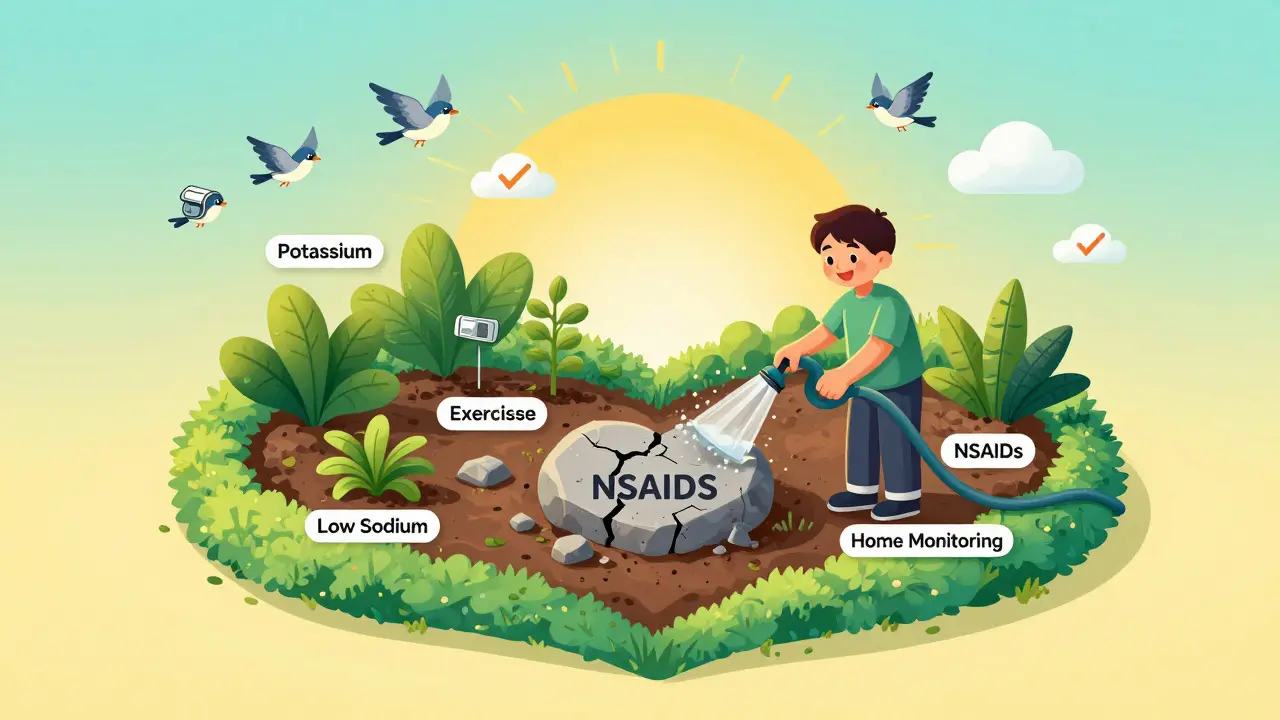
- Lifestyle tweaks matter. Cut sodium to under 1,500 mg/day. Add potassium-rich foods (bananas, spinach, sweet potatoes). Walk 30 minutes a day, five days a week. These changes can drop BP by 5-8 mm Hg - enough to avoid adding another pill.
One patient on Reddit shared: “My doctor didn’t even ask about my cold medicine. I was taking Sudafed every few days. My BP was 160/100. Switched to a non-decongestant version - three weeks later, it was 120/78.”
Why Doctors Miss This - And How to Advocate for Yourself
Here’s the uncomfortable truth: Many providers don’t routinely screen for BP-raising meds. A 2023 survey found only 22% of primary care doctors ask hypertensive patients about NSAID or decongestant use. Patients often assume their meds are safe because they’re “common” or “over-the-counter.”
But you can change that. Bring a full list of everything you take - including vitamins, herbs, and supplements - to every appointment. Use the American Heart Association’s Medication-Induced Hypertension Checklist to guide the conversation. Ask: “Could any of these be raising my blood pressure?”
Don’t be afraid to say: “I’ve been tracking my BP at home, and it’s gone up since I started this med. Can we look at alternatives?”
Studies show that when patients bring data - home readings, timing of changes, symptom logs - doctors are 3 times more likely to adjust treatment.
What’s Changing in 2026?
The tide is turning. The FDA now requires stronger warnings on NSAID labels. The American College of Cardiology launched a free online Drug-Induced Hypertension Calculator that flags risky combinations based on your meds. And by 2024, new guidelines will include specific algorithms for managing hypertension caused by antidepressants, steroids, and stimulants.
Pharmacist-led medication reviews - now being tested in 45 clinics - have already cut uncontrolled hypertension by 28% in early results. This isn’t science fiction. It’s happening now.
The goal by 2030? A 15-20% drop in complications from drug-induced hypertension - through better screening, better communication, and better awareness.
You don’t have to wait for the system to catch up. Start today. Check your BP. Review your meds. Ask the question. Your heart will thank you.



Naresh L on 1 February 2026, AT 20:08 PM
It’s wild how we treat pills like they’re harmless candy. I mean, we check the calorie count on a snack but never ask what a drug is doing to our vascular system. The body doesn’t care if it’s OTC or prescribed-it just reacts. Maybe we need a new kind of literacy: Medication Biology 101, taught in high school alongside sex ed and taxes.