Tinea versicolor is a common fungal skin condition caused by Malassezia yeast overgrowth. Learn how to identify symptoms, choose effective treatments, and prevent recurrence with a maintenance plan.
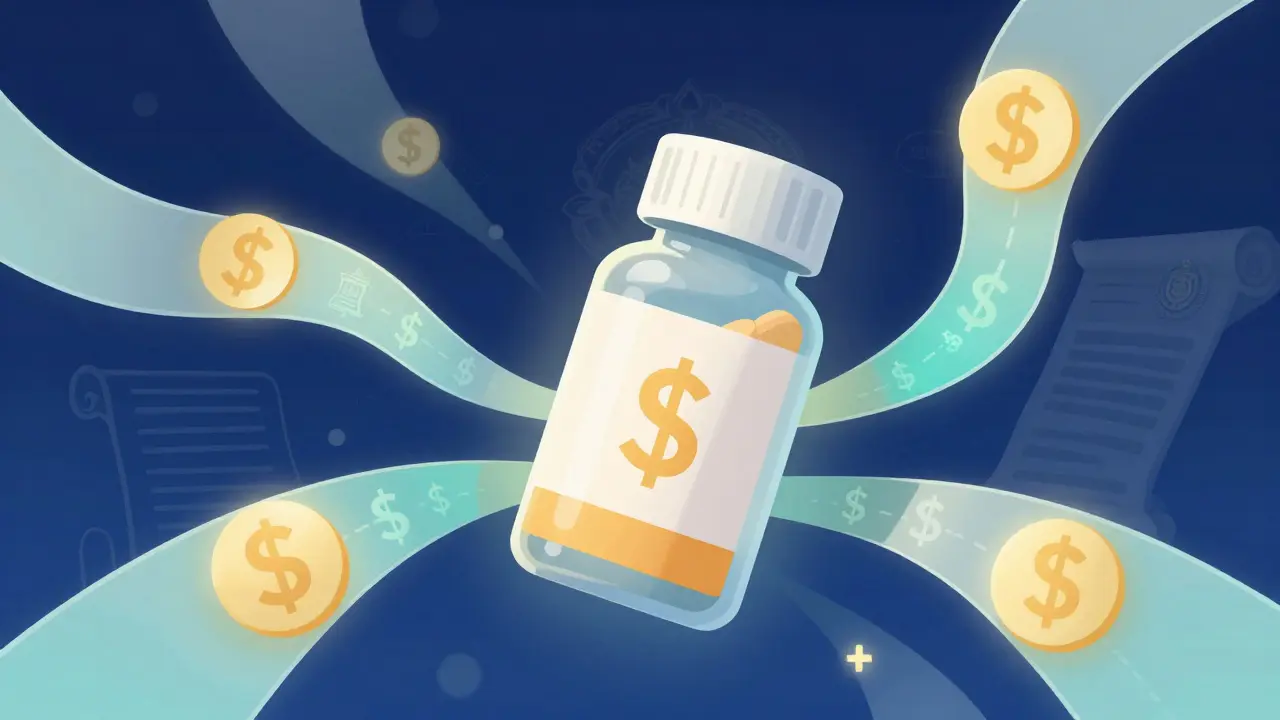
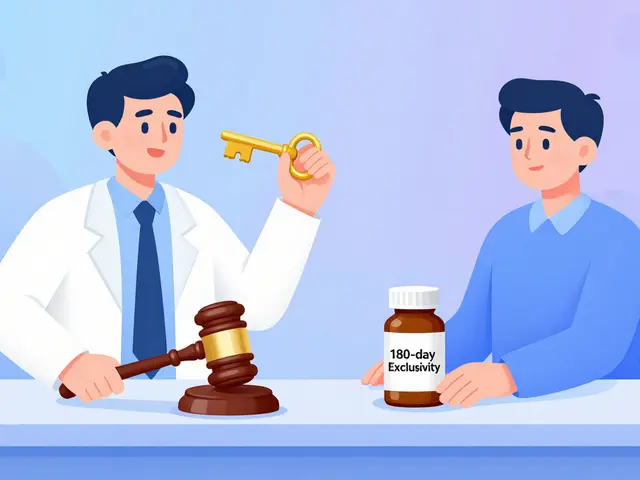
Explore how US laws and reimbursement models like Medicare Part D influence generic drug pricing. Learn about PBMs, MAC pricing, and upcoming policy changes affecting pharmacy costs.
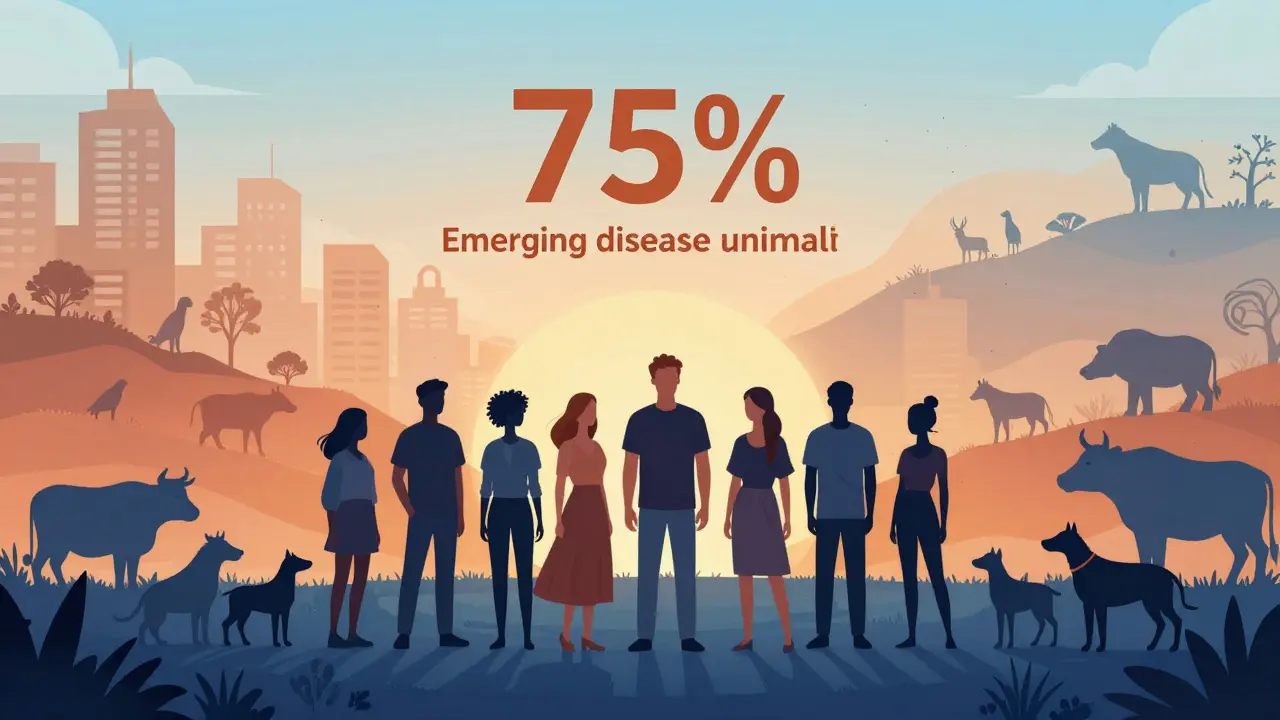
Learn how zoonotic diseases jump from animals to humans, identifying common transmission routes like bites, vectors, and food contamination. Discover practical avoidance strategies to protect your family.
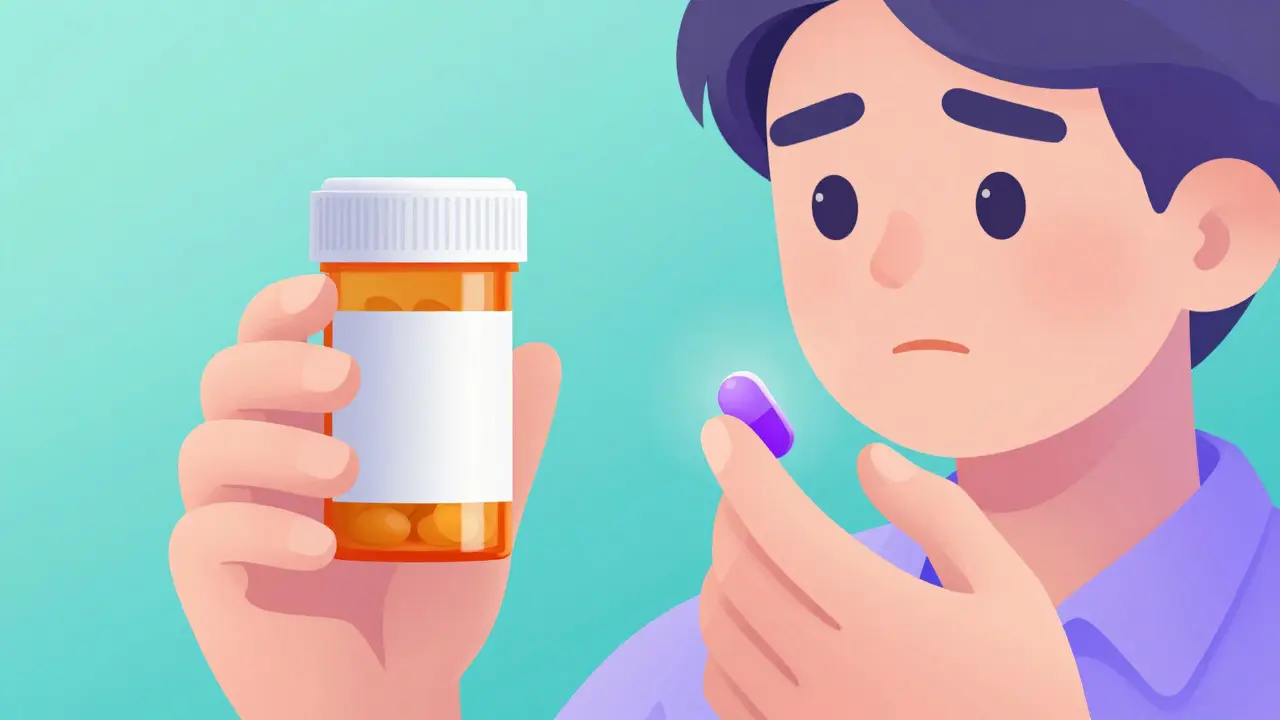
Understand why generic pills look different and how to verify their safety. Learn about bioequivalence standards, major manufacturers, and when to request a specific brand.
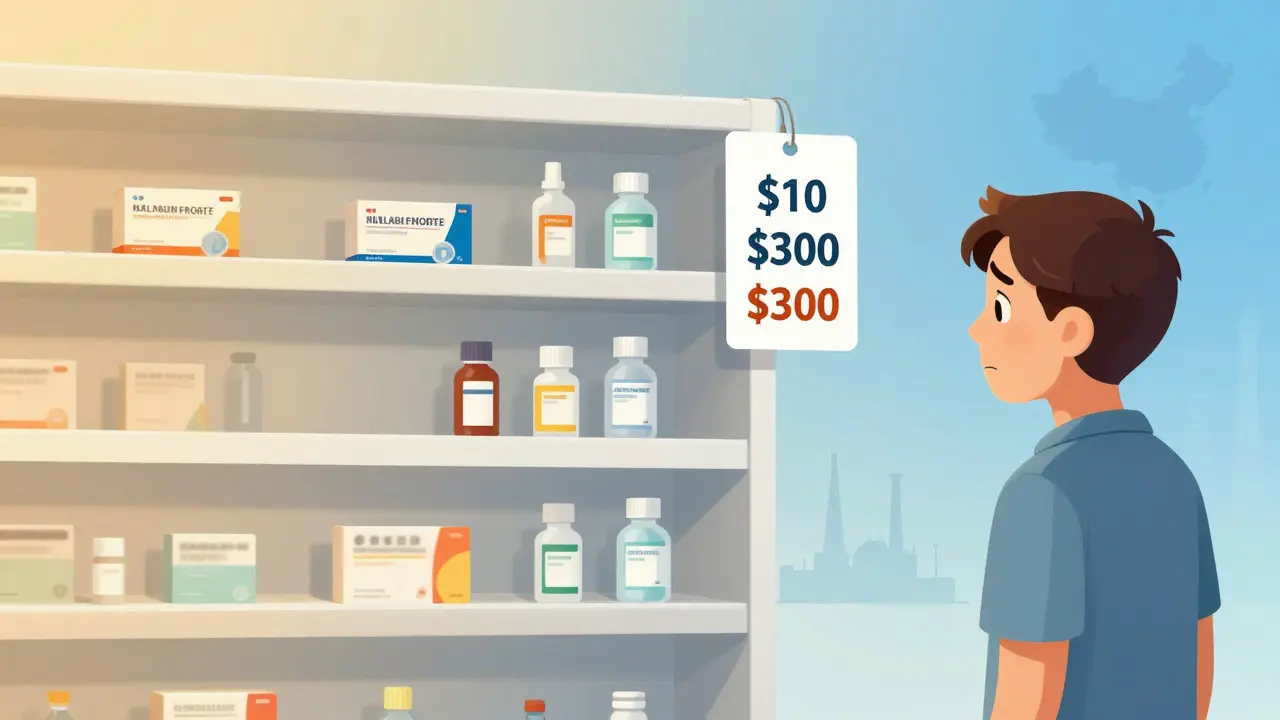
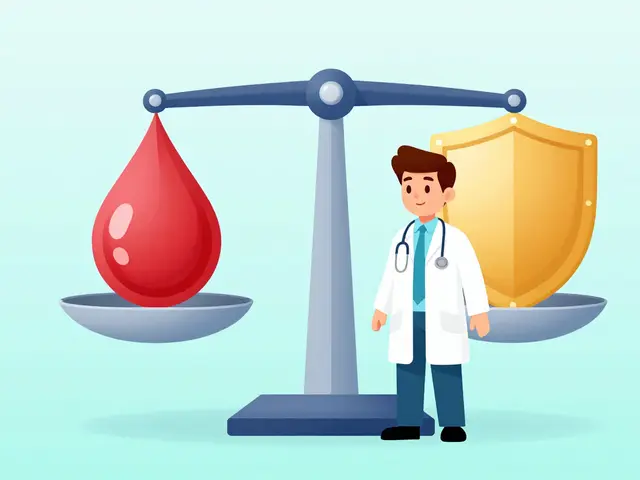
Pricing pressure and shortages in healthcare have driven up costs, delayed treatments, and endangered lives. From drug supply chains to nursing shortages, here's how economic imbalances are reshaping patient care.
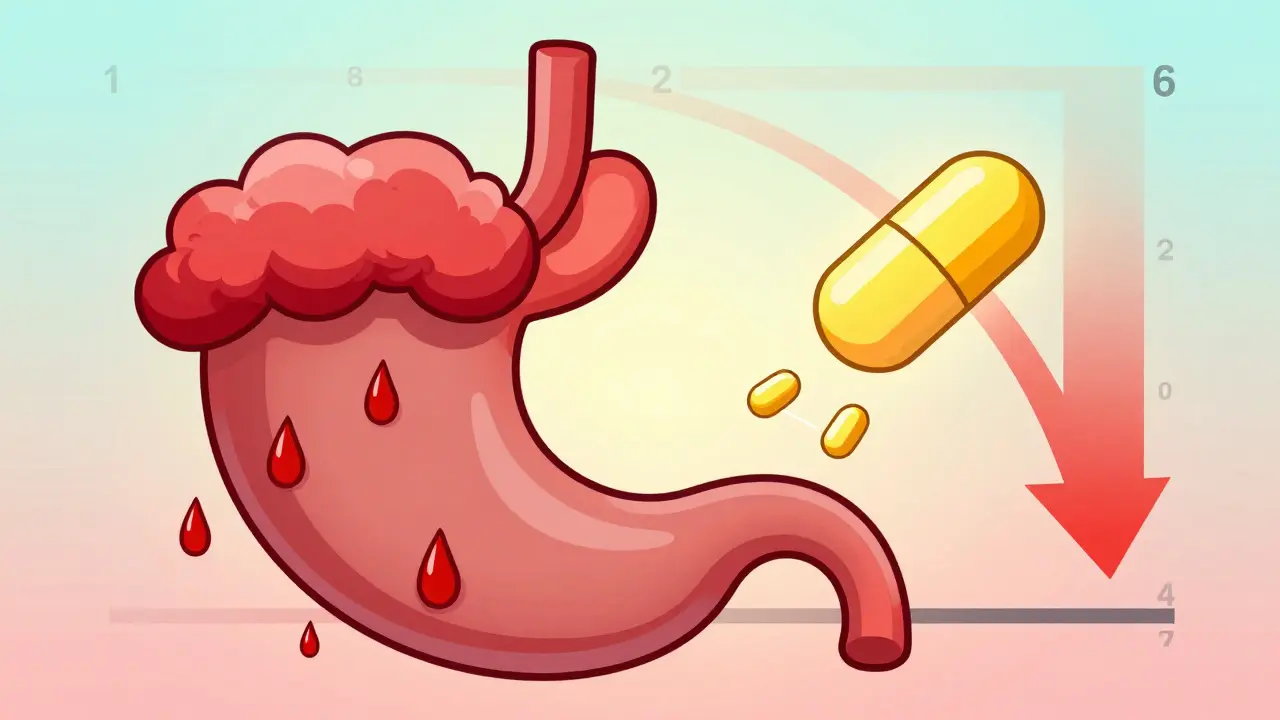
Proton pump inhibitors can cut antifungal drug absorption by up to 60%, leading to treatment failure. Learn which antifungals are affected, how to fix it, and why timing alone isn't enough.
Patient support groups help people overcome fear and confusion when switching to generic medications by sharing real experiences, building trust, and improving adherence-leading to better health and big cost savings.
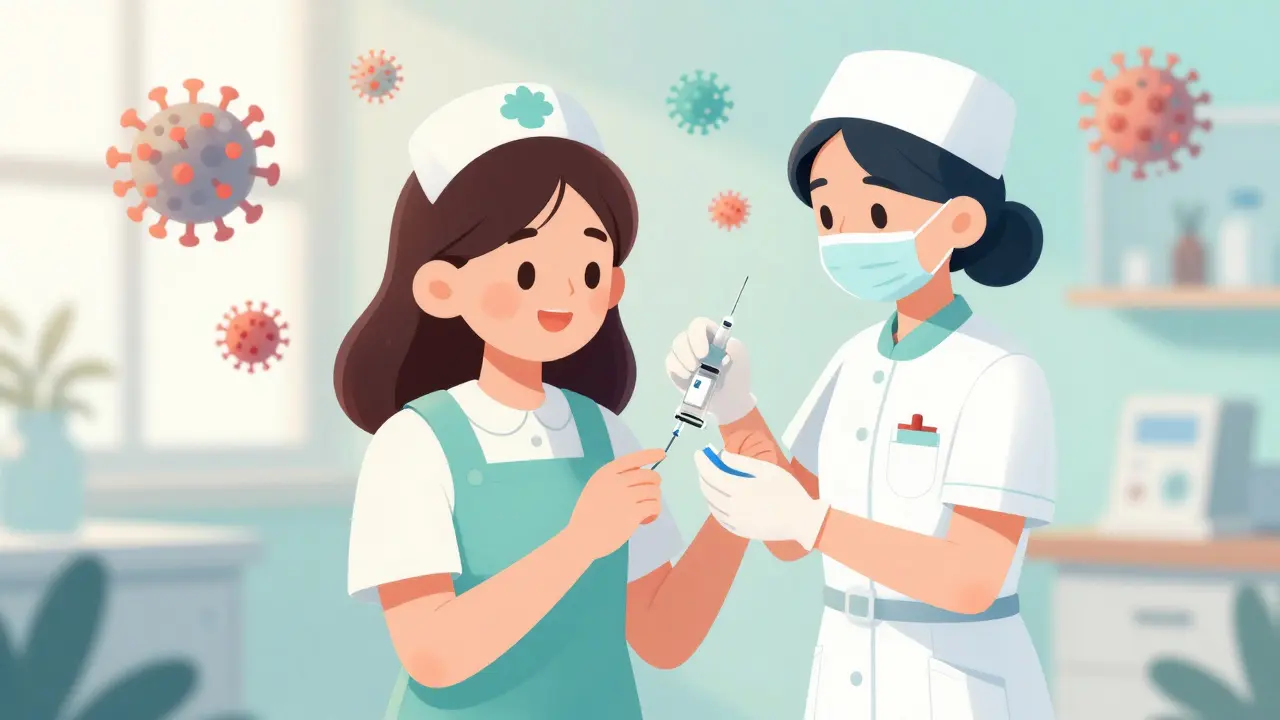
Cervical cancer is preventable with HPV vaccination and regular screening. Learn how early vaccination and modern HPV testing are reducing cases worldwide-and what you can do to protect yourself.
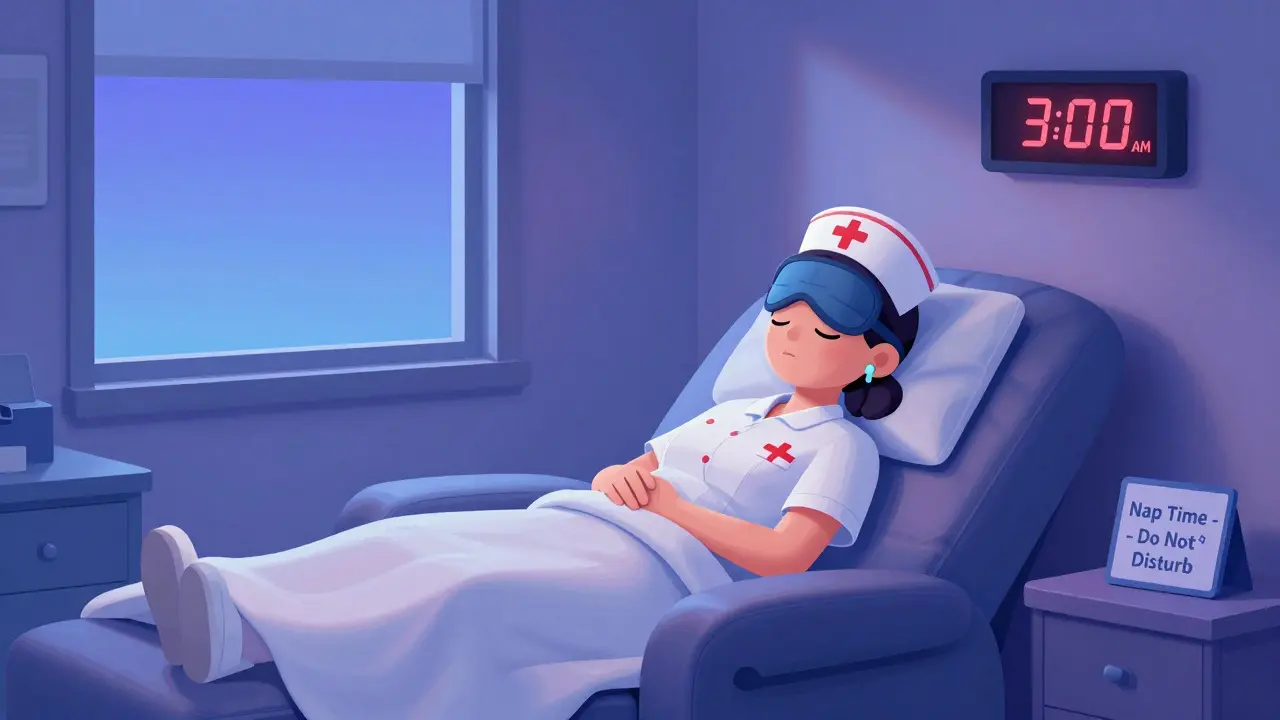
Strategic napping for shift workers improves alertness, reduces errors, and lowers health risks. A 20-30 minute nap between 2 a.m. and 4 a.m. is the most effective way to fight night-shift fatigue.
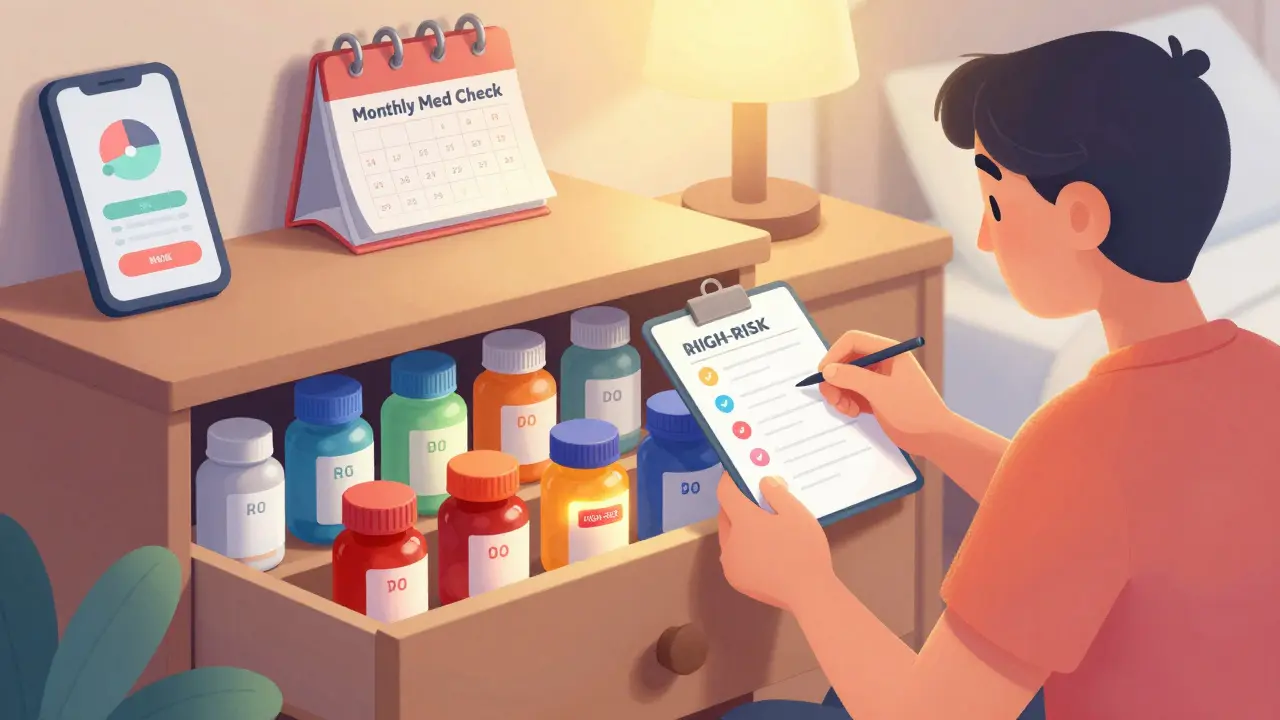
Learn how to create a simple, effective medication expiration review schedule to avoid dangerous side effects, wasted money, and ineffective treatments. Step-by-step guide for home use with practical tools and expert-backed timing.