
Ever wonder why your generic medication bill varies even though the pill looks exactly the same? It isn't just about the pharmacy shelf. Behind every prescription label sits a complex web of federal and state laws that dictate how pharmacies get paid. These reimbursement models determine whether a pharmacy stays open or closes its doors.
We need to look under the hood of the US system because it sets the standard for many healthcare discussions globally. The foundation rests on how governments balance patent protection with public access. Without understanding the legal framework, you cannot make sense of the fluctuating prices at the counter.
The Legal Backbone of Generic Approval
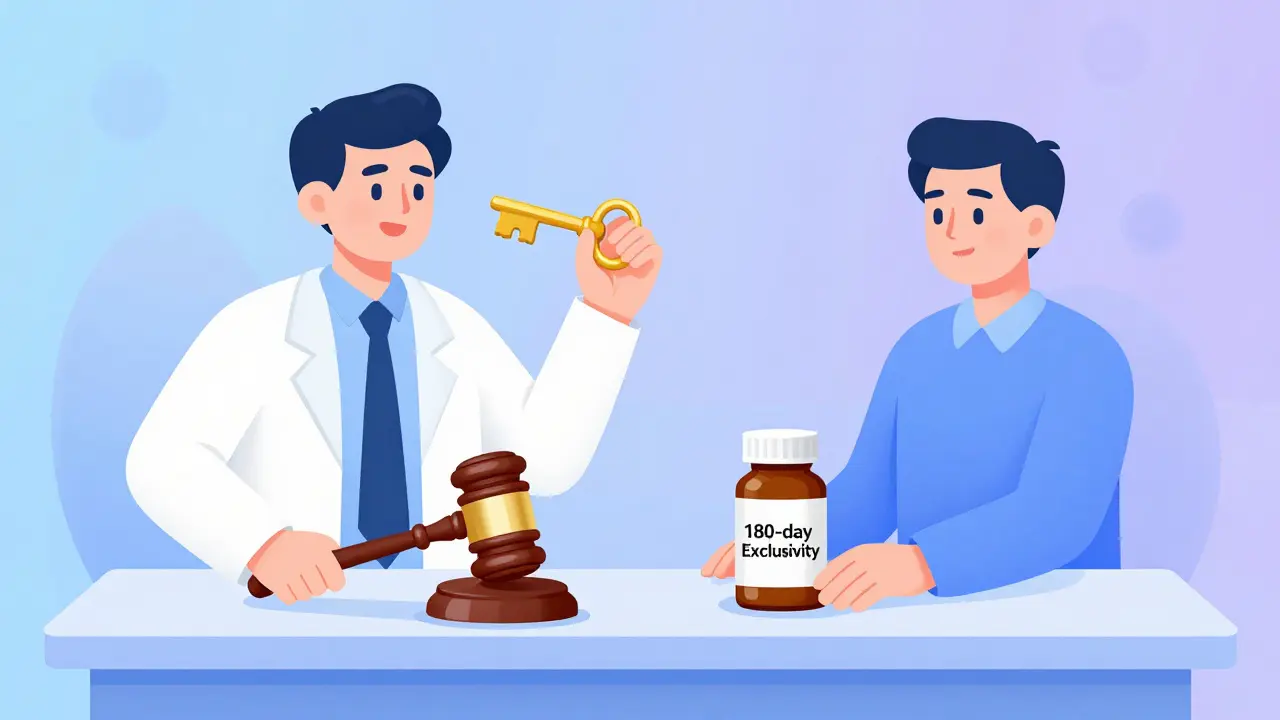
Before we talk money, we have to talk approval. The system didn't start with a budget spreadsheet; it started with legislation. The Hatch-Waxman Act is the 1984 law known as the Drug Price Competition and Patent Term Restoration Act. Also known as The Generic Drug Law, it created a shortcut called the abbreviated new drug application (ANDA).
This balance was critical. It allowed patent expiration so competitors could enter the market. Yet, it kept patents alive long enough for innovation. Today, the Food and Drug Administration (FDA) manages this process through user fee programs like GDUFA. These fees fund the review process and changed in 2017 to help smaller companies enter the market. This ensures competition actually happens.
How Money Moves: Pricing Mechanisms
When you walk into a pharmacy, the price tag isn't the only number being calculated. Insurers and government programs use specific math to pay the store. Two methods dominate the landscape for generic ingredients.
- Average Wholesale Price (AWP): Often used for brands or older generics, this takes a wholesale benchmark and subtracts a percentage to estimate cost.
- Maximum Allowable Cost (MAC): This is stricter. It reimburses only the actual purchase cost of the generic unit.
Imagine a scenario where the AWP lists a drug at $100 but the pharmacy buys it for $20. If the formula isn't right, the pharmacy pays the difference. That difference can bankrupt small businesses. MAC programs specifically stop pharmacies from profiting off generics if they switch from a brand version to a generic one. They force the pharmacy to absorb the spread.
| Model Type | Payment Basis | Risk Level for Pharmacies |
|---|---|---|
| AWP Minus Percentage | Benchmark Wholesale List | Medium (Estimates vary) |
| Maximum Allowable Cost (MAC) | Actual Acquisition Cost | High (Must buy cheapest option) |
Under the Medicaid Drug Rebate Program is a mandate requiring manufacturers to share savings with states., drug manufacturers must sign national rebate agreements. These rebates offset the cost of prescription drugs for the program. It means the government gets a discount directly from the maker before the pharmacy even touches the pill.
The Role of Pharmacy Benefit Managers
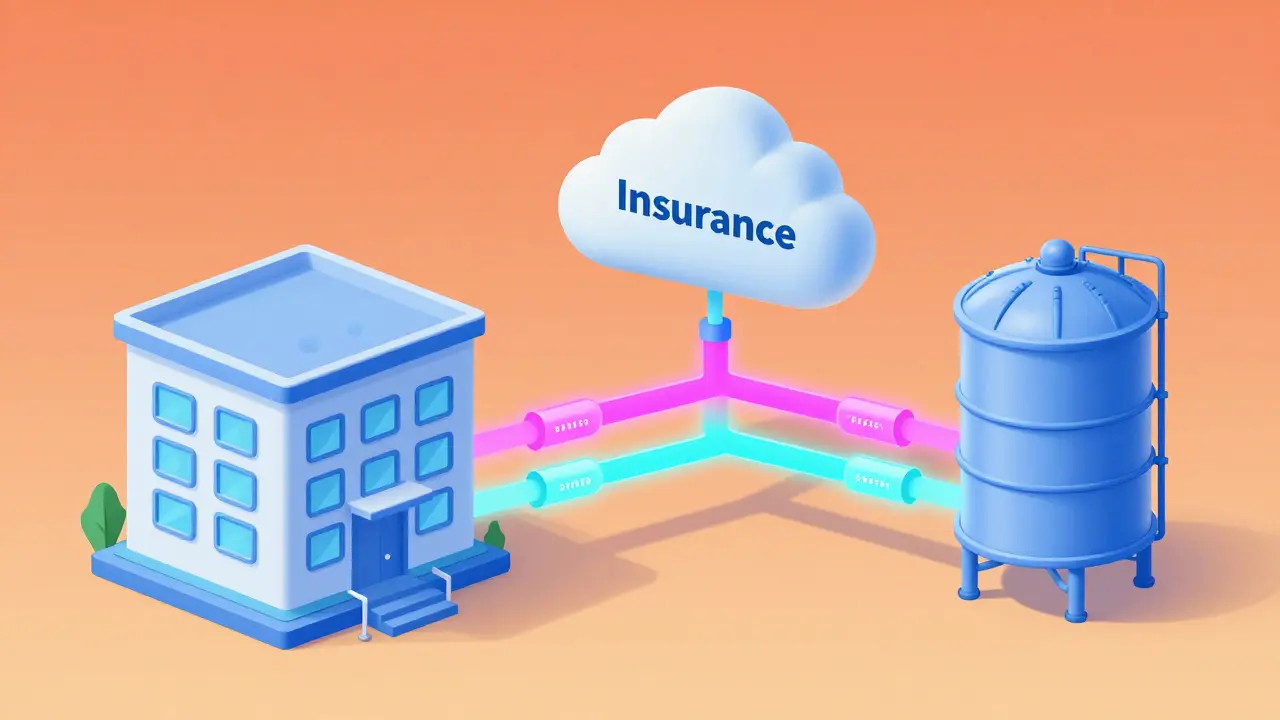
You usually don't see them, but Pharmacy Benefit Managers (PBMs) control the flow of funds. They sit between the insurance company, the manufacturer, and the pharmacy. Their job involves negotiating drug prices and determining patient access.
In 2026, three massive players handle most claims. CVS Caremark, Express Scripts, and OptumRX process over 80% of prescriptions. They generate revenue in ways that aren't always visible to consumers. One major income stream is "spread pricing." This happens when the PBM collects more from the insurer than they pay the pharmacy.
This practice has drawn scrutiny. Independent community pharmacies report margin compression because the reimbursement rates drop significantly. In 2023, average margins were just 1.4%. Back in 2018, they were 3.2%. That tight squeeze makes operations difficult for local businesses serving neighborhoods.
Federal Programs: Medicare and Medicaid
The largest purchaser of drugs in the US is the government itself. Medicare covers roughly 50 million people, split between Part B and Part D. These two parts work differently for generics.
Part D handles outpatient pills. Formularies list which drugs are covered and at what tier. Generics sit low on the tiers, meaning lower copays. However, plans still have leeway. Some plans require prior authorization even for common generics. About 28% of plans did this as recently as 2022.
Part B covers infused medications in clinics. It uses a "buy and bill" model. Providers buy the drug first, then submit a claim for reimbursement later. This creates different cash flow issues compared to retail pharmacy dispensing.
What This Means for Patients
If you have a prescription, these models decide your wallet size. Differential brand/generic copayments mean you pay less for the generic. Plans encourage this switch. Some add a third tier for non-formulary drugs that cost much more.
Recently, the Medicare $2 Drug List Model is a proposed voluntary model standardizing cost sharing for low-cost generics. became a major talking point. It aims to cap spending for clinically important drugs. For example, insulin and common antibiotics could hit a flat rate instead of variable copays.
Prior to 2018, some contracts included "gag clauses." These stopped pharmacists from telling you if paying cash was cheaper than your insurance copay. Now banned, transparency is better. Still, high deductibles can hurt beneficiaries who don't qualify for Extra Help subsidies.
Looking Ahead at Regulatory Trends
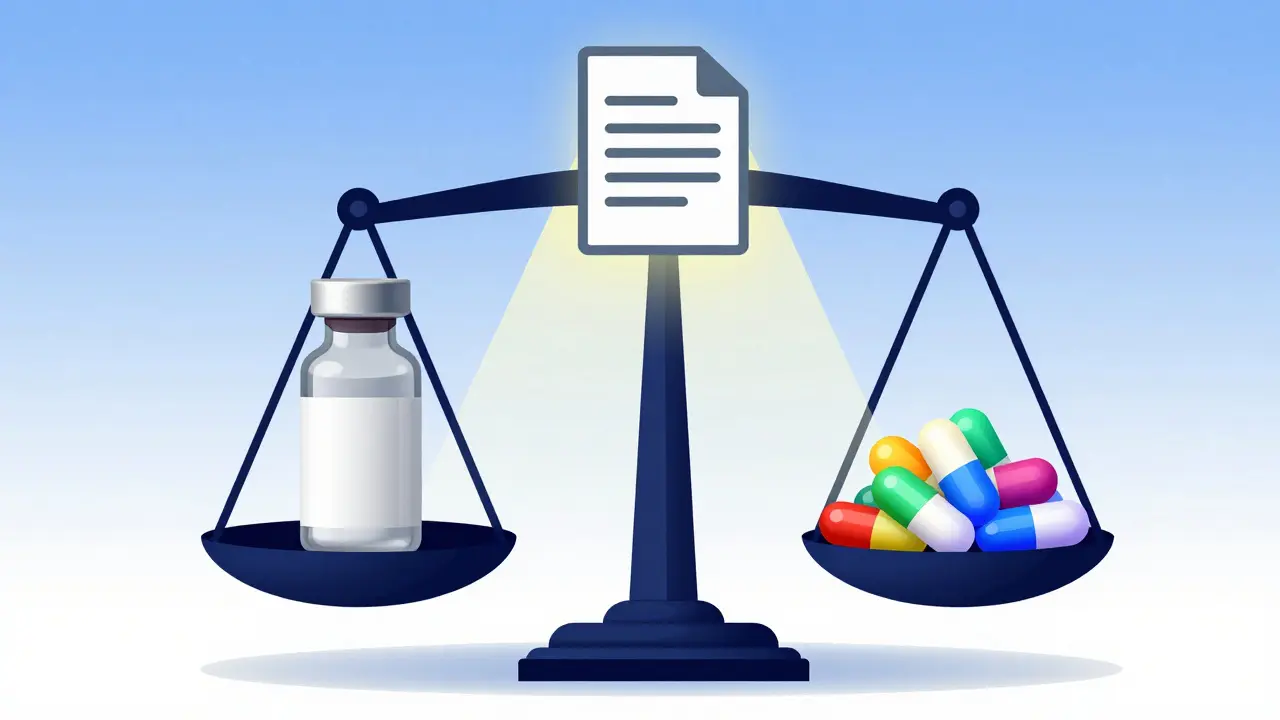
Laws evolve constantly to address market gaps. The Federal Trade Commission watches for "pay-for-delay" deals. This is where a brand manufacturer pays a generic competitor to stay out of the market. Such agreements limit competition and keep prices high.
State legislatures are also acting. As of 2023, 44 states enacted laws addressing reimbursement practices. They want transparency on how PBMs set prices. In 2026, the Inflation Reduction Act changes continue to ripple through the system. The annual out-of-pocket cap for Part D plans is now enforced, changing how patients interact with the deductible structure.
Summary of Key Factors
Understanding pharmacy finance requires looking beyond the shelf price. Laws like the Hatch-Waxman Act define eligibility. Payment formulas like MAC define profit potential. PBMs manage distribution channels. Government programs like Medicaid and Medicare drive volume.
For stakeholders, keeping track of CMS updates is vital. For patients, knowing formulary tiers helps manage costs. The system is designed to balance access with affordability, but friction remains frequent.


Victor Ortiz on 1 April 2026, AT 14:10 PM
You think this is complex because you refuse to see the greed. The PBM model is designed to fail independent pharmacies entirely. Stop pretending it is about patient care.