Cholesterol Supplements: What Works, What Doesn’t, and What to Watch For
When you hear cholesterol supplements, oral products marketed to help manage blood cholesterol levels. Also known as lipid-lowering agents, they range from everyday vitamins to potent natural extracts. But here’s the truth: not all of them do what they claim. Some help. Some do nothing. A few can even hurt you—especially if you’re already on a statin or other heart medication.
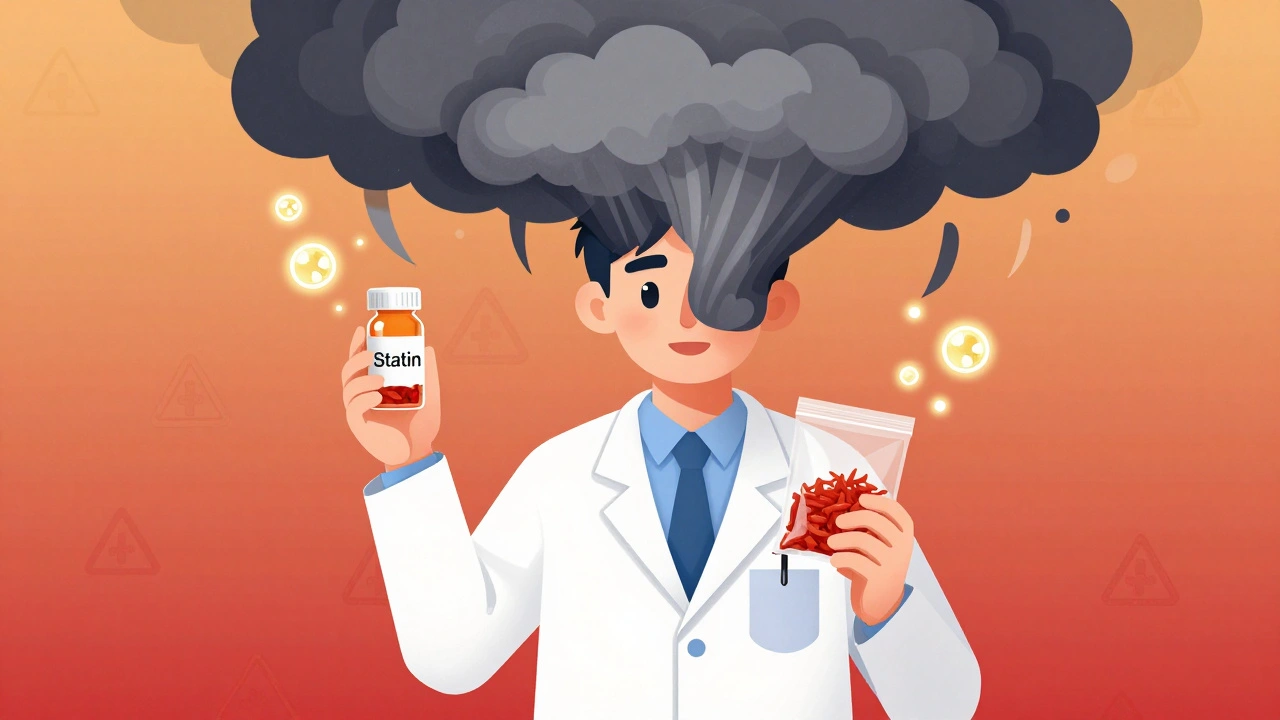
Take red yeast rice, a fermented rice product that naturally contains monacolin K, the same compound as the statin drug lovastatin. It can lower LDL cholesterol, but because it’s sold as a supplement, there’s no standard dose. One bottle might have enough to work. Another might be empty—or worse, contaminated. The FDA has warned about this before. Then there’s plant sterols, natural compounds added to margarines and supplements that block cholesterol absorption in the gut. These actually have solid science behind them. Studies show they can drop LDL by 10% or more when taken daily with meals. But they won’t help if you’re not eating them with fat—because they need fat to work.
Fish oil, a source of omega-3 fatty acids EPA and DHA. Also known as omega-3 supplements, it doesn’t lower LDL much, but it does reduce triglycerides, which matter too. High triglycerides are a hidden risk for heart disease, especially if you’re diabetic or overweight. The catch? You need high doses—often 2 to 4 grams a day—to see any effect. Most over-the-counter capsules won’t cut it. And if you’re on blood thinners, fish oil can increase bleeding risk. That’s why you can’t just grab any bottle off the shelf and assume it’s safe.
Then there’s the big gap: no supplement replaces lifestyle changes. Eating more fiber, moving daily, and cutting refined carbs do more for your cholesterol than any pill you can buy without a prescription. And here’s something most people miss—some supplements interfere with your meds. Red yeast rice can stack with statins and cause muscle damage. Garlic supplements can thin your blood. Even high-dose niacin, once a common treatment, can spike blood sugar and damage your liver.
What you’ll find in the posts below aren’t marketing fluff or vague advice. These are real, practical breakdowns of what’s actually backed by science—and what’s just noise. You’ll see how cholesterol supplements interact with medications like statins, why some people see no benefit, and how to tell if a product is worth your money. You’ll also learn what to ask your pharmacist before buying anything labeled "natural" or "heart-healthy." No guesses. No hype. Just what you need to know to protect your health without wasting time or money.
Red yeast rice contains the same active ingredient as statins, making it dangerous to take together. Learn why combining them raises your risk of muscle damage and liver injury-and what safer alternatives exist.