Contact Dermatitis: Causes, Triggers, and How to Avoid Skin Reactions
When your skin turns red, itches, or blisters after touching something harmless—like soap, jewelry, or even your own lotion—you’re likely dealing with contact dermatitis, a skin inflammation triggered by direct contact with an irritant or allergen. Also known as allergic contact dermatitis when caused by an immune response, it’s not contagious but can be painfully persistent. Unlike a random rash, this one has a clear trigger—and once you know what it is, you can usually avoid it.
There are two main types: irritant dermatitis, the most common form, caused by repeated exposure to harsh chemicals like detergents or solvents, and allergic contact dermatitis, a delayed immune reaction to substances like nickel, poison ivy, or certain fragrances. Both look similar—red, swollen, itchy skin—but the second one can flare up days after exposure, making it harder to trace. Many people don’t realize their daily habits are the problem: washing hands too much, wearing cheap jewelry, using scented lotions, or even handling wet wipes with preservatives.
What makes contact dermatitis tricky is that it doesn’t always show up where you think. You might think your rash is from laundry detergent, but it’s actually from the metal snap on your jeans. Or you blame your new shampoo, but it’s the fragrance in your hand soap you’ve used for years. The skin barrier gets worn down over time, making you more sensitive. This is why people with eczema or dry skin are at higher risk. And yes, even natural ingredients like tea tree oil or essential oils can trigger reactions in sensitive individuals.
Doctors often use patch tests to find the culprit, but you can start by tracking what you touch before a flare-up. Keep a simple log: what you touched, when, and how your skin reacted. Swap out one product at a time—your shampoo, your detergent, your gloves—and see if things improve. Many cases clear up once you stop the trigger. No pills needed. No steroids unless it’s severe.
What you’ll find in the posts below are real, practical guides on how to spot hidden triggers, avoid dangerous combinations in everyday products, and protect your skin without overhauling your life. From how antihistamines affect your skin’s response to how to check active ingredients in skincare, these posts cut through the noise. You won’t find fluff here—just clear steps to stop the itching, prevent flare-ups, and understand what’s really going on with your skin.
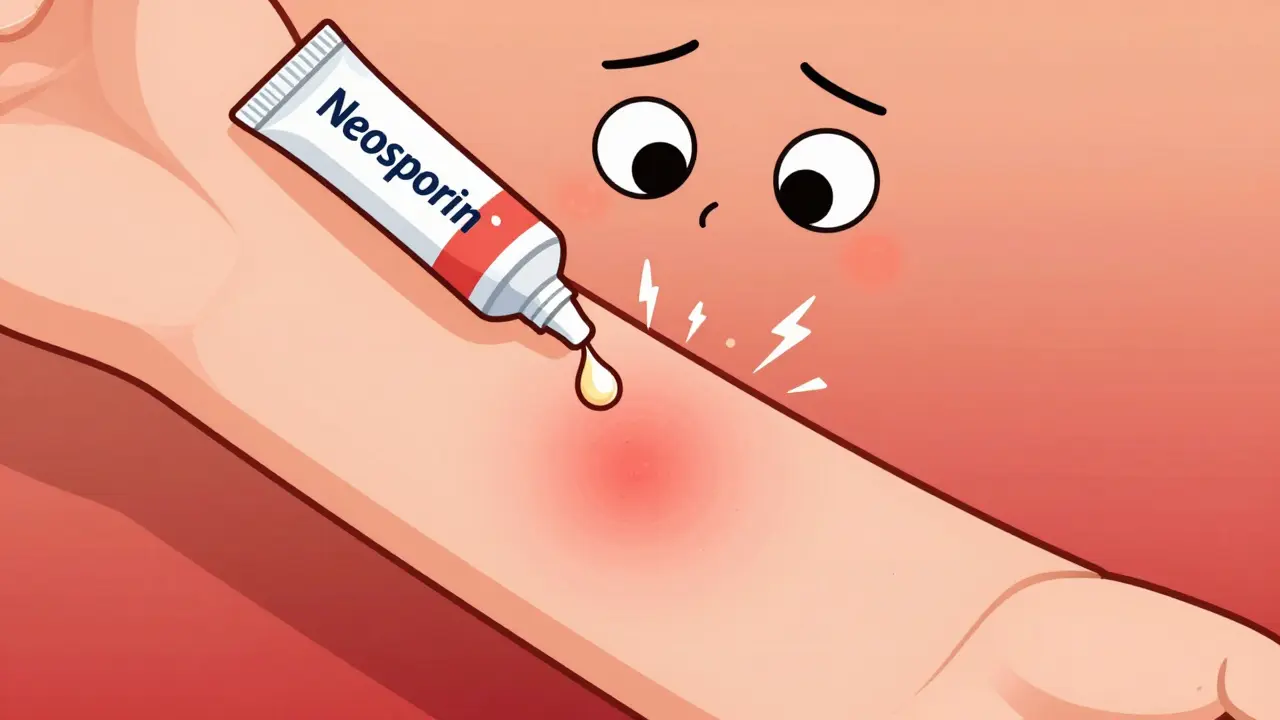
Topical medication allergies cause stubborn rashes that worsen with treatment. Learn how to spot contact dermatitis, which drugs are most likely to trigger it, and how patch testing can finally bring relief.
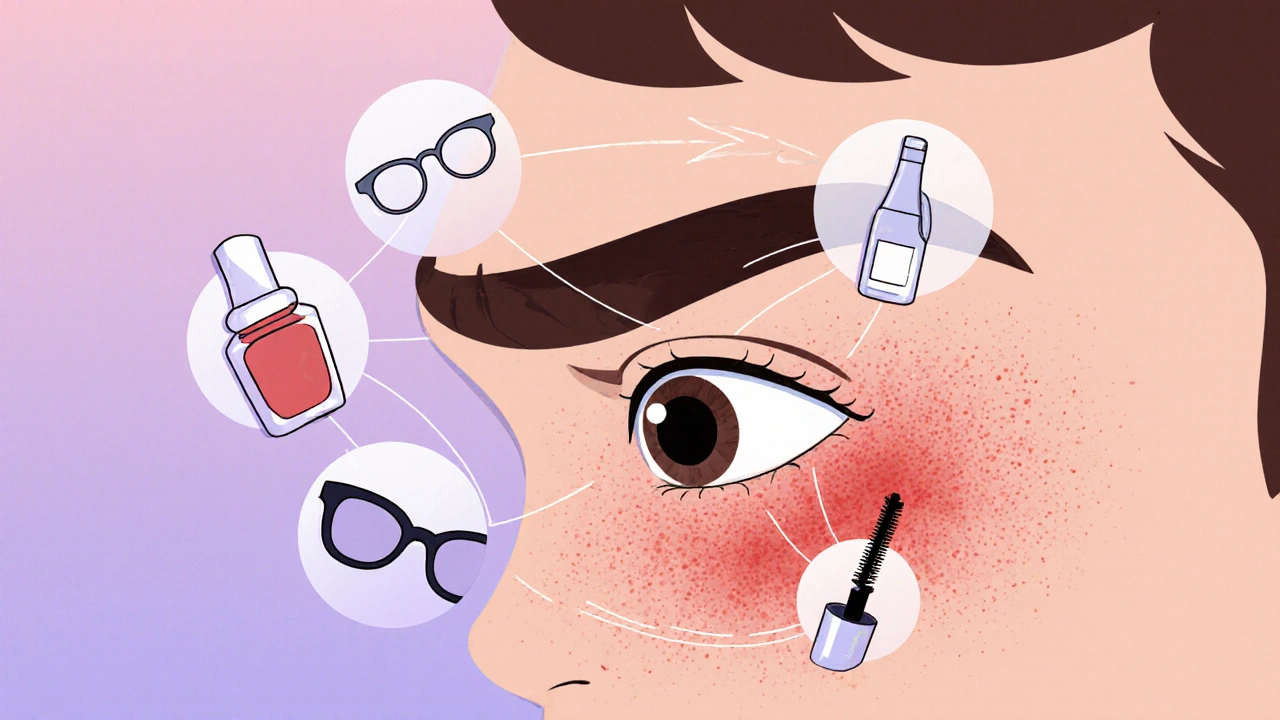
Eyelid dermatitis is often caused by hidden allergens in cosmetics, nail polish, or shampoos. Learn the top triggers, why patch testing is essential, and how to treat it safely without damaging delicate eyelid skin.