CYP2D6: How This Enzyme Affects Your Medications and Why It Matters
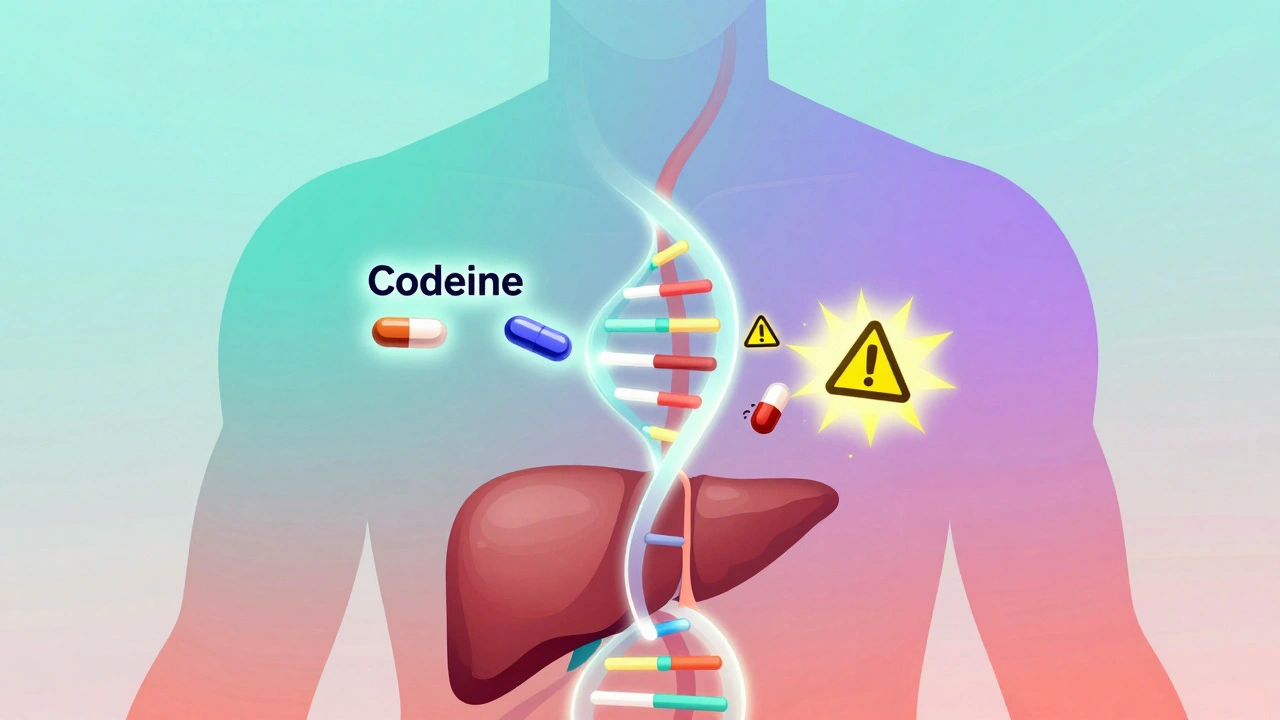
When you take a pill, your body doesn’t just absorb it—it CYP2D6, a liver enzyme responsible for breaking down over 25% of commonly prescribed drugs. Also known as cytochrome P450 2D6, it's one of the most important players in how your body handles medications. If CYP2D6 works too fast, your drug might not last long enough to help. If it’s too slow, the drug builds up and can cause serious side effects. This isn’t guesswork—it’s biology, and your genes decide how it works.
That’s where pharmacogenomics, the study of how genes affect drug response comes in. Some people are born with extra copies of the CYP2D6 gene and break down drugs like codeine, antidepressants, and beta-blockers way too quickly. Others have little to no activity—making them at risk for overdose even at normal doses. This isn’t rare. Up to 1 in 10 people of European descent are poor metabolizers. And it’s not just about pills—medication side effects, like dizziness, nausea, or heart rhythm problems—often trace back to how CYP2D6 handles the drug.
You won’t know your CYP2D6 type unless you get tested. But if you’ve had bad reactions to antidepressants, pain meds, or heart drugs—and your doctor couldn’t explain why—you might be one of them. The good news? You don’t need to guess anymore. Tests are available, and more doctors are starting to use them before prescribing. This isn’t science fiction—it’s becoming standard practice for drugs like tamoxifen, fluoxetine, and oxycodone.
Below, you’ll find real stories and science-backed guides on how CYP2D6 affects everyday medications. From why some people get sick on standard doses of antidepressants to how genetic differences make statins or painkillers unsafe for some but not others. You’ll see how timing, drug combinations, and even over-the-counter supplements can interfere with this enzyme. No jargon. No fluff. Just clear, practical info that helps you ask the right questions and avoid dangerous mistakes.
Pharmacogenomics reveals how your genes affect drug responses, helping prevent dangerous interactions - especially when taking multiple medications. Learn how genetic testing can reduce side effects and improve safety.