First Generic Approvals: How Generic Drugs Changed Healthcare Forever
When the first generic approvals, the official FDA authorizations allowing drug manufacturers to sell chemically identical versions of brand-name medicines after patent expiration. Also known as generic drug market entry, these approvals broke the monopoly of pharmaceutical giants and made life-saving drugs affordable for millions. Before 1984, if you needed a drug like ibuprofen or amoxicillin, you paid whatever the brand-name maker charged. Then came the Hatch-Waxman Act, a U.S. law that created the modern pathway for generic drug approval by balancing patent protection with competition. This wasn’t just a policy tweak—it rewrote the rules of medicine. Suddenly, companies could file for approval without repeating every expensive clinical trial. All they had to prove was that their version worked the same way in the body. The result? Prices dropped overnight.
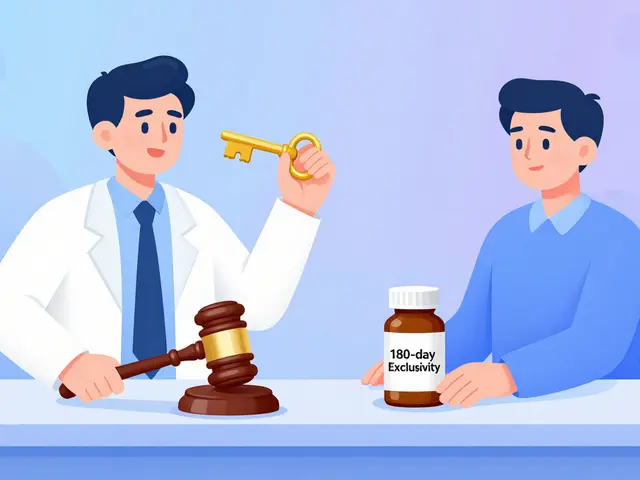
The FDA drug approval, the process by which the U.S. Food and Drug Administration evaluates whether a drug is safe and effective for public use. for generics became a race—not for innovation, but for speed and cost. The first company to file often got 180 days of exclusive rights to sell the generic version. That’s why you’ll see multiple brands of the same pill on the shelf: each one came from a different company that jumped through the same regulatory hoops. This system didn’t just lower prices—it created a whole new industry. Today, over 90% of prescriptions in the U.S. are filled with generics. That’s not luck. It’s the direct result of those early approvals.
But it wasn’t smooth sailing. Early generics faced skepticism. Some doctors worried they weren’t as good. Patients feared they didn’t work the same. The truth? The FDA requires generics to match brand-name drugs in strength, purity, and how fast they’re absorbed. The only differences are in color, shape, or inactive ingredients—things that don’t affect how the drug works. Over time, real-world data proved it: generics saved billions without sacrificing safety. In fact, studies show patients on generics are just as likely to stick with their treatment as those on brand-name drugs.
Today, the legacy of those first generic approvals is everywhere. From insulin to blood pressure pills, from antibiotics to antidepressants—most of what you take today is a generic. And the fight continues. New policies aim to speed up approval even more, while others try to stop price spikes when only one company makes a generic. But the foundation? It was laid in the 1980s, when regulators decided that medicine shouldn’t be a luxury. What you’re holding in your hand right now? It’s the result of that decision.
Below, you’ll find real stories and deep dives into how generics affect your life—from price swings and pharmacy switches to how they’re made, regulated, and sometimes, how they fail. Whether you’re paying out of pocket, on Medicare, or just trying to understand why your pill looks different this month, these articles give you the facts without the fluff.
The FDA's 2023-2025 updates to generic drug approval are reshaping how medicines are made and accessed in the U.S. Faster approvals for U.S.-made generics are reducing shortages-but at a cost.