Generic Drug Prices: How They’re Set, Why They’re Low, and How to Save
When you pick up a generic drug, a non-brand version of a medication that contains the same active ingredient as the name-brand version. Also known as generic medications, it works just like the brand-name version but often costs 80% less. That’s not magic—it’s the result of smart market rules, not price caps. The U.S. doesn’t tell pharmacies what to charge for generics. Instead, it lets competition do the work. Once a brand-name drug’s patent expires, dozens of companies can make the same pill. That flood of options drives prices down fast—sometimes to pennies per dose.
How does this actually play out in your pocket? Take atorvastatin, the generic version of Lipitor, a cholesterol-lowering drug. A 30-day supply might cost $10 at Walmart or $4 at Costco. Compare that to the brand version, which could run $150 or more. This isn’t rare. combination generics, pills that bundle two or more medications into one, like blood pressure combos with astatin and lisinopril, make it even easier to cut costs without sacrificing care. These are the same drugs your doctor prescribes, just cheaper. And they’re not just for heart conditions—there are generic versions of antidepressants, diabetes meds, and even asthma inhalers.
But here’s the catch: not all pharmacies charge the same. Some mail-order services offer 90-day supplies for less than a 30-day refill at your local store. Others run $4 lists for common generics. That’s why splitting your prescriptions—using mail-order for maintenance drugs and your local pharmacy for on-demand meds—can save you hundreds a year. Pharmacists aren’t just pill dispensers; they’re free cost advisors. Ask them if there’s a cheaper generic, if a 90-day supply is available, or if a different formulation (like a tablet instead of a capsule) cuts the price.
Government policies play a quiet but powerful role. Medicare Part D negotiates prices indirectly by favoring lower-cost generics in its formularies. Insurance companies push generics because they save money. And pharmacies? They make more profit on generics than brand drugs, so they’re happy to stock them. It’s a system built to push prices down—not by law, but by volume, competition, and smart incentives.
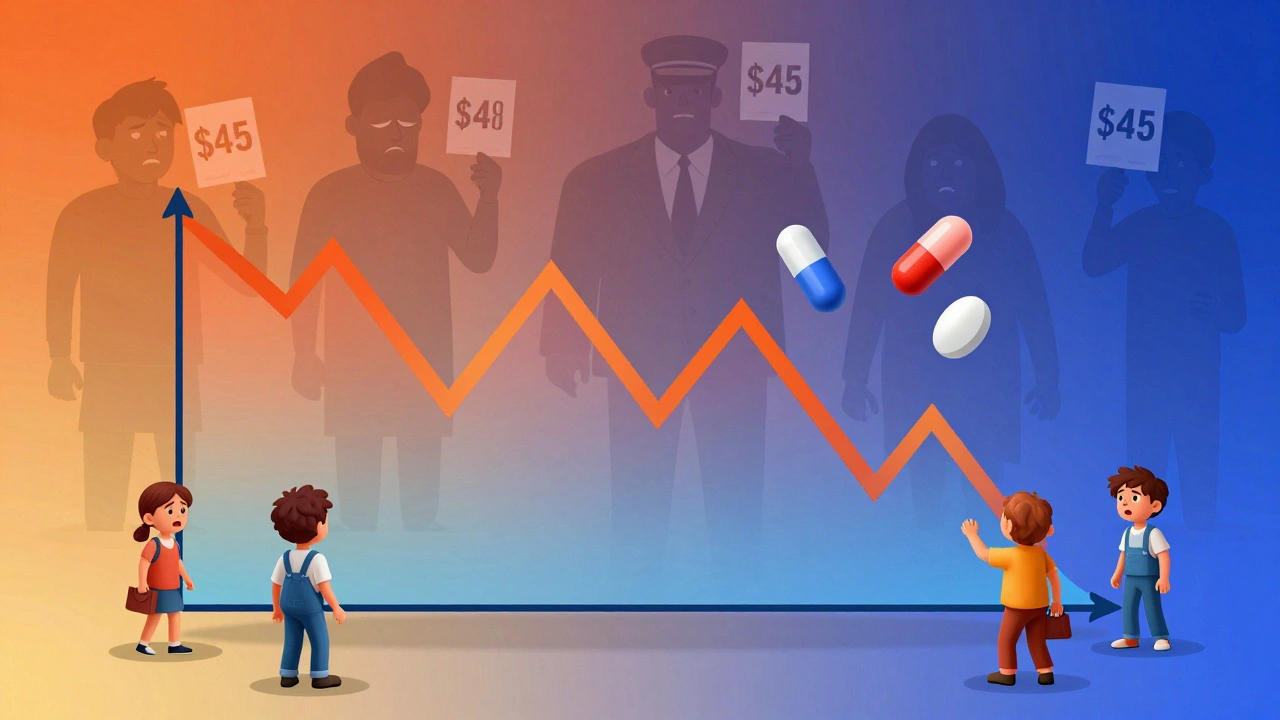
Still, you’ll see price swings. A generic might drop to $3 one month, then jump to $12 the next. That’s often due to supply shortages, manufacturer changes, or regional pricing differences. But the trend stays clear: generics are meant to be affordable. The real question isn’t why they’re cheap—it’s why more people don’t use them smarter.
Below, you’ll find real guides on how to navigate this system. Learn how to avoid double dosing with generics, how to use mail-order and local pharmacies together, how government rules keep prices low, and how to spot when a generic might not be right for you. These aren’t theoretical tips—they’re tools people use every day to cut their medication bills without risking their health.
Generic drug prices have dropped overall since 2008, but year-by-year volatility affects millions. Some generics spike 1,000%+ due to lack of competition. Learn why prices change and how to protect yourself.