Genetic Drug Response: How Your DNA Affects Medication Safety and Effectiveness
When you take a pill, your body doesn’t treat it the same way it treats everyone else’s. That’s because of genetic drug response, how your inherited DNA influences how your body processes and reacts to medications. Also known as pharmacogenomics, it explains why some people get sick from standard doses while others need way more to feel any effect. This isn’t science fiction—it’s why your grandma can’t take the same blood thinner as your cousin, and why your Adderall might make you jittery while your friend sleeps through it.
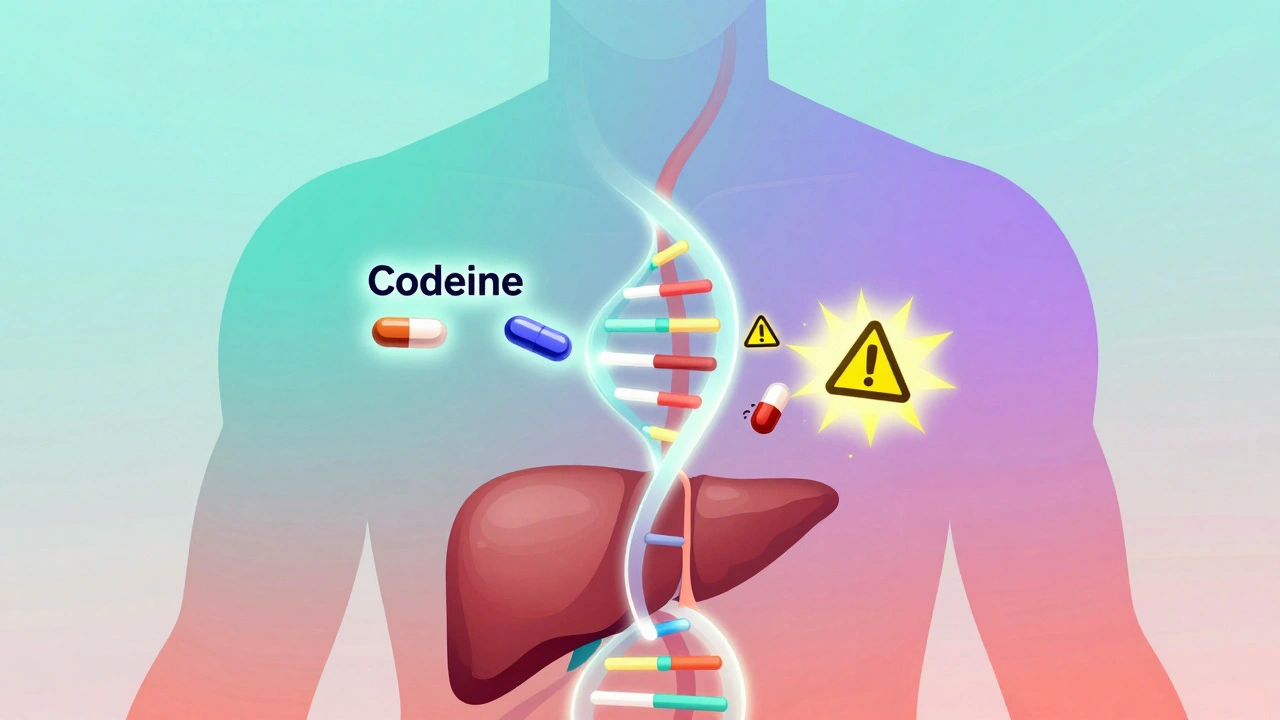
It all comes down to enzymes in your liver, especially the CYP450 family. These are the workers that break down drugs. Some people have gene variants that make them slow metabolizers—drugs build up and cause toxicity. Others are ultra-rapid metabolizers—drugs vanish before they can help. Take clozapine, for example. A person with certain gene variants needs lower doses to avoid dangerous side effects. Or warfarin: one wrong dose can lead to a stroke or internal bleeding, and your genes are a big part of what that right dose should be. Even something as simple as codeine becomes risky if you’re a fast metabolizer—it turns into morphine too quickly, risking overdose. These aren’t rare cases. Studies show over 90% of people carry at least one gene variant that affects how they respond to common drugs.
And it’s not just about liver enzymes. Your genes also control how drugs bind to receptors in your brain, heart, and kidneys. That’s why antidepressants like SSRIs work for some people but leave others feeling numb or worse. Why beta-blockers lower blood pressure for one person but cause fatigue in another. Why some people get severe skin reactions to allopurinol while others take it for years with no issue. These aren’t random side effects—they’re predictable outcomes written into your DNA. The good news? Doctors can now test for these variants. Not every clinic does it yet, but when they do, it cuts down trial-and-error prescribing, prevents hospitalizations, and saves lives.
Below, you’ll find real-world examples of how genetic drug response plays out in everyday medicine—from statins and antipsychotics to sleep aids and pain meds. You’ll learn why some drugs are dangerous for certain people, how to spot if your body’s reacting oddly to a prescription, and what questions to ask your doctor before you fill that next bottle. This isn’t about genetics being destiny. It’s about using what your body tells you to take better control of your health.
Pharmacogenomics reveals how your genes affect drug responses, helping prevent dangerous interactions - especially when taking multiple medications. Learn how genetic testing can reduce side effects and improve safety.