Insomnia in Older Adults: Causes, Risks, and Safe Solutions
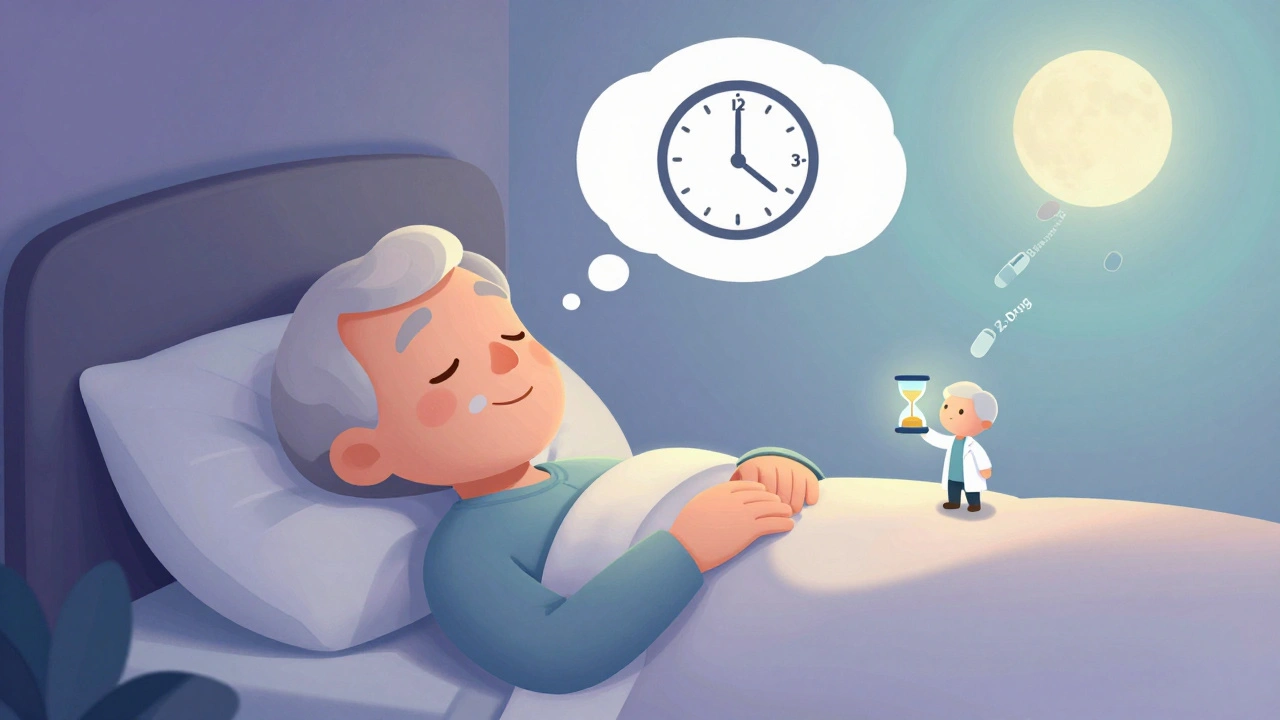
When insomnia in older adults, a persistent inability to fall or stay asleep despite adequate opportunity. It's not a normal part of aging—but it affects nearly half of people over 65. This isn't just about tossing and turning. Poor sleep in seniors increases the risk of falls, confusion, depression, and even heart problems. Many turn to sleep aids, but those often make things worse—especially when mixed with other meds for blood pressure, pain, or anxiety.
circadian rhythm, the body's internal clock that regulates sleep-wake cycles shifts as we age. Older adults often feel sleepy early in the evening and wake up too early in the morning. This isn’t laziness—it’s biology. Light exposure, daily routine, and even medications can throw it off. A 70-year-old taking a sedating antihistamine for allergies might not realize they’re sabotaging their sleep. Same goes for nighttime pain meds or diuretics that force bathroom trips. And if they’re on multiple prescriptions, medication safety, the practice of using drugs correctly to avoid harm becomes critical. Many sleep problems in seniors come from drug interactions, not the sleep issue itself.
It’s also not just about pills. Lack of movement, too much screen time before bed, or skipping daylight exposure can all play a role. But here’s the good news: fixing it doesn’t always mean more drugs. Simple changes—like morning walks, cutting caffeine after noon, or using light therapy—can reset the body’s clock. And when meds are needed, safer options exist. Some antidepressants help sleep without the drowsiness or fall risk of older sleeping pills. Others, like melatonin, have limited use and aren’t as effective as people think.
What you’ll find below are real, practical articles that cut through the noise. You’ll learn how common drugs like antihistamines and opioids quietly wreck sleep. You’ll see how timing your meds matters more than you think. You’ll find out why some "natural" sleep aids are riskier than prescription ones. And you’ll see how people over 65 can take back their nights—not with magic pills, but with smart, science-backed choices.
Older adults with insomnia need safer sleep options. Learn which medications reduce fall risk and improve sleep without dangerous side effects - and why non-drug treatments like CBT-I work better long-term.