Lemborexant: What It Is, How It Works, and What You Need to Know
When you struggle to fall asleep or stay asleep, lemborexant, a prescription sleep medication that blocks wakefulness signals in the brain. Also known by its brand name Dayvigo, it's one of the newer options for treating insomnia, especially for people who have trouble staying asleep through the night. Unlike older sleep drugs that simply knock you out, lemborexant works by gently quieting the brain’s orexin system — the part that keeps you alert during the day. This makes it less likely to cause grogginess the next morning, and it doesn’t carry the same risk of dependency as benzodiazepines or z-drugs like zolpidem.
It’s part of a new class of drugs called orexin receptor antagonists, medications designed to target the brain’s natural sleep-wake cycle. Other drugs in this group include suvorexant, but lemborexant stands out because clinical trials showed it helps people fall asleep faster and stay asleep longer without significantly increasing next-day drowsiness. This matters if you drive to work, operate machinery, or just hate that foggy feeling after taking a sleeping pill. It’s also been studied in older adults, where sleep problems are common and side effects from traditional meds can be dangerous.
But it’s not a magic fix. Lemborexant still carries risks — like sleepwalking, confusion, or worsening depression — and shouldn’t be mixed with alcohol or other sedatives. It’s not meant for short-term use only; many people take it for months under a doctor’s watch. If you’ve tried melatonin, sleep hygiene tricks, or even CBT-I (cognitive behavioral therapy for insomnia) and still can’t get rest, lemborexant might be an option worth discussing. It’s not the first line of defense, but for some, it’s the one that finally works without leaving them feeling drugged.
What you’ll find in the posts below is a practical look at how lemborexant fits into the bigger picture of sleep, medication safety, and long-term health. You’ll see how it compares to other sleep aids, what warnings appear on its label, how timing affects its effects, and why some people stop using it. You’ll also find connections to broader topics like drug interactions, aging and sleep, and how to manage medications without losing control of your daily life. This isn’t just a drug profile — it’s a guide to making smarter choices when sleep feels out of reach.
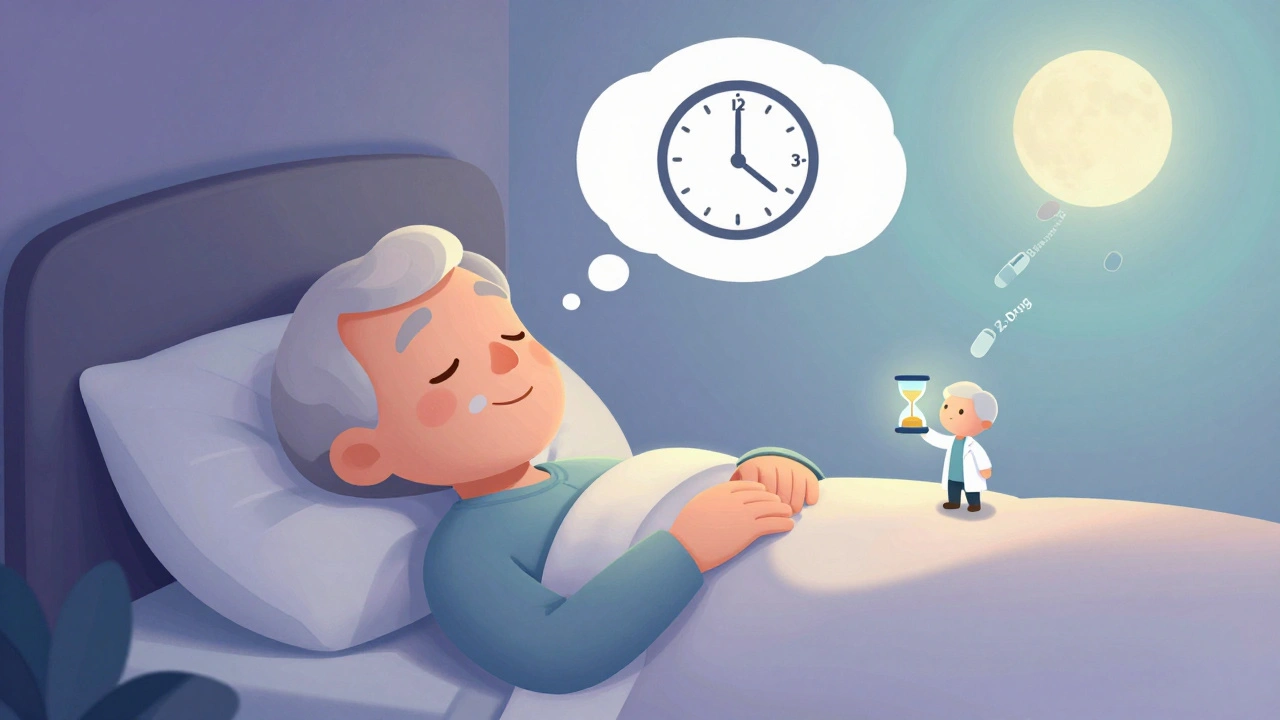
Older adults with insomnia need safer sleep options. Learn which medications reduce fall risk and improve sleep without dangerous side effects - and why non-drug treatments like CBT-I work better long-term.