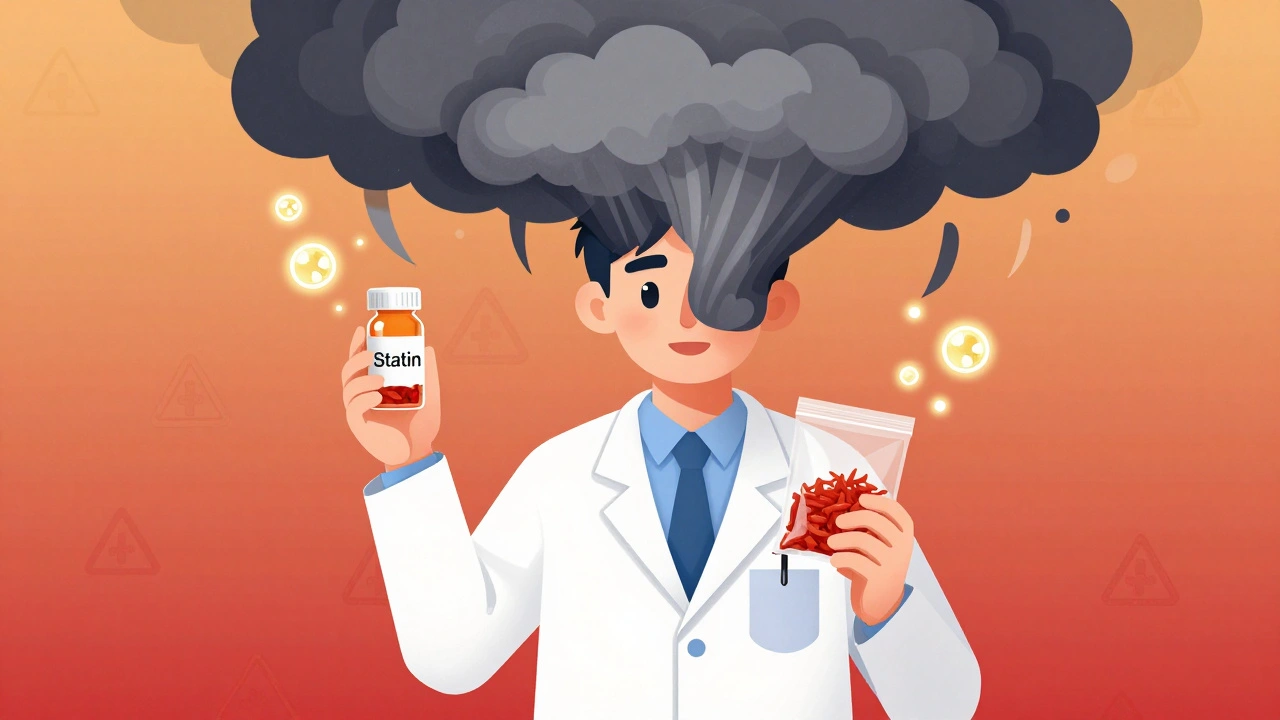
Monacolin K: What It Is, How It Works, and What You Need to Know
When you hear monacolin K, a naturally occurring compound found in fermented red yeast rice that acts similarly to prescription statins by inhibiting cholesterol production in the liver. Also known as lovastatin, it’s the active ingredient that makes red yeast rice a popular choice for people trying to lower their cholesterol without a prescription. But here’s the catch: even though it’s sold as a supplement, monacolin K isn’t harmless. It works the same way as the drug lovastatin, which means it can cause the same side effects — muscle pain, liver stress, and dangerous interactions with other meds.
Many people turn to red yeast rice, a traditional Chinese food and supplement made by fermenting rice with the yeast Monascus purpureus. Also known as angkak, it’s been used for centuries for digestion and circulation because it sounds natural and safe. But not all red yeast rice products are created equal. Some contain high, consistent levels of monacolin K — enough to lower LDL cholesterol by 20% or more. Others have so little that they’re practically useless. And some are contaminated with citrinin, a toxic mold byproduct. The FDA has even warned companies for selling red yeast rice products that are essentially unapproved statins in disguise.
People looking for statin alternatives, options to lower cholesterol without prescription drugs like atorvastatin or simvastatin often land on monacolin K because it’s cheaper and easier to get. But it’s not a magic fix. If you’re already on blood pressure meds, antifungals, or grapefruit juice, mixing it with monacolin K can spike your risk of muscle damage. And if you have liver disease or take other cholesterol-lowering drugs, you could be putting yourself in danger. The same goes for older adults — the risk of side effects goes up with age.
What’s missing from most supplement labels? Clear dosing. One capsule might have 5mg of monacolin K. Another might have 0.5mg. There’s no standard. That’s why some people see results and others don’t. If you’re serious about lowering cholesterol, you need to know exactly how much monacolin K you’re getting — and whether your doctor is okay with it. The American Heart Association doesn’t recommend red yeast rice as a first-line treatment, but they do say it’s worth discussing if you can’t tolerate statins.
What you’ll find in the articles below aren’t marketing claims or vague wellness tips. These are real, practical breakdowns of how monacolin K fits into the bigger picture of heart health, drug safety, and supplement regulation. You’ll see how it compares to prescription statins, why some people have bad reactions while others don’t, and how to spot a low-quality product before you buy. You’ll also learn about the hidden risks of combining it with other meds — like how taking it with certain antibiotics or antifungals can lead to serious muscle damage. And you’ll get straight answers on whether it’s safe to use if you’re over 65, have diabetes, or are already on blood thinners. This isn’t about hype. It’s about what actually works — and what could hurt you.
Red yeast rice contains the same active ingredient as statins, making it dangerous to take together. Learn why combining them raises your risk of muscle damage and liver injury-and what safer alternatives exist.