Pharmacogenomics: How Your Genes Affect Your Medications
When you take a pill, your body doesn’t treat it the same way everyone else’s does. That’s because of pharmacogenomics, the study of how your genes affect how your body responds to drugs. Also known as personalized medicine, it’s not science fiction—it’s already being used to decide who gets which blood thinner, which antidepressant, or even whether a cancer drug will work at all. Your DNA holds clues about how fast your liver breaks down meds, how your body absorbs them, and whether you’re likely to get a dangerous reaction. Two people can take the same dose of the same drug, and one might feel better while the other gets sick. That’s not bad luck—it’s biology.
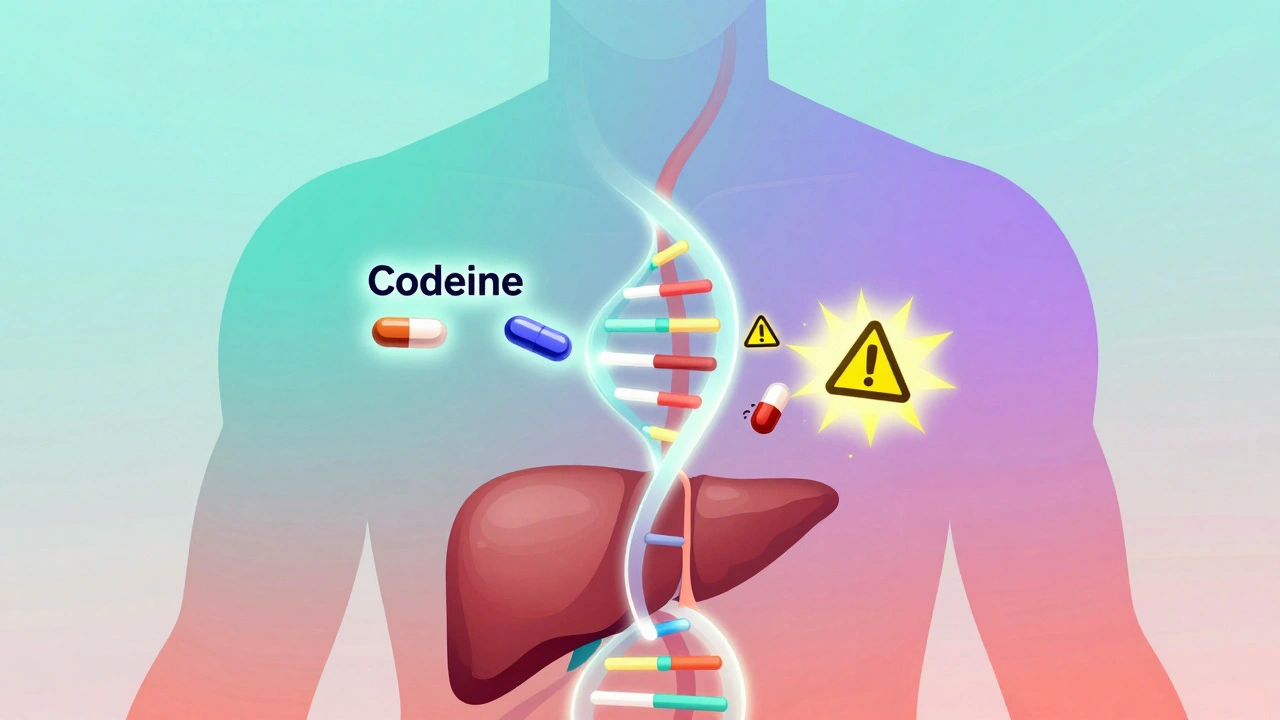
Pharmacogenomics ties directly to drug metabolism, how your body processes and eliminates medications. Genes like CYP2D6 and CYP2C19 act like switches that speed up or slow down how quickly drugs like codeine, clopidogrel, or antidepressants are broken down. If you’re a slow metabolizer, you might build up too much of a drug and suffer side effects. If you’re a fast one, the drug might not work at all. This isn’t theoretical. The FDA lists over 200 drugs with pharmacogenomic information in their labels. And it’s not just about side effects—it’s about effectiveness. A heart patient on clopidogrel who’s a poor metabolizer has a much higher risk of another heart attack because the drug doesn’t activate properly in their body.
Then there’s gene-drug interactions, how specific genetic variations make certain drugs risky or useless for some people. For example, people with a certain HLA-B*15:02 gene variant can have a life-threatening skin reaction to carbamazepine, an epilepsy and nerve pain drug. Testing for that gene before prescribing can prevent hospitalization. Similarly, some people with a specific variant of the VKORC1 gene need a much lower dose of warfarin to avoid bleeding. These aren’t rare cases—they’re common enough that labs now offer affordable genetic tests to guide prescriptions.
You won’t find pharmacogenomics on every doctor’s chart yet—but you will see its impact in the real world. The posts below show how this science connects to everyday medication issues: why some people can’t tolerate certain statins, how clozapine dosing depends on genetics, why some seniors react badly to antipsychotics, and how drug interactions like red yeast rice and statins aren’t just about ingredients but how your body handles them. You’ll also find practical advice on reading labels, avoiding double dosing, and understanding why timing matters. This isn’t just about genes in a lab. It’s about why your pill works—or doesn’t—and what you can do about it.
Pharmacogenomics reveals how your genes affect drug responses, helping prevent dangerous interactions - especially when taking multiple medications. Learn how genetic testing can reduce side effects and improve safety.