Ramelteon: What It Is, How It Works, and What You Need to Know
When you struggle to fall asleep night after night, your brain isn’t broken—it’s just out of sync. Ramelteon, a prescription sleep medication that mimics the body’s natural melatonin signal to help reset the sleep-wake cycle. Also known as a melatonin receptor agonist, it doesn’t sedate you like benzodiazepines or sleep aids such as zolpidem. Instead, it tells your brain it’s time to wind down by binding to the same receptors that respond to your own melatonin. This makes it one of the few sleep medications approved for long-term use in people with trouble falling asleep, not just staying asleep.
Ramelteon works differently from most sleep pills because it doesn’t affect your entire nervous system. It targets only the MT1 and MT2 receptors in your brain’s internal clock, the suprachiasmatic nucleus. That’s why it’s often recommended for people with circadian rhythm disorders—like delayed sleep phase syndrome—or those who have trouble falling asleep after shift work or jet lag. Unlike melatonin supplements, which can vary wildly in dose and purity, ramelteon is a precise, FDA-approved drug with consistent effects. It’s also not habit-forming, doesn’t cause next-day grogginess in most people, and has a low risk of dependency, which is why doctors often suggest it as a first-line option for chronic insomnia.
But it’s not a magic fix. Ramelteon only helps you fall asleep faster—it won’t keep you asleep all night. That’s why it’s often paired with good sleep hygiene: dark room, no screens an hour before bed, consistent bedtime. It also doesn’t work if you take it too late or after eating a heavy meal. The best results come when you take it 30 minutes before your target sleep time, ideally in a quiet, cool environment. If you’re on other medications, especially ones that affect liver enzymes like fluvoxamine, ramelteon can build up in your system and cause dizziness or fatigue. Always check with your doctor before combining it with antidepressants, antifungals, or even some herbal sleep aids.
People often confuse ramelteon with melatonin supplements or sleeping pills like Ambien. But ramelteon is more like a gentle nudge to your body’s natural rhythm, not a chemical knock-out. That’s why it’s a go-to for older adults, people with anxiety about sleep, or those avoiding stronger sedatives. It’s also one of the few sleep medications safe for long-term use without tolerance buildup. If you’ve tried over-the-counter options and they didn’t help—or made you feel foggy the next day—ramelteon might be the next step worth discussing with your provider.
Below, you’ll find real-world insights from people who’ve used ramelteon, comparisons with other sleep treatments, and warnings about what to avoid. Whether you’re just starting to explore sleep aids or have been struggling for years, these posts give you the practical, no-fluff details you need to make smarter choices about your sleep—and your health.
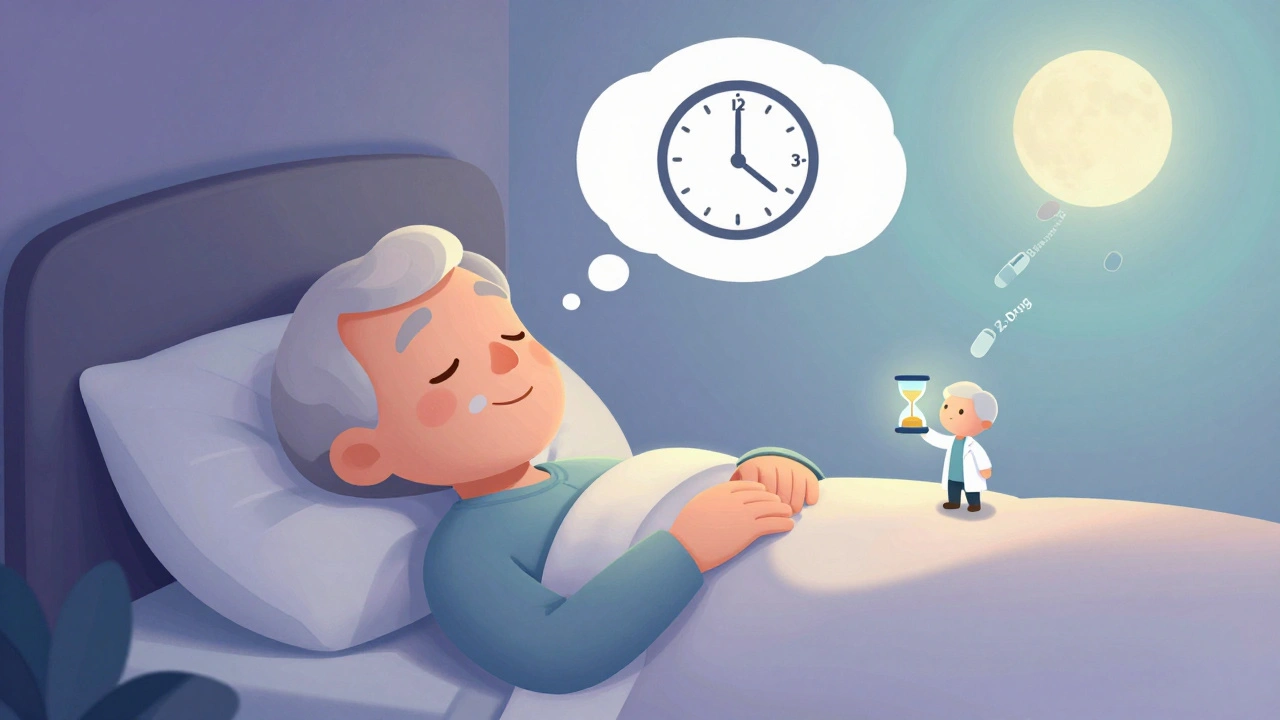
Older adults with insomnia need safer sleep options. Learn which medications reduce fall risk and improve sleep without dangerous side effects - and why non-drug treatments like CBT-I work better long-term.