
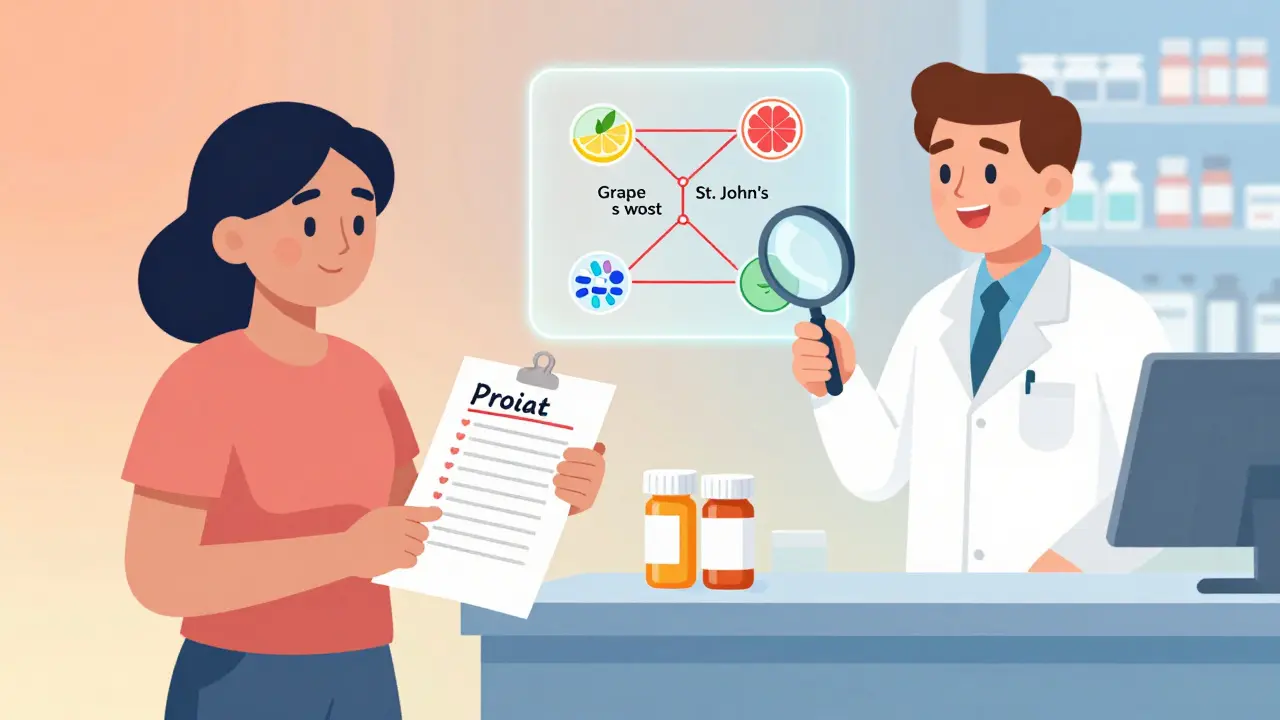
Most people know to tell their doctor about the medications they take. But how many of them mention the vitamin D pill, the fish oil capsule, or the green tea extract they swallow every morning? If you’re taking prescription drugs and also use supplements-or even just eat grapefruit with your breakfast-you’re at risk for hidden, dangerous interactions. And your pharmacist is the one person who can catch them.
Why Your Pharmacist Is Your Best Bet for Safety
Pharmacists aren’t just the people who hand you your pills. They’re trained to spot how what you eat, drink, or take as a supplement can mess with your medications. The FDA doesn’t test supplements before they hit the shelf. That means a product labeled "natural" could still interfere with your blood pressure drug, blood thinner, or antidepressant. And it’s not just supplements-foods like grapefruit, dairy, and even leafy greens can change how your meds work.Here’s the reality: 52% of American adults take dietary supplements. That’s over 130 million people. And nearly 1 in 4 of those people are also on prescription drugs. Yet, most never tell their pharmacist. A 2025 study showed that only 6.7% of pharmacists were even asked about supplement use during routine visits. That’s not because patients don’t use them-it’s because they don’t think it matters.
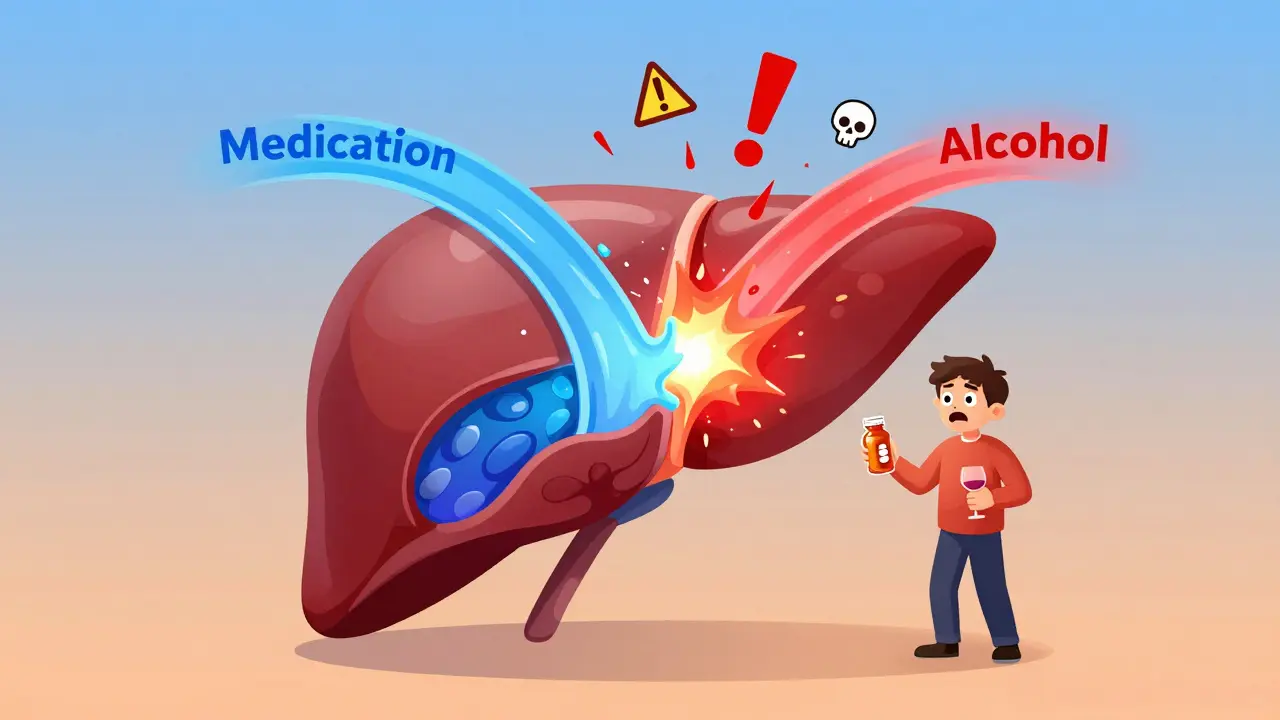
But it does. St. John’s wort, for example, can make birth control fail, reduce the effect of antidepressants, or trigger serotonin syndrome when mixed with SSRIs. Goldenseal can interfere with liver enzymes that break down over 50% of common medications. And grapefruit? It can turn a safe dose of a statin into a toxic one, raising your risk of muscle damage.
What You Need to Bring to Your Appointment
Don’t rely on memory. Write it down. Bring a list of everything you take, including:- Every supplement: vitamins, minerals, herbs, probiotics, protein powders
- Brand names and dosages (e.g., "Nature Made Omega-3 1000 mg, once daily")
- How often you take each one
- Any over-the-counter meds: pain relievers, sleep aids, cold pills
- Your typical diet: Do you eat grapefruit every morning? Drink milk with your pills? Eat a lot of kale or spinach?
Don’t skip the "little" stuff. Even something like a daily multivitamin can contain iron, calcium, or magnesium-all of which can block absorption of antibiotics, thyroid meds, or osteoporosis drugs if taken at the same time.
High-Risk Supplements and Foods to Mention
Some interactions are well-documented and dangerous. Don’t wait for your pharmacist to ask-name these upfront:- St. John’s wort: Interacts with antidepressants, birth control, blood thinners, and heart meds. Can cause serotonin syndrome-a life-threatening condition.
- Goldenseal: Slows down how your liver processes drugs, leading to toxic buildup. Affects everything from blood pressure meds to chemotherapy.
- Ginkgo biloba: Increases bleeding risk, especially with warfarin, aspirin, or NSAIDs like ibuprofen.
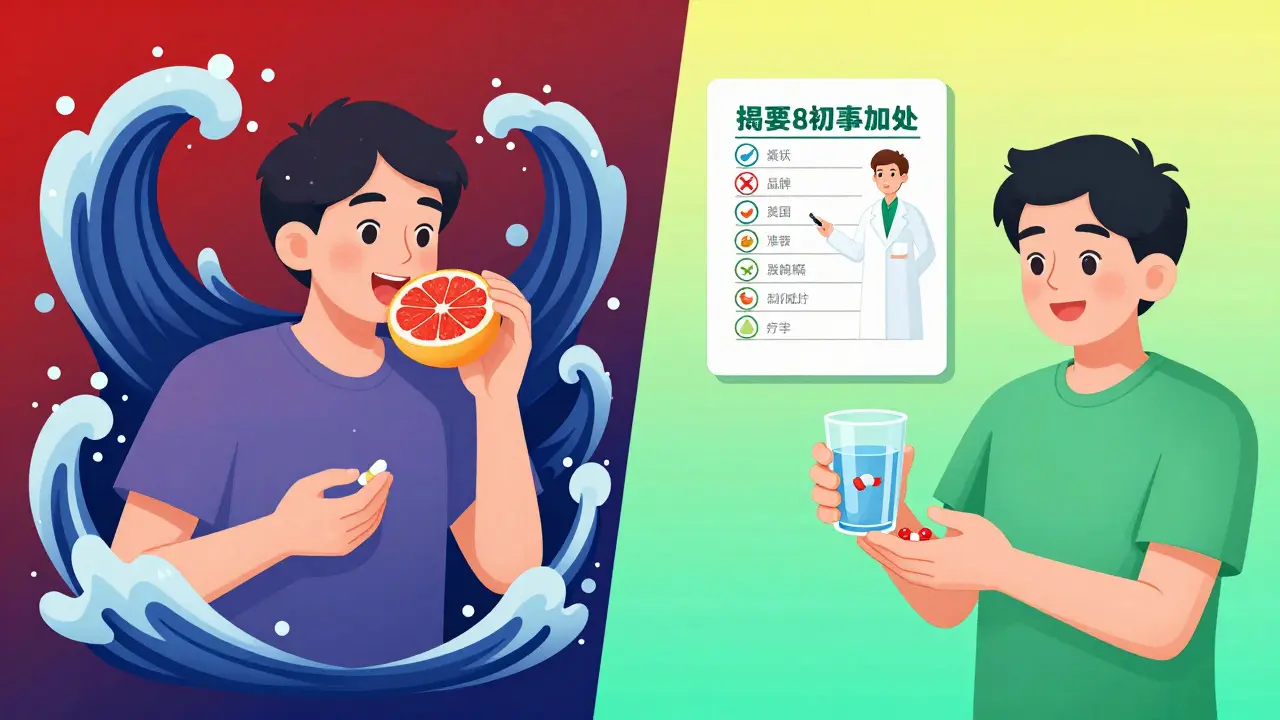
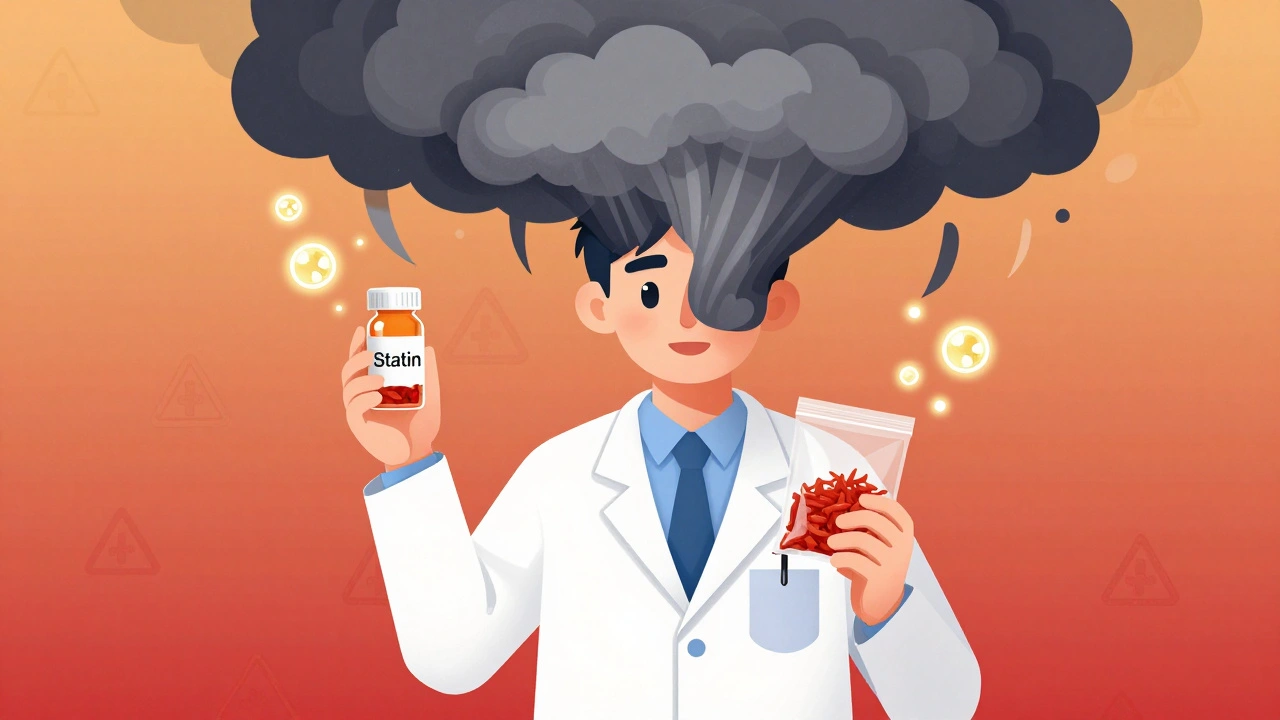
- Grapefruit and other citrus: Blocks enzymes that break down statins, calcium channel blockers, and some anti-anxiety drugs. One grapefruit can affect you for 72 hours.
- Dairy and calcium supplements: Can bind to antibiotics like ciprofloxacin or tetracycline, making them useless. Wait at least 2-4 hours between taking them.
- Vitamin K-rich foods (kale, spinach, broccoli): Can reduce the effect of warfarin. Consistency matters more than avoidance-eat the same amount daily.
Even "safe" supplements like milk thistle or saw palmetto can have hidden risks. Your pharmacist doesn’t assume they’re harmless-they check.
Medications That Drain Your Nutrients
Your meds might be robbing you of essential nutrients without you realizing it:- Proton pump inhibitors (PPIs) like omeprazole: Lower vitamin B12, magnesium, and calcium-leading to nerve damage, muscle cramps, or bone loss.
- Metformin: Depletes B12 and folate. Long-term users often develop numbness, tingling, or brain fog.
- Statins: Reduce coenzyme Q10, which can cause muscle pain and fatigue. Many patients feel better after adding CoQ10-after checking with their pharmacist.
- Diuretics: Drain potassium and magnesium. Can lead to irregular heartbeat or weakness.
- Oral contraceptives: Lower B6, B12, folate, and magnesium-linked to mood swings and headaches.
If you’re on any of these drugs, ask: "Could this be making me low in a certain vitamin or mineral? Should I take a supplement?" Your pharmacist can tell you what’s safe and what’s not.
When Timing Matters
It’s not just what you take-it’s when. Many interactions happen because people take things together out of convenience.For example:
- Take your thyroid medicine on an empty stomach, at least 30-60 minutes before breakfast. Calcium, iron, or soy can block absorption.
- Wait 2-4 hours after taking antibiotics like ciprofloxacin before eating yogurt or taking a calcium supplement.
- Don’t take magnesium or zinc with your iron pill-they compete for absorption.
- Take statins at night; they work better when your liver is most active.
Your pharmacist can map out a simple schedule for you. No guesswork. No risk.
What to Ask Your Pharmacist
Don’t be shy. These are smart, essential questions:- "Could any of my supplements interfere with my prescriptions?"
- "Is there a food I should avoid with this medicine?"
- "Should I take this with food or on an empty stomach?"
- "Could this medicine be causing me to lose nutrients?"
- "Are there any signs I should watch for if something’s not right?"
- "Do you recommend a third-party tested brand for this supplement?"
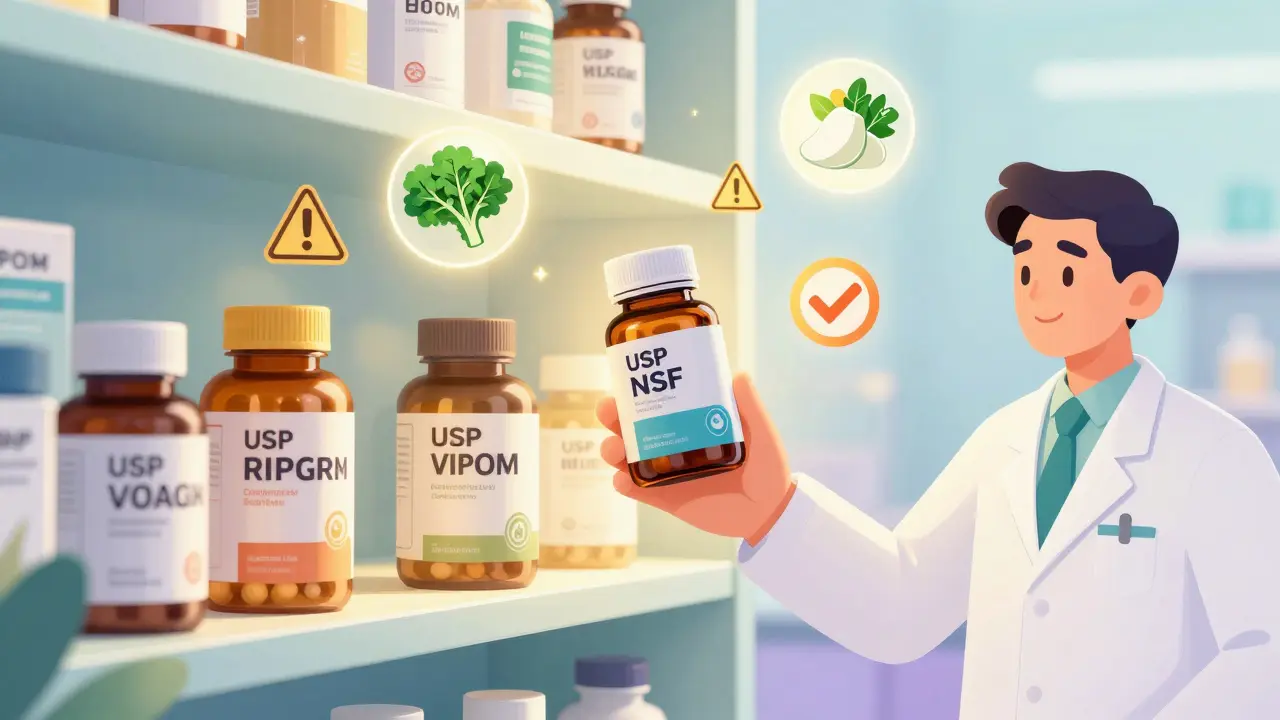
Third-party testing means the product was checked by organizations like USP, NSF, or ConsumerLab. It doesn’t guarantee safety-but it means the label actually matches what’s inside. Most supplements don’t have this. Ask for it.
What Not to Do
Avoid these common mistakes:- Don’t stop or start a supplement without talking to your pharmacist-even if it’s "natural."
- Don’t assume your doctor knows about your supplements. Most don’t ask.
- Don’t trust marketing claims like "clinically proven" or "doctor-recommended." Those mean nothing without evidence.
- Don’t wait until you feel sick to ask. Prevention is the point.
Pharmacists are trained to spot problems before they happen. Use them.
What’s Changing in 2025
Pharmacy systems are getting smarter. CVS and Walgreens now have built-in tools in their electronic records that flag supplement-drug interactions in real time. By 2027, 85% of community pharmacies will offer structured supplement counseling as part of routine care. That’s up from just 35% in 2023.And the FDA is pushing for new rules: the Dietary Supplement Listing Act of 2024 would require manufacturers to register every supplement with the FDA before selling it. That’s a big step toward accountability.
But until then, the burden is on you. You’re the only one who knows what’s in your medicine cabinet and your fridge. Your pharmacist can help you connect the dots-but only if you give them the full picture.
Final Thought: Be the Expert on Your Own Body
You wouldn’t let someone fix your car without telling them what kind of oil you use. Your body is the same. Supplements and food aren’t just "add-ons"-they’re part of your treatment plan. The more you share, the safer you are.Next time you pick up your prescription, pause. Pull out your list. Ask the questions. Your pharmacist is there for this. And you deserve to know exactly how everything you take affects you.
Should I tell my pharmacist about every supplement I take, even if it’s just a daily multivitamin?
Yes. Even a daily multivitamin can contain ingredients like calcium, iron, or vitamin K that interfere with medications. For example, calcium can block absorption of thyroid medicine or antibiotics. Your pharmacist needs the full list to spot potential conflicts.
Can grapefruit really make my blood pressure medicine dangerous?
Yes. Grapefruit blocks an enzyme in your liver that breaks down certain blood pressure drugs, like amlodipine and felodipine. This causes too much of the drug to build up in your system, which can lead to dangerously low blood pressure, dizziness, or even kidney damage. Even one grapefruit can have an effect for up to 72 hours.
Is it safe to take St. John’s wort with my antidepressant?
No. St. John’s wort can cause serotonin syndrome when taken with SSRIs like sertraline or fluoxetine. This is a life-threatening condition that causes high fever, rapid heart rate, confusion, and seizures. It’s one of the most dangerous supplement-drug interactions known. Never combine them without pharmacist approval.
How do I know if a supplement brand is trustworthy?
Look for third-party seals like USP, NSF, or ConsumerLab on the label. These organizations test supplements to confirm they contain what’s listed on the label and are free from harmful contaminants. The FDA doesn’t test supplements before they’re sold-so these seals are your best protection.
I take metformin. Should I be worried about vitamin B12 deficiency?
Yes. Long-term use of metformin can lower vitamin B12 levels in up to 30% of users. This can lead to numbness, tingling, memory problems, or anemia. Ask your pharmacist to check your B12 level and recommend a supplement if needed. Many people feel better after adding a B12 supplement-once it’s confirmed safe with their other meds.
Can I just stop taking a supplement if I’m worried about an interaction?
Not without checking. Some supplements, like magnesium or certain herbs, can cause withdrawal symptoms or worsen your condition if stopped suddenly. Others, like fish oil, may affect your blood clotting. Always talk to your pharmacist before stopping or changing anything.
Why don’t my doctors ask about my supplements?
Most doctors are pressed for time and aren’t trained in supplement pharmacology. Pharmacists, on the other hand, are experts in drug interactions and are required to review every medication and supplement you take. They’re the most accessible experts on this topic-so ask them.
Next steps: Make a list today. Bring it to your next pharmacy visit. Ask one question. That small step could prevent a hospital visit tomorrow.


Dave Alponvyr on 16 December 2025, AT 04:40 AM
Yeah right, like anyone actually brings a list to the pharmacy. I once showed up with a sticky note that said 'vitamins, whatever that green stuff is, and grapefruit' and the pharmacist just sighed and handed me my pills.