Supplement Interactions: What You Need to Know Before Mixing Vitamins and Medications
When you take a supplement interaction, a harmful or unexpected reaction between a dietary supplement and a medication. Also known as herbal-drug interactions, it can turn a safe daily vitamin into a serious health risk. Many people assume that because something is natural or sold over the counter, it’s harmless. But that’s not true. St. John’s wort can make your birth control fail. Vitamin K can undo the effect of your blood thinner. Even calcium supplements can block your thyroid medicine from working. These aren’t rare cases—they happen every day, often because no one asked the pharmacist or doctor.
Supplement interactions aren’t just about herbs. They include vitamin safety, how high doses of vitamins like A, D, or E can build up and cause toxicity when combined with prescription drugs. They cover herbal supplements, natural products like turmeric, ginkgo, or garlic that thin the blood and raise bleeding risk during surgery or with anticoagulants. And they include drug interactions, the broader category where supplements clash with anything from antibiotics to antidepressants. The real danger? These reactions don’t always show up right away. You might feel fine for weeks—until you get a fall, a stroke, or liver damage. The FDA doesn’t test supplements the same way it tests pills, so you’re often on your own to spot the red flags.
That’s why knowing what’s in your bottle matters. If you’re on blood pressure meds, a magnesium supplement might drop your pressure too far. If you’re taking antidepressants, tryptophan or 5-HTP could trigger serotonin syndrome. Even something as simple as grapefruit juice can wreck how your body processes cholesterol drugs. The good news? You don’t need to guess. Most of these risks are well-documented. The posts below show real cases—like how St. John’s wort interferes with antidepressants, why vitamin D can mess with kidney meds, and how iron supplements block antibiotics. You’ll learn how to read labels, talk to your pharmacist, and spot hidden dangers in your medicine cabinet. No fluff. No hype. Just what you need to keep yourself safe while taking what your body needs.
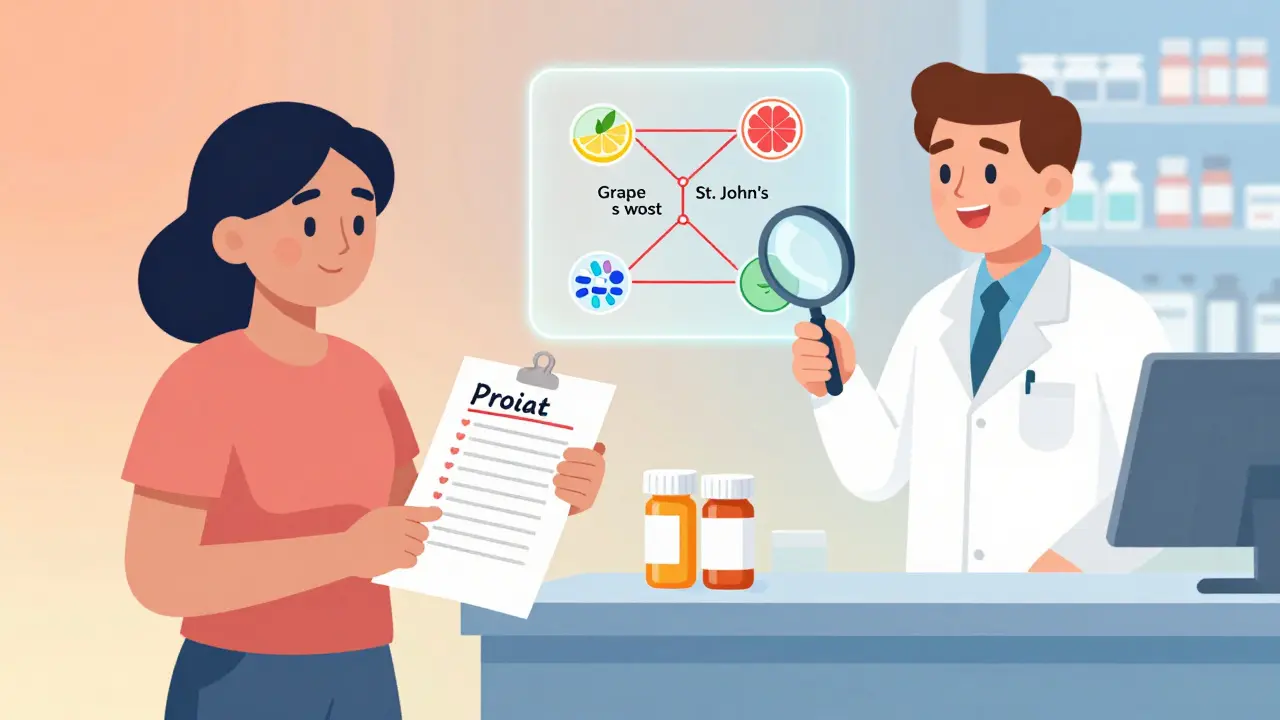
Learn how to talk to your pharmacist about supplements and food interactions to avoid dangerous drug reactions. Get practical tips on what to bring, what to ask, and which supplements and foods are most risky with common medications.
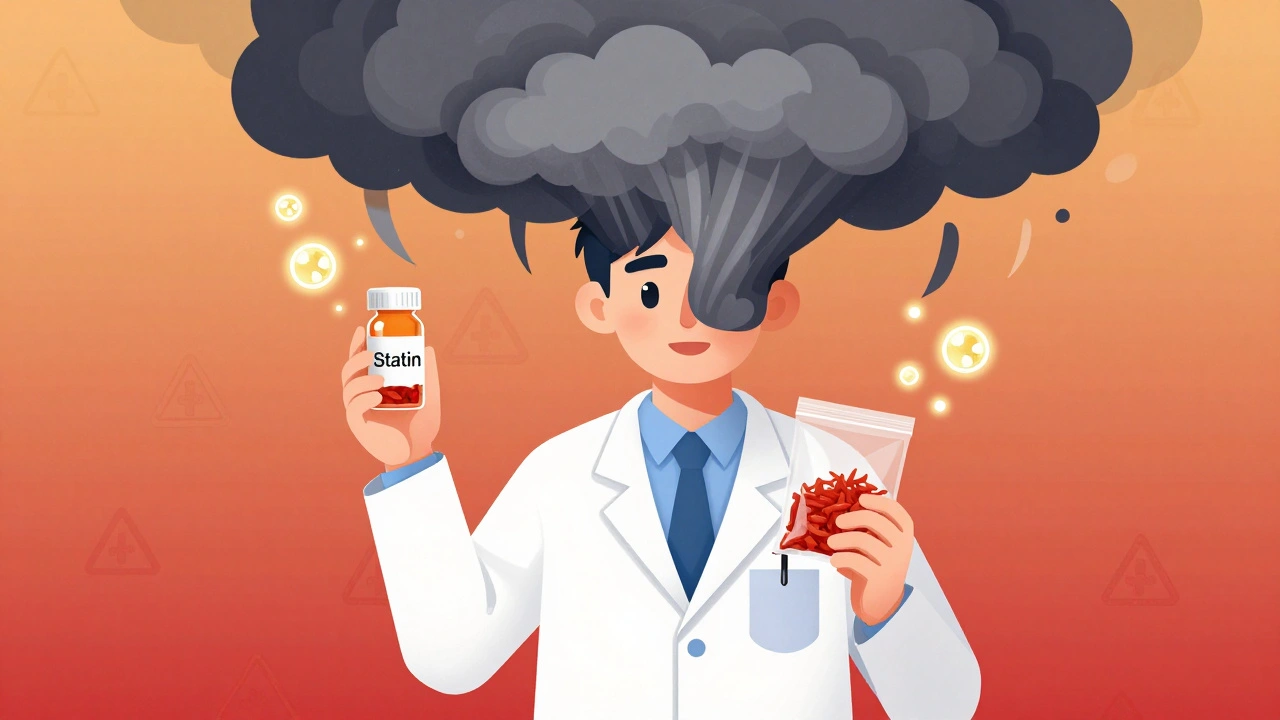
Red yeast rice contains the same active ingredient as statins, making it dangerous to take together. Learn why combining them raises your risk of muscle damage and liver injury-and what safer alternatives exist.