
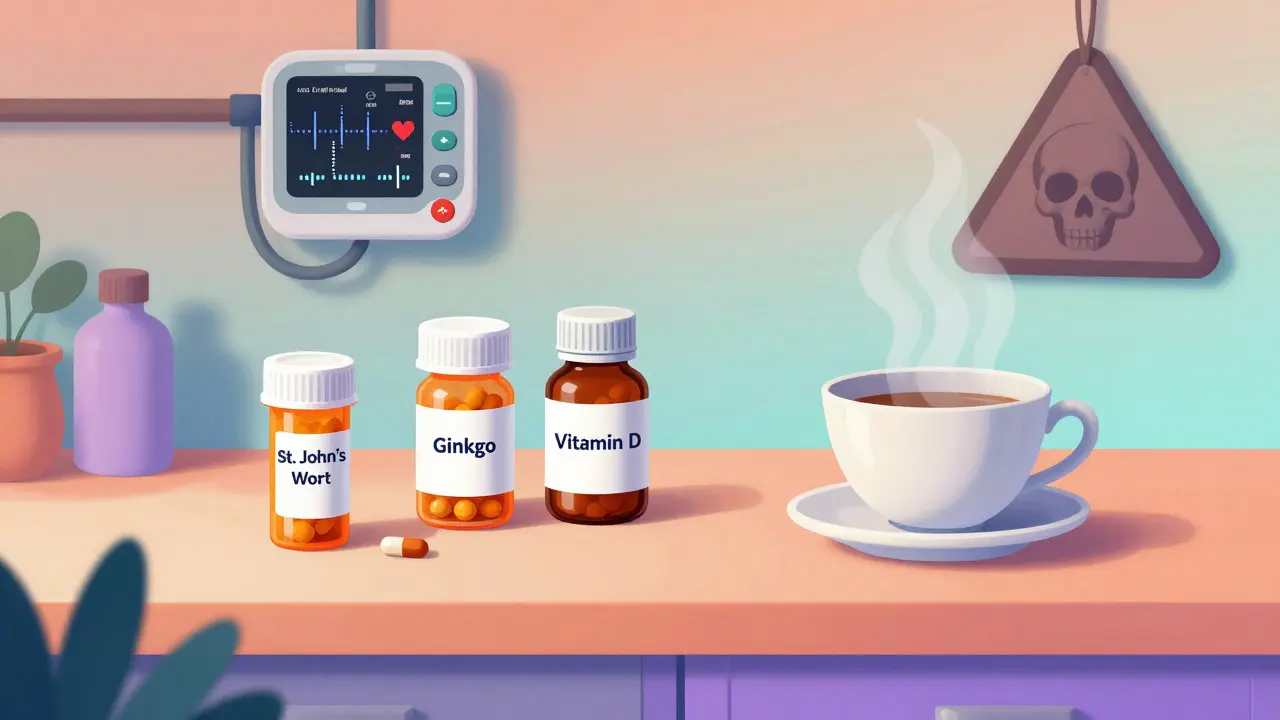
Most people think if it’s natural, it’s safe. That’s a dangerous myth. You pop a vitamin, a herbal pill, or a protein powder thinking it’s harmless-maybe even healthy. But what you don’t know could land you in the hospital. Every year, over 23,000 people in the U.S. end up in emergency rooms because of dietary supplements. And that’s just the ones that get reported. Many more go uncounted.
Why Supplements Aren’t Regulated Like Medicines
Prescription drugs go through years of testing. They’re checked for safety, dosage, side effects, and how they interact with other drugs. The FDA requires proof they work before they hit the market. Dietary supplements? Not even close. Under the Dietary Supplement Health and Education Act (DSHEA) from 1994, supplement makers don’t need to prove anything before selling their products. The FDA can’t block a supplement unless it’s proven dangerous after it’s already on shelves. That means you’re basically a test subject. By the time the FDA acts, hundreds of thousands of people may have already taken it. The result? Over 85,000 supplement products are sold in the U.S. alone. Only 12 ingredients have been banned since 1994. Meanwhile, herbal products-like St. John’s wort, ginkgo, and goldenseal-make up just 19% of the market but cause 38% of all adverse event reports.How Supplements Interfere With Your Medications
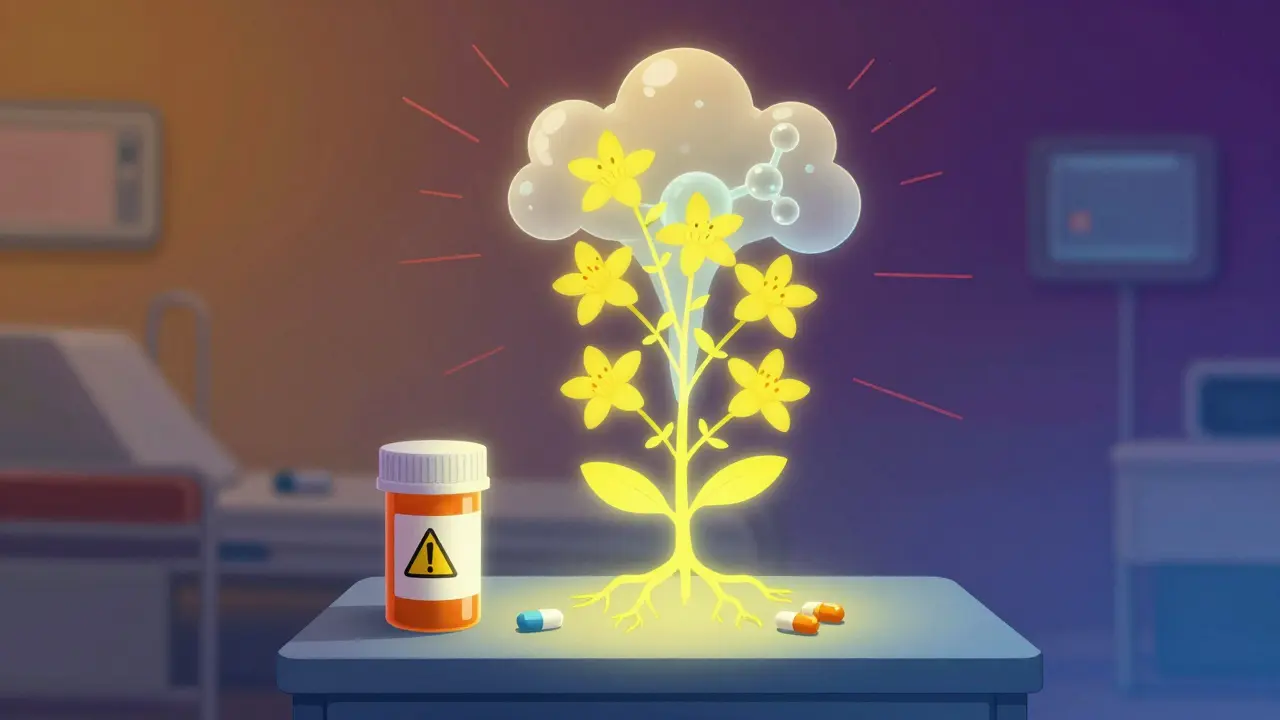
This is where things get serious. You’re on blood pressure medicine. You start taking ashwagandha for stress. Within days, your heart starts racing. Your blood pressure spikes. You don’t connect the dots because you think supplements are harmless. Here’s what’s really happening: supplements can change how your body processes drugs. They mess with liver enzymes-specifically the CYP3A4 system-that break down medications. St. John’s wort, for example, can drop the levels of your birth control pills by 15%, your antidepressants by 30%, or your heart medication by over 50%. One study showed it made cyclosporine, a transplant drug, 60% less effective. That’s not a minor side effect. That’s life-threatening. Ginkgo biloba, garlic, and fish oil all thin your blood. If you’re on warfarin or aspirin, adding one of these can increase your bleeding risk by 20-30%. There’s a documented case of a 68-year-old woman who bled so badly after taking ginkgo with aspirin that she needed a hospital transfusion. Even something as simple as vitamin K can sabotage your blood thinner. It can cut warfarin’s effect by 40-50%. That means you’re at risk of a stroke or clot-exactly what you’re trying to prevent.The Toxic Truth About Vitamins
You might think more is better. It’s not. Vitamins aren’t harmless candy. Vitamin A: Take more than 10,000 IU a day over time, and you risk liver damage, vision loss, and even bone fractures. A single dose over 300,000 IU can cause acute poisoning-vomiting, dizziness, blurred vision, and increased pressure in your skull. Vitamin D: Too much leads to too much calcium in your blood. That means nausea, excessive thirst, kidney stones, and in severe cases, coma or death. People who take high-dose monthly supplements (over 300,000 IU) have a 15-20% higher chance of falling and breaking a bone. Vitamin E: At doses above 400 IU a day, it increases your risk of hemorrhagic stroke by about 10%. That’s not a small risk. That’s a real chance of brain bleeding. And don’t forget green tea extract. It’s in everything-from weight loss pills to energy drinks. It’s now linked to over 20% of supplement-related liver injuries. One woman in Perth took a green tea capsule for weight loss. Within six weeks, her liver enzymes were through the roof. She needed hospitalization.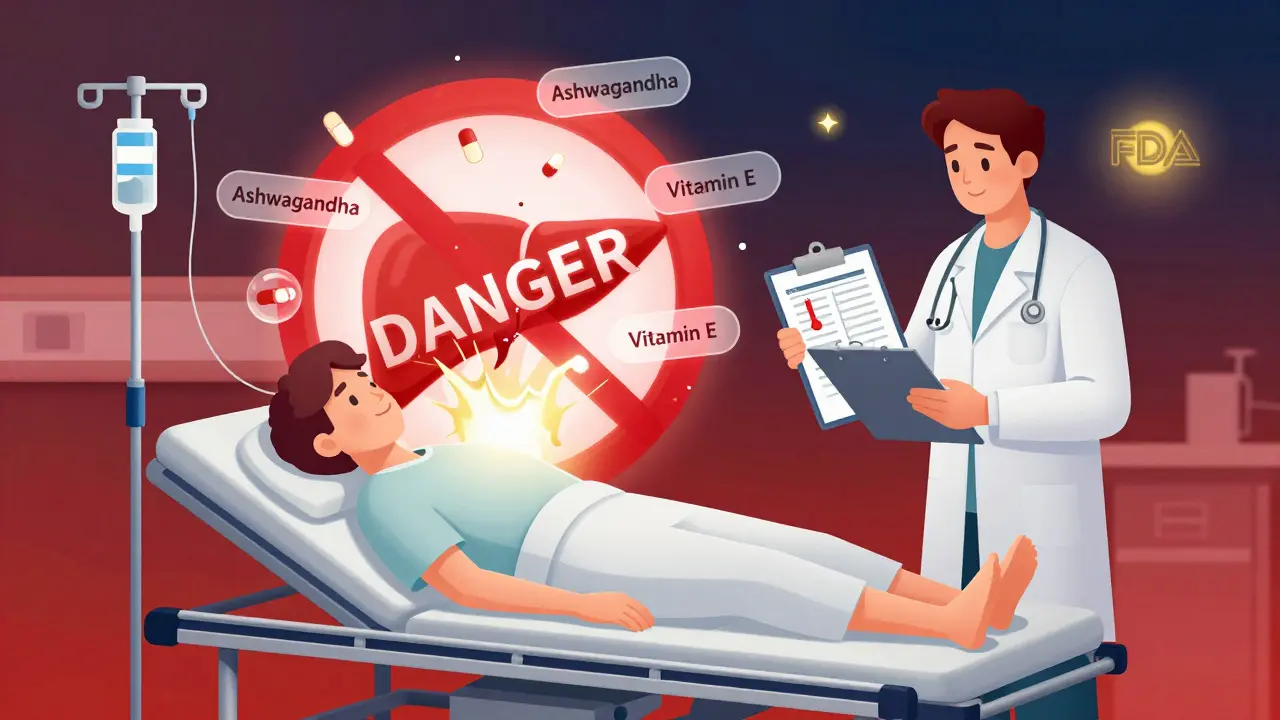
Supplements and Cancer Treatment: A Deadly Mix
If you’re undergoing chemotherapy, radiation, or immunotherapy, supplements can interfere in ways you can’t predict. Antioxidants like vitamins C and E might seem like a good idea-they fight free radicals, right? But cancer treatments work by creating free radicals to kill cancer cells. If you’re taking antioxidants, you might be reducing the treatment’s effectiveness by 25-30%. Radiation therapy is especially sensitive. One oncologist reported a patient who developed severe skin burns during treatment because of vitamin E. The radiation team had to pause therapy for three weeks while the skin healed. That delay can cost you your chance at remission. The American Cancer Society’s advice is clear: avoid all supplements during cancer treatment unless your oncologist says it’s safe. And even then, they’ll need to check for interactions with your specific drugs.What Happens When You Don’t Tell Your Doctor
Here’s the biggest problem: most people don’t tell their doctors what they’re taking. A 2022 FDA survey found only 33% of supplement users discuss it with their healthcare provider. That means two out of three people are hiding something that could kill them. Doctors don’t ask because they assume you’ll tell them. You don’t ask because you think it’s not important. That gap is deadly. A Reddit user in Australia shared how they started taking 500mg of ashwagandha for anxiety while on blood pressure meds. Within days, their heart was pounding. Their BP soared. They went to the ER. The doctor immediately suspected the supplement. They had no idea it could interact. Serotonin syndrome is another silent killer. It happens when two substances increase serotonin too much. St. John’s wort and antidepressants like sertraline are a known combo. One man in Sydney took both. Within two weeks, he was confused, sweating, shaking, and hallucinating. He ended up in intensive care.How to Protect Yourself
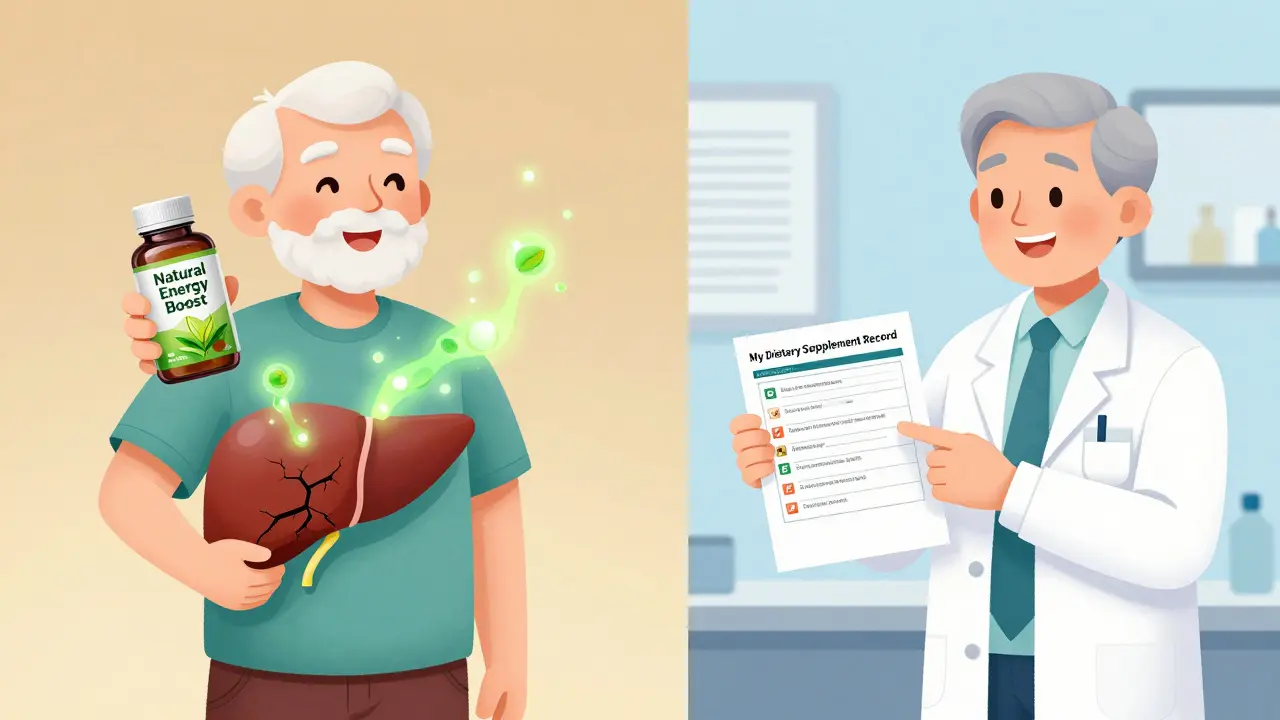
You don’t have to quit supplements entirely. But you need to be smart.- Make a full list of every pill, powder, and tincture you take-including vitamins, herbs, and protein powders. Update it every time you see a doctor.
- Bring it to every appointment. Don’t just say, “I take some vitamins.” Name them. Show the bottle. Write down the dose and frequency.
- Ask your doctor or pharmacist: “Could this interact with anything I’m taking?” Don’t assume they know. Most haven’t been trained on supplement interactions.
- Avoid high-risk supplements if you’re on any medication: St. John’s wort, ginkgo, goldenseal, bitter orange, yohimbe, and high-dose vitamin K or E.
- Stop supplements before surgery. Many cause bleeding. Your surgeon needs to know what you’re taking-even if you think it’s “just a herbal tea.”
What to Do If Something Goes Wrong
If you feel strange after starting a supplement-racing heart, dizziness, nausea, unusual bruising, dark urine, or severe fatigue-stop it immediately. Don’t wait. Don’t assume it’ll pass. Go to your doctor or the ER. And report it. The FDA’s MedWatch system takes reports from anyone. In 2022, they received over 18,000 supplement-related reports. Most came from patients like you. Reporting helps. It’s the only way the FDA finds out what’s dangerous. If no one reports, nothing changes.The Bigger Picture: Why This System Is Broken
The supplement industry made $52 billion in 2022. That’s a lot of money. And it’s growing. But the rules haven’t changed since 1994. The FDA can’t stop a new product until it’s proven harmful. By then, it’s already in thousands of homes. Online stores are the worst. Over 45% of adverse events come from supplements bought online. No regulation. No testing. No quality control. You could be buying a product with banned stimulants, heavy metals, or unlisted drugs. The FDA launched a new “Dietary Supplement Ingredient Advisory List” in 2023. It flagged 12 high-risk ingredients like bitter orange and yohimbe. But it’s just a warning. Not a ban. The National Academy of Medicine said in 2022 that the current system is “inadequate to protect consumers.” They’re pushing for mandatory pre-market safety reviews. Until then, you’re on your own.Bottom Line: Supplements Are Drugs-Treat Them Like It
They’re not harmless. They’re not “just natural.” They contain active chemicals that change how your body works. They can interact with your prescriptions. They can damage your liver. They can cause strokes. They can kill you. If you’re taking anything beyond a basic multivitamin-especially if you’re on medication, pregnant, elderly, or managing a chronic condition-you need to treat supplements like real medicine. Ask questions. Do research. Tell your doctor. And never assume safety because something says “natural” on the label. Your health isn’t worth the gamble.Can I take supplements with my prescription meds?
Some can, but many can’t. Supplements like St. John’s wort, ginkgo, garlic, and high-dose vitamins can interfere with blood pressure drugs, antidepressants, blood thinners, chemotherapy, and birth control. Always check with your doctor or pharmacist before combining any supplement with prescription medication. Never assume it’s safe just because it’s sold in a health store.
Are natural supplements safer than prescription drugs?
No. The word “natural” doesn’t mean safe. Many of the most dangerous supplements-like bitter orange, yohimbe, and green tea extract-are plant-based. They contain powerful chemicals that affect your heart, liver, and brain. Prescription drugs are tested for safety and dosage. Supplements are not. A plant can be just as toxic as a synthetic compound.
How do I know if a supplement is contaminated?
You can’t always tell. Some supplements contain hidden drugs-like steroids, stimulants, or even prescription antidepressants-added to boost effects. These aren’t listed on the label. The FDA only tests a small fraction of products. Buying from trusted brands or those with third-party testing (like USP or NSF) reduces risk, but doesn’t eliminate it. When in doubt, avoid it.
Why do so many people get sick from supplements?
Because most people don’t realize supplements can cause harm. They think they’re harmless, so they take them without telling their doctor. They mix multiple products, take high doses, or use them with medications. The combination creates unexpected reactions. Over 70% of serious cases involve people taking more than one supplement or combining them with prescription drugs.
Should I stop all supplements if I’m sick or in treatment?
If you’re undergoing cancer treatment, surgery, or managing a serious condition like heart disease or liver illness, you should pause all non-essential supplements until you talk to your doctor. Many interfere with treatment effectiveness or recovery. Even something as simple as vitamin C can reduce chemotherapy results. Your care team needs full visibility into everything you’re taking.
What should I do if I think a supplement made me sick?
Stop taking it immediately. See a doctor right away. Then report the reaction to the FDA through MedWatch Online. Your report helps others. Most adverse events go unreported, so the FDA doesn’t know how common the problem is. By reporting, you help improve safety for everyone.


Beth Cooper on 30 January 2026, AT 05:01 AM
Okay but have you heard about how the FDA is totally in bed with Big Supplement? I mean, why else would they let all this stuff slide? I read on a blog that the same people who write the regulations used to work for NatureMade. It’s not about safety-it’s about money. And don’t even get me started on how they bury the reports. I’ve got a spreadsheet of 87 cases that never made the news. You think your ‘natural’ turmeric is clean? Nah. It’s laced with fillers from China. I’ve seen the lab reports. I’m not paranoid. I’m prepared.