Pharmaceutical Supply Chain Quality: How Poor Logistics Put Patients at Risk

Medication Temperature Risk Calculator

How It Works

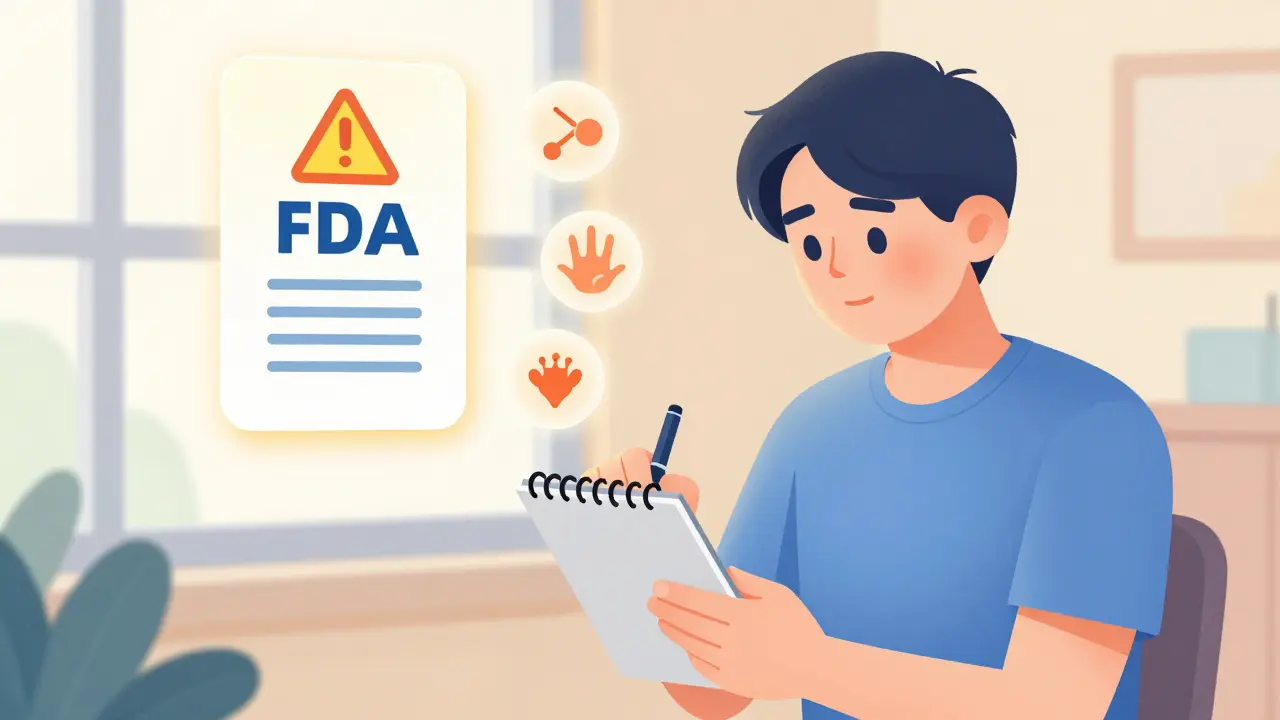
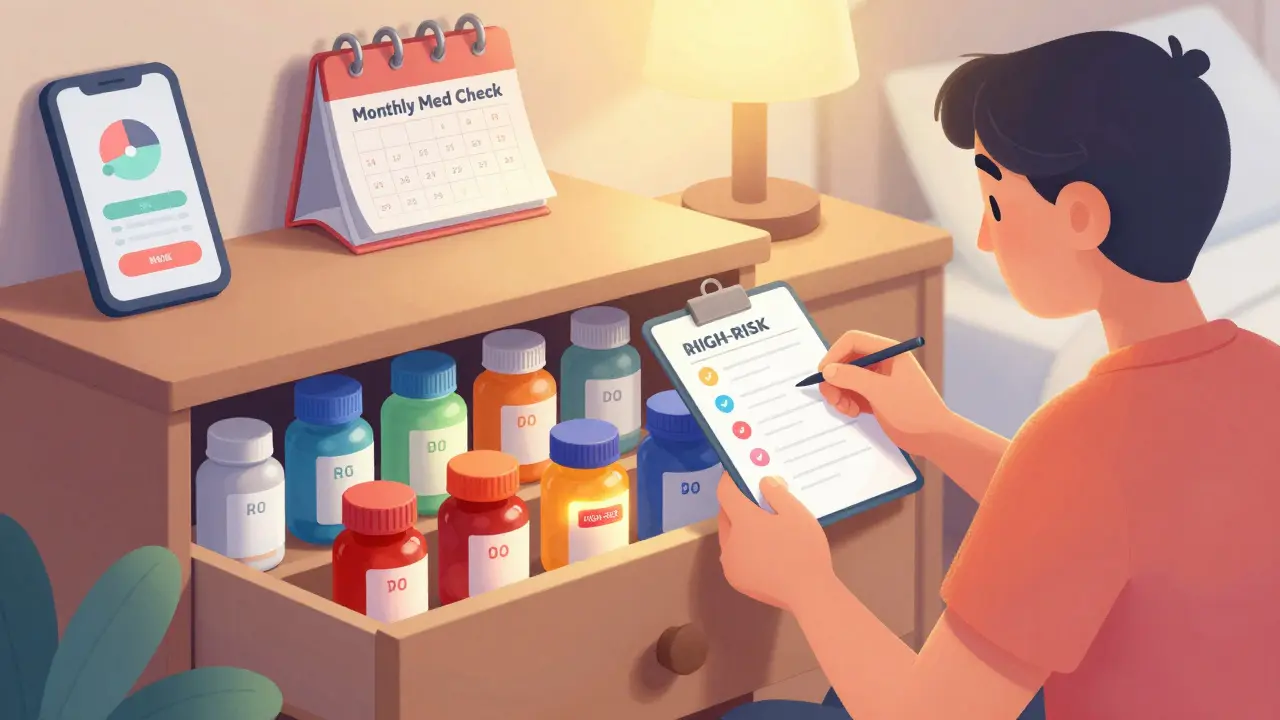
Enter your shipment details to calculate temperature risks. This tool simulates how temperature deviations affect medication safety based on WHO and FDA guidelines.

• Enter drug type and shipment duration • Paste temperature log data (CSV format) • Results show risk level and potential consequences

Paste data in format: timestamp,temperature (e.g., 08:00,4.2)

Risk Assessment

Temperature Thresholds

Key Findings

When you pick up your prescription, you assume the medicine inside that bottle is safe, effective, and exactly what your doctor ordered. But what if the journey it took to get there - from factory to pharmacy - was broken? Pharmaceutical supply chain quality isn’t just a behind-the-scenes logistics issue. It’s the difference between life and death for millions of patients worldwide.

What’s at Stake When the Supply Chain Fails

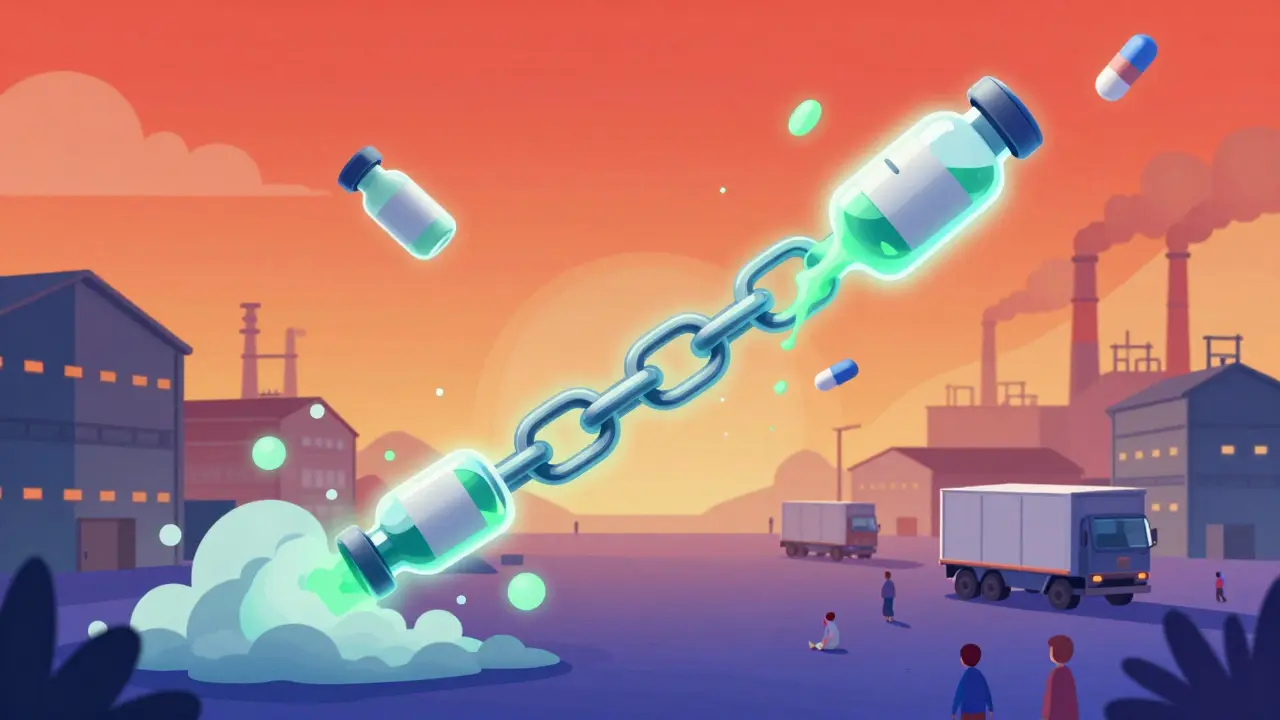
The global pharmaceutical supply chain moves billions of doses every year across 180 countries. It’s not a simple pipeline. It’s a fragile web of manufacturers, distributors, warehouses, and delivery systems - each step requiring precise control. A single temperature spike, a counterfeit vial, or a delayed shipment can derail treatment for someone with cancer, diabetes, or epilepsy.

According to the WHO, over 30% of medicines in low-income countries are substandard or falsified. Even in the U.S., where regulations are tighter, drug shortages spiked 300% in the first six months of the COVID-19 pandemic. That wasn’t just inconvenience - it was danger. Patients missed critical infusions. Doctors had to swap insulin brands mid-treatment. Nurses rationed epinephrine for allergic reactions.

One patient with multiple sclerosis shared on RateMDs: “My Tysabri infusions were delayed 17 days. Two new brain lesions showed up on my MRI.” That’s not an outlier. The American Hospital Association found 68% of hospitals made medication substitutions during shortages - and 29% of those led to adverse reactions.

Why the Supply Chain Is So Fragile

Unlike buying groceries or electronics, pharmaceuticals can’t tolerate mistakes. Seventy-two percent of biologic drugs need constant refrigeration between 2°C and 8°C. Fifteen percent require ultra-cold storage below -60°C - colder than Antarctic winter. One hour outside that range, and the drug loses potency. Sometimes, it becomes toxic.

Then there’s the manufacturing bottleneck. Over 78% of active pharmaceutical ingredients (APIs) - the core chemical components of drugs - come from just two countries: China and India. A single factory shutdown, a trade dispute, or a natural disaster like Hurricane Helene in 2024 can ripple across the entire system. When Baxter’s North Carolina plant went offline, more than 80% of U.S. hospitals faced critical shortages.

And it’s not just weather or politics. Cyberattacks hit hard. In 2024, a software failure from CrowdStrike knocked out 759 hospitals, halting prescriptions, lab orders, and IV pumps. Patients waited. Treatments were canceled. Staff scrambled.

Regulations That Should Work - But Don’t Always

The FDA’s Drug Supply Chain Security Act (DSCSA) was supposed to fix this. By late 2023, every prescription drug had to carry a 2D barcode for full traceability. By November 2025, every transaction must be tracked electronically. Sounds solid, right?

The problem? Implementation is uneven. Hospitals report a 14- to 18-month learning curve just to get staff trained. Integrating old systems with new serialization tech is a nightmare - 76% of facilities struggle with it. And while big companies like Pfizer have top-rated protocols, generic manufacturers often cut corners. Their documentation scores average 3.2 out of 5.

Even with better tracking, the system still fails at the last mile. In rural areas, 32% of deliveries lose temperature control because delivery trucks aren’t equipped. A vaccine or insulin sitting in a non-refrigerated van for hours might look fine - but it’s already compromised.
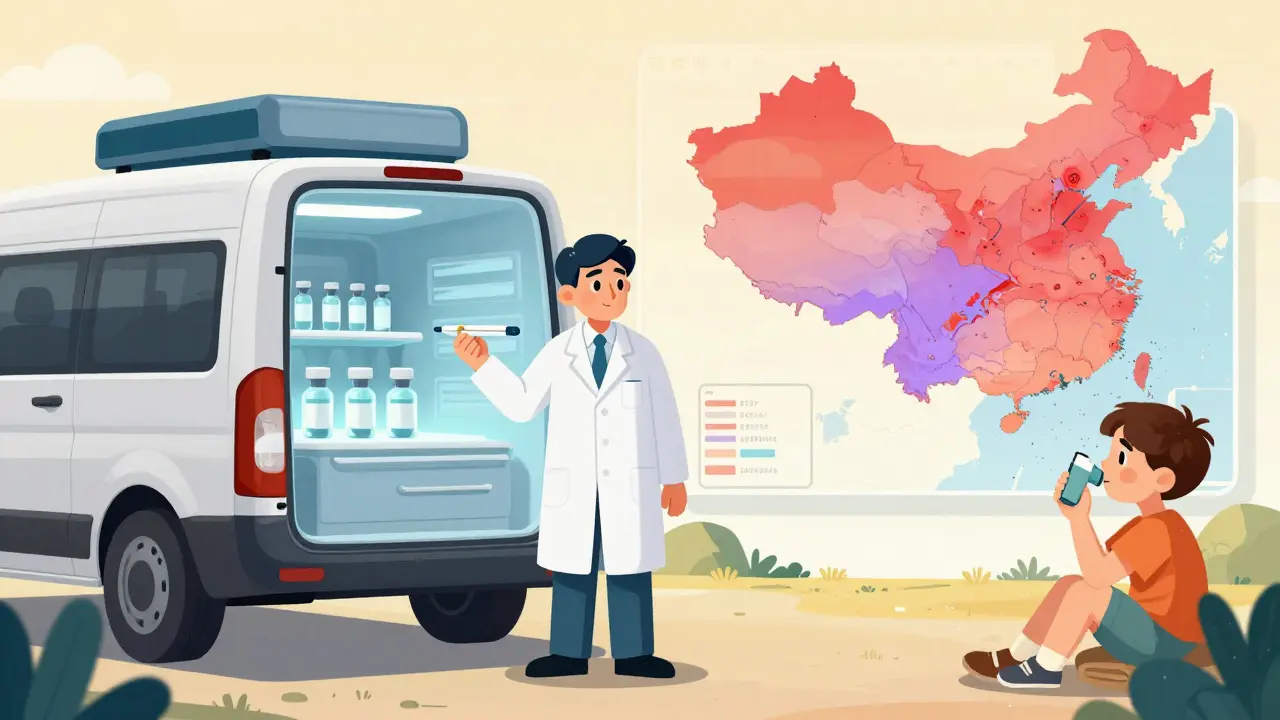
A pharmacist beside a non-cooled delivery van as a child waits for insulin in a rural clinic.

Technology Is Helping - But Not Enough

Blockchain adoption has jumped 37% since 2020. Real-time temperature monitors now cover 68% of high-value shipments, cutting temperature excursions by 42%. AI-driven demand forecasting is expected to reduce shortages by 35% by 2027. These aren’t sci-fi ideas - they’re being used now.

But cost is a barrier. Building a single cold-chain distribution center runs $2.8 million. Hospitals spend $450,000 and eight months just to install track-and-trace systems. Many small pharmacies and clinics can’t afford it. Meanwhile, the global market for pharmaceutical logistics is worth $1.5 trillion - yet only 12 major distributors control 67% of it. That concentration makes the system more vulnerable, not less.

And cybersecurity? A 2023 Censinet report found 74% of healthcare cyberattacks came from third-party vendors - suppliers, freight companies, software providers. One weak link can bring down the whole chain.

Who Pays the Price?

It’s not the executives or the logistics managers. It’s the patient.

A diabetic waiting for insulin because a shipment got stuck in customs. A child with asthma who can’t get albuterol because a factory in India shut down for inspection. A cancer patient whose targeted therapy was replaced with a less effective generic - and whose tumor started growing again.

In 2024, medication errors tied to supply chain failures harmed 1.5 million Americans. The cost? $77 billion. That’s not just money - it’s lost time, avoidable hospitalizations, and preventable deaths.

The Caribbean has a supply chain pressure index of 8.1 - far above the safe target of -0.5. Hospitals there face weeks-long delays. Patients die waiting.
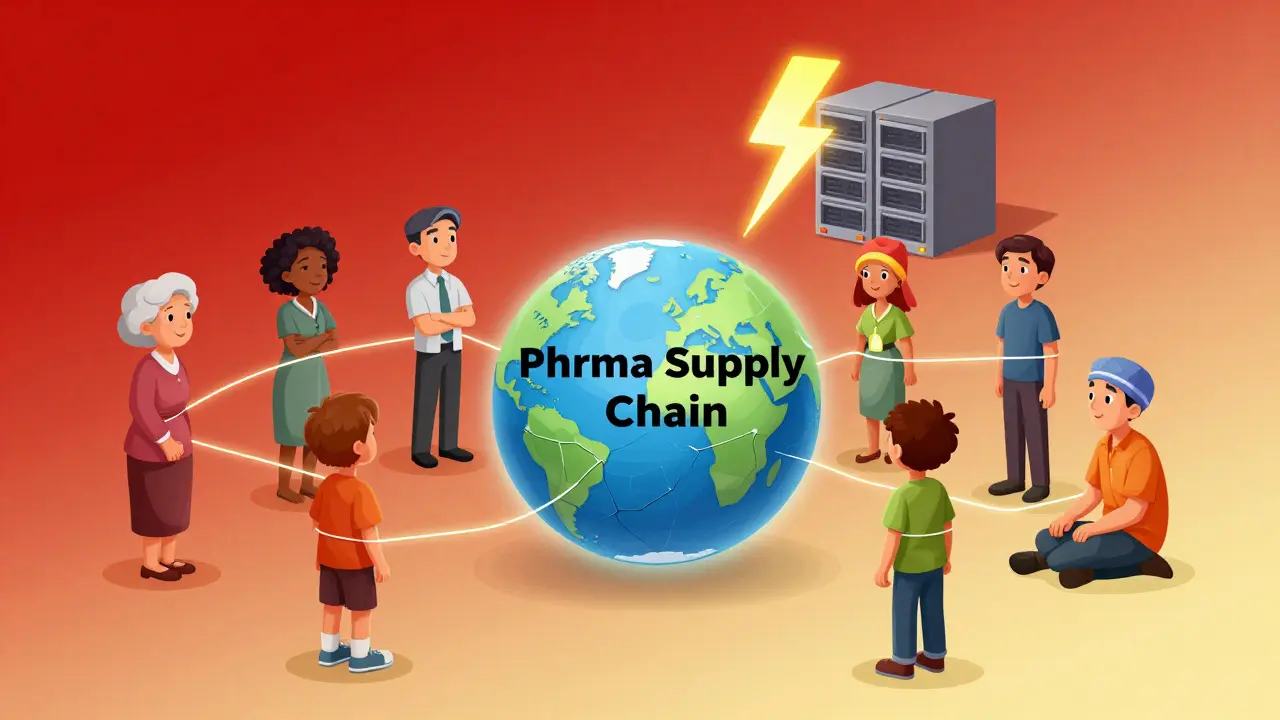
Patients connected by glowing threads to a cracked globe of the pharmaceutical supply chain under cyberattack.

What Needs to Change

Fixing this isn’t about more regulations. It’s about smarter systems and shared responsibility.

First, diversify manufacturing. Relying on two countries for 78% of APIs is reckless. Governments and pharma companies need to invest in regional production hubs - in Latin America, Eastern Europe, Southeast Asia - to reduce geopolitical risk.

Second, standardize data. Right now, every distributor uses different formats. One system can’t talk to another. The WHO’s 2025 Global Benchmarking Tool is a step forward - but it needs teeth. Regulatory agencies must enforce uniform digital tracing across borders.

Third, fund the last mile. Rural clinics need refrigerated delivery vans. Community pharmacies need backup power for cold storage. These aren’t luxuries - they’re lifesavers.

And fourth, treat supply chain staff like frontline workers. Pharmacists, logistics coordinators, and cold-chain technicians are the unsung heroes keeping medicines safe. They need training, recognition, and better tools. The PharmChain certification program has trained over 8,400 professionals - but we need hundreds of thousands more.

The Bottom Line

The pharmaceutical supply chain isn’t broken - it’s under siege. Technology can help. Regulations can guide. But without political will, investment, and public pressure, patients will keep paying the price.

You don’t need to be a doctor or a pharmacist to care about this. If you or someone you love takes medication - even a daily pill - you’re part of this chain. Demand transparency. Ask your pharmacy where your drugs come from. Support policies that fund supply chain resilience. Because when the chain fails, it’s not a statistic. It’s your mother’s insulin. Your child’s seizure medicine. Your own chance to live.

Comments(12)

Jacob Milano

Jacob Milano on 5 January 2026, AT 01:00 AM

Man, I never thought about how my insulin could be sitting in a hot van for hours and still look fine. That’s terrifying. I’ve got a cousin with type 1 who skips doses when supplies run low - she says it’s ‘just part of the routine.’ It’s not. It’s a fucking gamble with her life.

And the fact that 78% of APIs come from two countries? That’s not globalization - that’s a hostage situation. We’re outsourcing our health to geopolitical dice rolls.

I work in logistics. We move frozen pizzas. Imagine if one wrong temperature ruined a whole batch of pizzas. We’d shut down the warehouse. But for life-saving drugs? We shrug and say ‘supply chain issues.’

saurabh singh

saurabh singh on 6 January 2026, AT 21:34 PM

Bro in India we’re the backbone of this whole system - but nobody treats us like heroes. We make 40% of the world’s generics, yet when something breaks, everyone points fingers at us. Shame on you for blaming the makers and not the buyers who demand cheap pills.

My uncle runs a small pharma unit in Gujarat. He lost 3 months of work because a U.S. distributor changed their barcode format last minute. No warning. No training. Just ‘comply or lose the contract.’

We’re not the problem. We’re the ones holding the bag while the West gets rich and then blames us for the mess.

Invest in us. Train us. Pay us fairly. Then we can fix this together - not with more audits, but with real partnership.

Dee Humprey

Dee Humprey on 8 January 2026, AT 18:05 PM

My mom’s oncologist had to switch her chemo drug last year because the original was out of stock. She got a generic that gave her severe nausea and a fever for a week. They said it was ‘therapeutically equivalent.’

Equivalent? My mom’s body didn’t think so.

It’s not just about cold chains or barcodes - it’s about trust. When your life depends on a pill, you shouldn’t have to wonder if it was stored in a truck that lost power for 12 hours.

Someone needs to start holding distributors accountable - not just pharma companies. The middlemen are the silent killers here.

Allen Ye

Allen Ye on 9 January 2026, AT 16:37 PM

There’s a deeper metaphysical question here, one that extends beyond logistics: when we commodify human survival - when we reduce life-sustaining medicine to a supply chain KPI - we’ve already lost the moral high ground.

The system isn’t broken because of bad tech or bad policy. It’s broken because we’ve normalized the idea that some lives are more expendable than others. The patient in rural Mississippi gets a compromised vaccine because the truck can’t afford refrigeration. The patient in Zurich gets the pristine version.

Is this capitalism? Or is this the slow, quiet death of solidarity?

We don’t need more blockchain. We need a moral reckoning. Until we treat medicine as a human right - not a profit center - we’re just rearranging deck chairs on the Titanic, except the Titanic is made of insulin vials and chemotherapy syringes.

mark etang

mark etang on 11 January 2026, AT 07:26 AM

It is imperative that regulatory agencies enforce compliance with the Drug Supply Chain Security Act without exception. The current patchwork of implementation is unacceptable from a public health standpoint. All stakeholders - manufacturers, distributors, pharmacies - must adhere to standardized digital serialization protocols without delay. Failure to do so constitutes a breach of the public trust.

Furthermore, federal funding must be allocated to support infrastructure upgrades in underserved regions. The cost of inaction far exceeds the investment required to secure the supply chain. Lives are not abstract metrics. They are measurable outcomes that demand immediate, coordinated intervention.

jigisha Patel

jigisha Patel on 11 January 2026, AT 15:32 PM

Let’s be honest - most of this is just fearmongering wrapped in statistics. Yes, there are shortages. But 30% substandard meds in low-income countries? That’s not a supply chain issue - that’s corruption, poor regulation, and black-market distribution. Stop blaming the system. Blame the people who sell fake drugs.

And blockchain? You think adding a QR code fixes a culture of negligence? The real problem is that pharmacies don’t verify shipments. They just accept what’s delivered.

Fix the people, not the pipes. Train pharmacists to test samples. Jail counterfeiters. Stop pretending tech alone can solve human greed.

Jason Stafford

Jason Stafford on 12 January 2026, AT 00:13 AM

They’re lying. All of it. The ‘temperature spikes’? That’s a cover-up. The real reason drugs go bad is because the FDA and Big Pharma are in cahoots with the shipping companies to create artificial shortages. Why? To drive up prices.

Did you know that in 2022, Pfizer’s CEO made $38 million while 1 in 5 Americans skipped insulin? Coincidence? No. It’s a calculated move. They want you dependent. They want you scared. They want you begging for scraps.

And don’t even get me started on CrowdStrike. That wasn’t a hack - that was a controlled demolition. They disabled hospitals so you’d panic and buy their ‘new secure’ software - which they already own 80% of.

Wake up. This isn’t a supply chain crisis. It’s a corporate takeover of your medicine. And they’re winning.

Justin Lowans

Justin Lowans on 13 January 2026, AT 14:15 PM

I’ve worked in hospital pharmacy for 18 years. The system is a Rube Goldberg machine made of duct tape and hope. But I’ve also seen miracles - like when a nurse in rural Kentucky drove 90 miles with a cooler full of vaccines because the UPS truck broke down.

There are good people in this system. They just need better tools.

Let’s not forget the frontline workers - the ones who stay late to re-label expired vials, who call 12 distributors to find one dose of epinephrine, who cry because they couldn’t help a kid.

They’re not asking for medals. Just decent pay, training, and a system that doesn’t set them up to fail.

Michael Rudge

Michael Rudge on 14 January 2026, AT 10:58 AM

Oh wow, a 77-billion-dollar problem? How quaint. Let me guess - you’re one of those people who thinks the solution is more bureaucracy? More forms? More compliance officers taking coffee breaks while patients die?

Here’s a radical idea: stop making drugs that require a cryogenic shipping container. Make stable, room-temperature alternatives. It’s not impossible - we’ve done it with vaccines before.

But no, we’d rather spend billions on tracking barcodes than invest in actual science.

And don’t get me started on ‘regional hubs.’ You think Mexico or Poland is going to magically produce high-purity APIs without the same corruption and cost-cutting? Please.

This isn’t a logistics problem. It’s a failure of imagination.

Rory Corrigan

Rory Corrigan on 14 January 2026, AT 16:48 PM

we are all just atoms in a machine that forgets we are alive

your insulin isn't a product - it's a memory of your breath

your epilepsy pill isn't a barcode - it's your child's laughter at 3am

we've turned life into a spreadsheet

and then we wonder why the system crashes

maybe the answer isn't in blockchain

maybe it's in remembering that someone, somewhere, is counting on this pill to keep them here

and we forgot to care

😢

Stephen Craig

Stephen Craig on 14 January 2026, AT 17:32 PM

Real solution: make all critical drugs stable at room temp. Stop over-engineering. Simpler is safer.

Done.

Connor Hale

Connor Hale on 15 January 2026, AT 15:07 PM

It’s weird how we treat medicine like it’s magic. We expect it to appear, perfectly preserved, exactly when we need it - like it’s delivered by angels instead of humans working in warehouses with broken fridges.

Maybe the problem isn’t the chain. Maybe it’s that we’ve stopped seeing the people in it.

They’re not robots. They’re tired. Underpaid. Overworked.

Fix the people, and the chain fixes itself.

Post a Comment