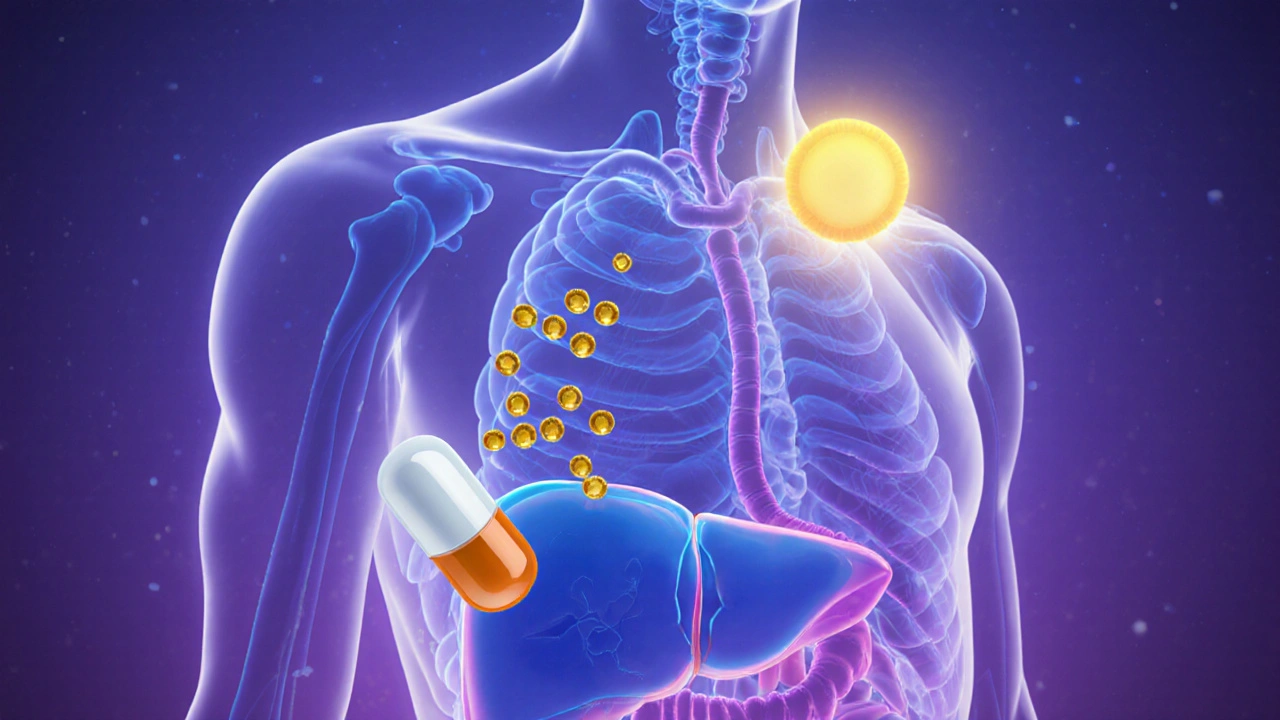
A clear, patient-friendly guide to dabigatran (Pradaxa) - how it works, how to take it safely, what to avoid, and what to watch for. Includes comparisons, dosing tips, and FAQs.
Taking your medication at the wrong time can increase side effects and reduce effectiveness. Learn how circadian rhythms impact drug response and how to time your doses for better results and fewer risks.
MAOIs are powerful but risky antidepressants used for treatment-resistant depression. Learn which combinations are deadly, which are safe, and how to switch medications without triggering serotonin syndrome.
Cardiovascular combination generics simplify heart medication regimens by combining multiple drugs into one pill. Learn which combos are available, how they improve adherence, and how to save money without sacrificing effectiveness.
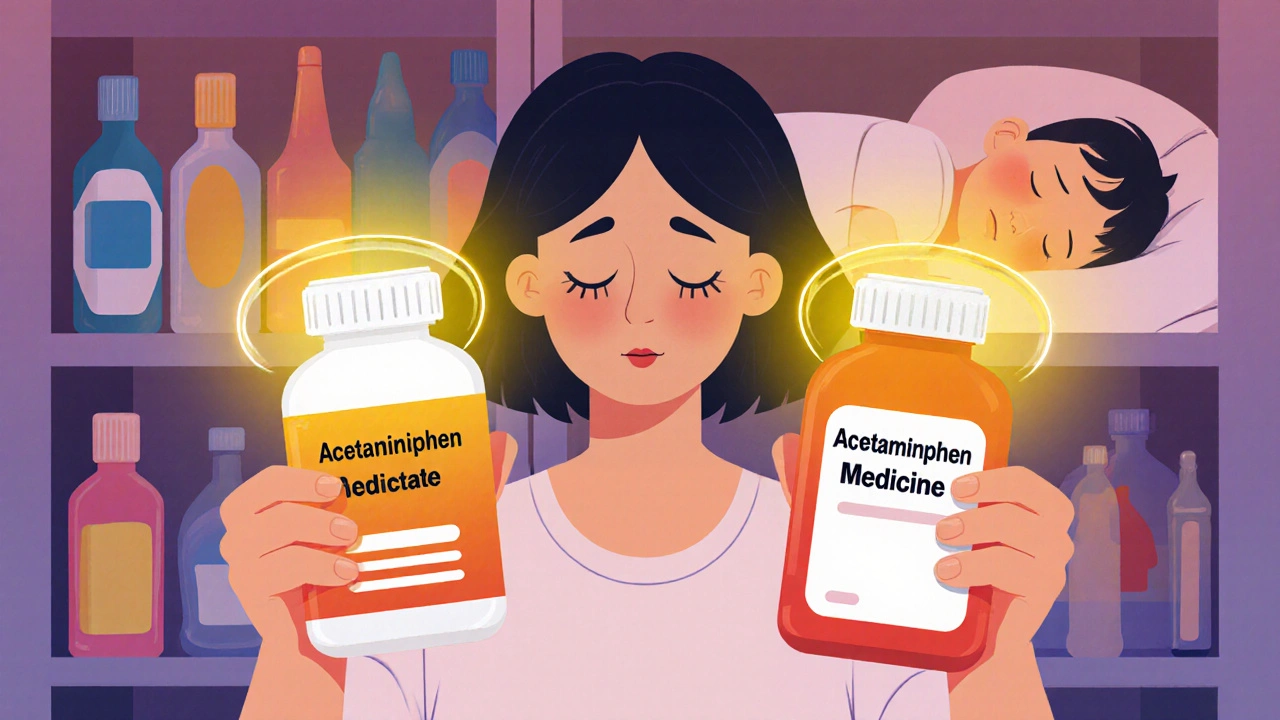
Learn how to check active ingredients in children's medicines to prevent dangerous double dosing. Common OTC meds like Tylenol and NyQuil can cause liver damage if mixed. Simple steps can save lives.
Governments don't set prices for generic drugs-they create conditions for competition to drive prices down. Learn how the U.S. keeps generics affordable without price controls.
Amlodipine is a calcium channel blocker used to treat angina by relaxing blood vessels and reducing heart strain. It helps prevent chest pain, lowers blood pressure, and is safe for long-term use with minimal side effects.
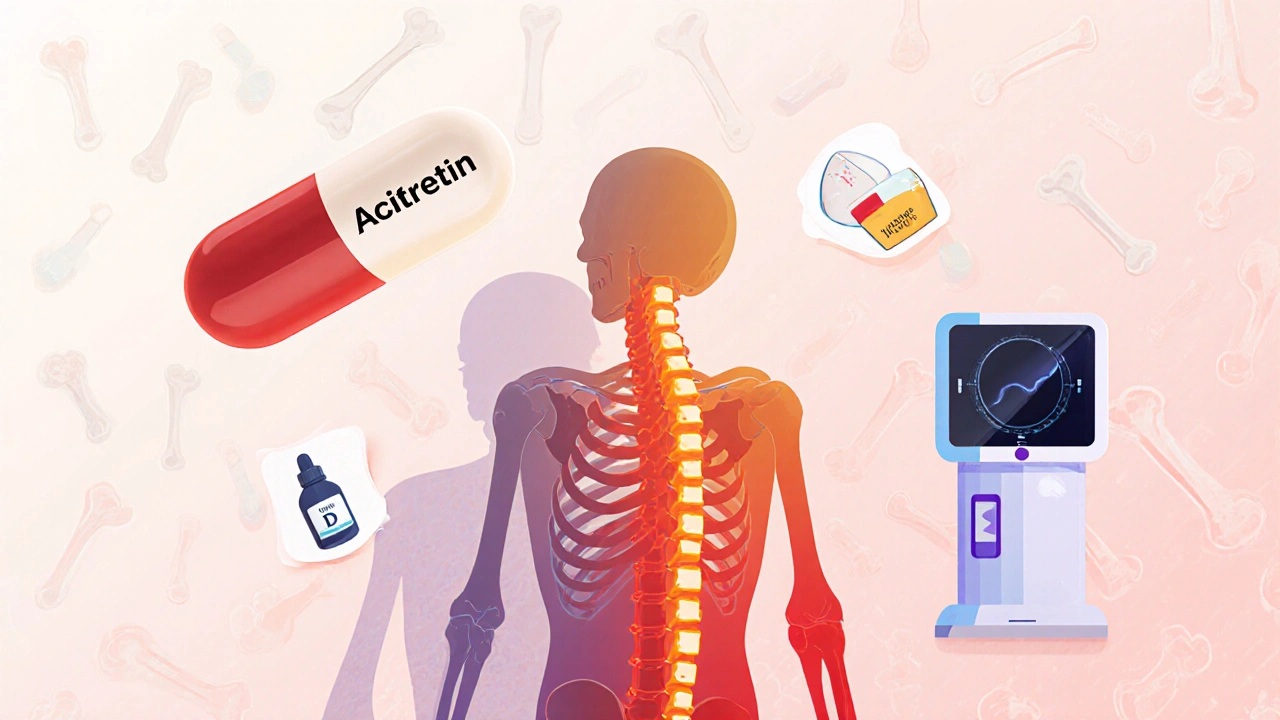
Acitretin can reduce bone density over time, increasing osteoporosis risk - especially in older women and long-term users. Learn how to protect your bones while treating psoriasis.
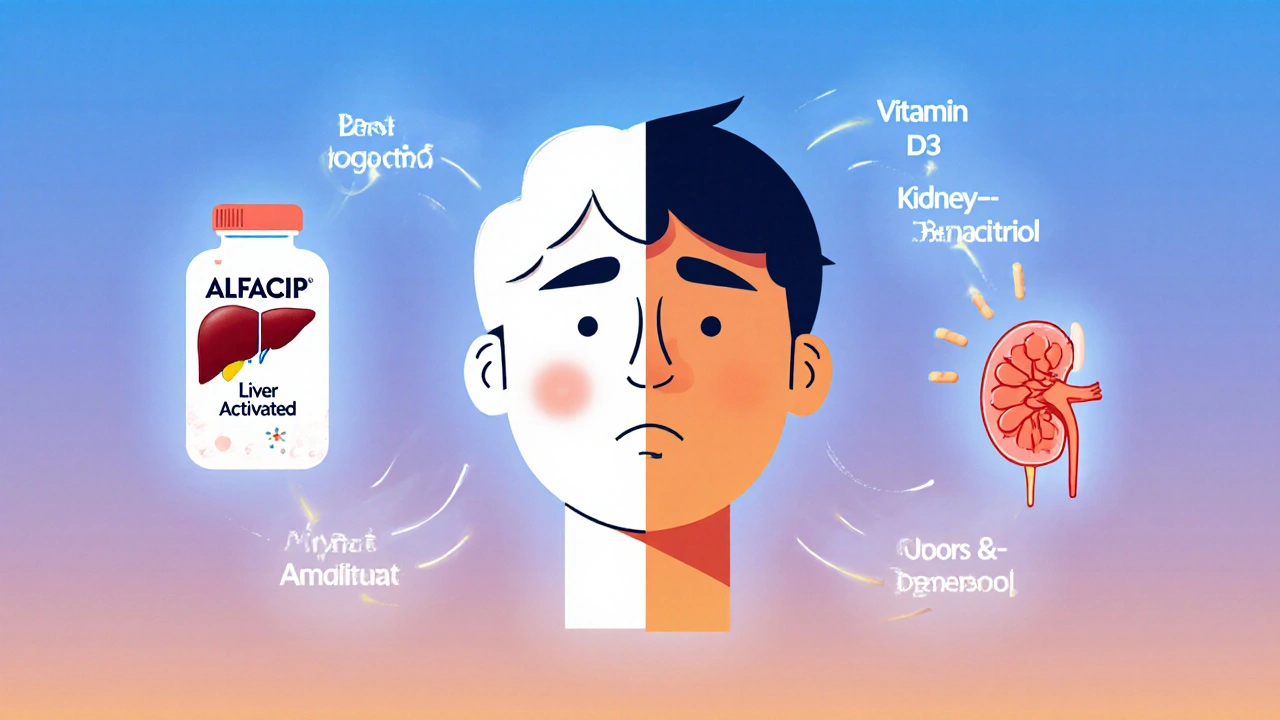
Compare Alfacip (alfacalcidol) with alternatives like calcitriol, vitamin D3, and paricalcitol to find the best treatment for vitamin D deficiency, kidney disease, or low calcium. Know the costs, risks, and when to switch.
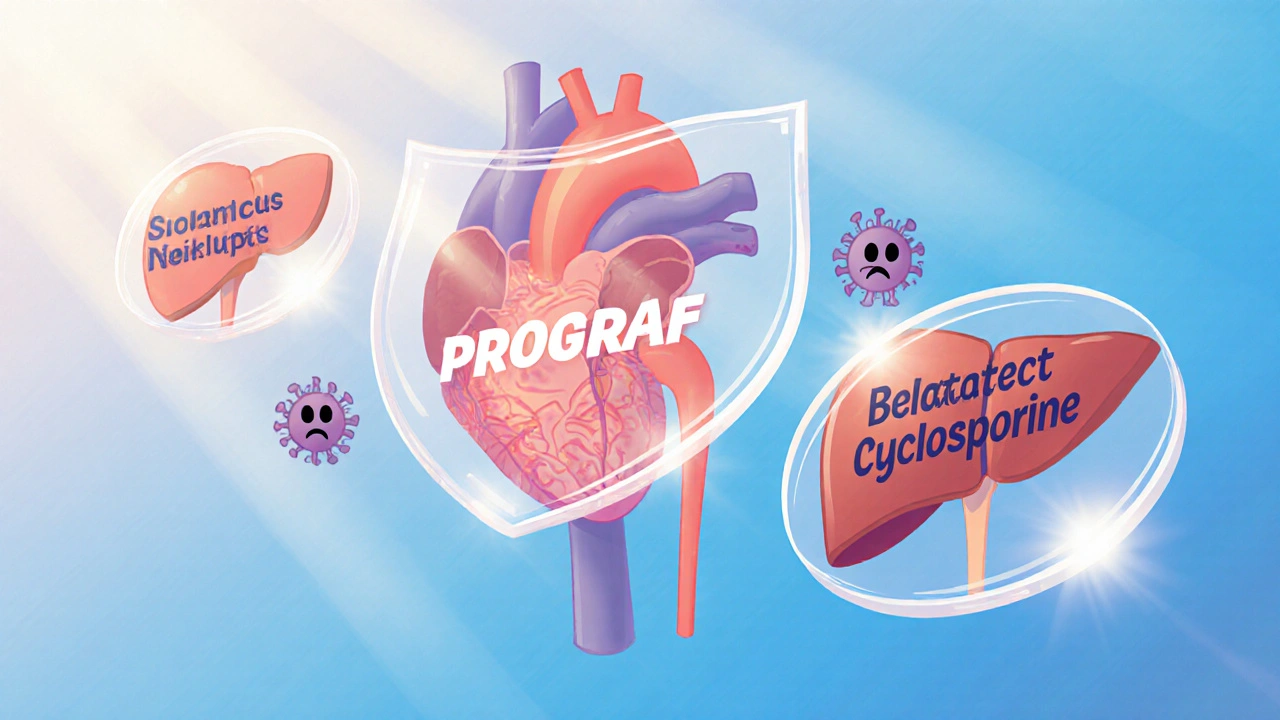
Prograf (tacrolimus) is a key immunosuppressant after organ transplants, but side effects and cost drive many to explore alternatives like cyclosporine, sirolimus, and belatacept. Learn how each compares and what might work better for you.