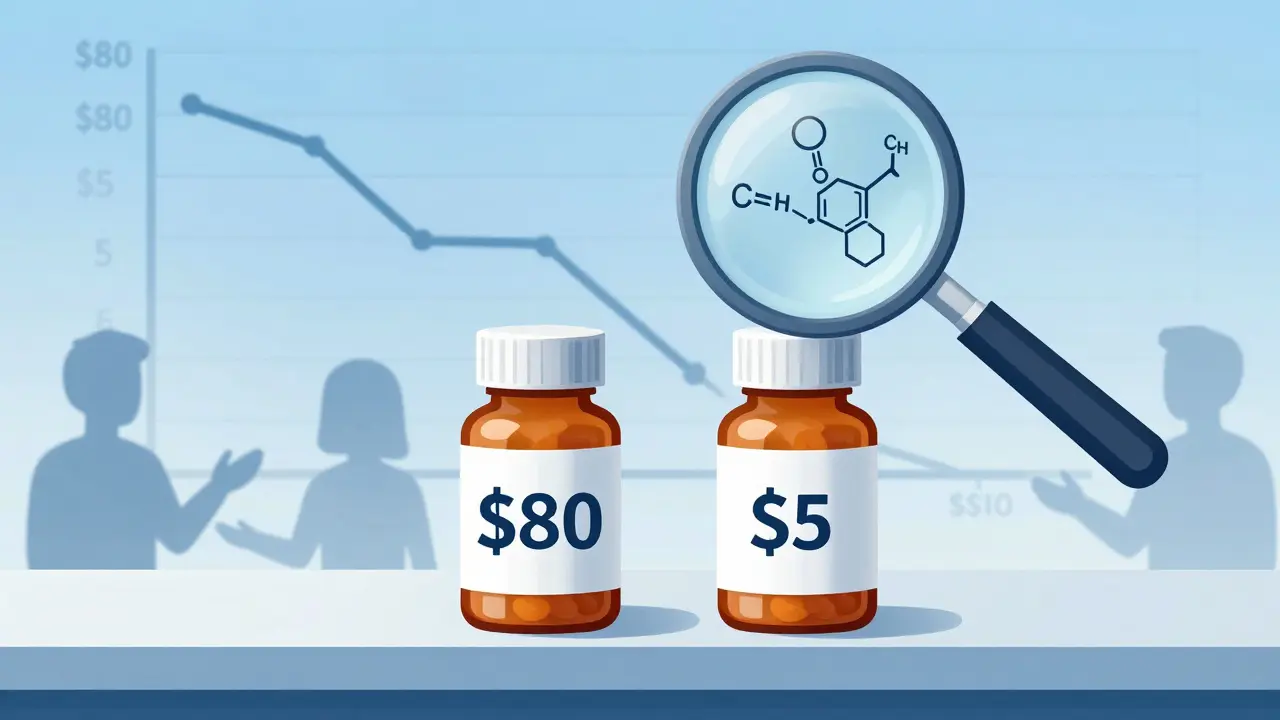
Cost-effectiveness analysis reveals how generic drugs save billions by comparing price to health outcomes. Learn why some generics cost 20x more than others-and how to spot the real savings.
Generic drugs are essential for affordable care, but manufacturing defects like capping, contamination, and weight variation are putting patient safety at risk. Learn how cost pressures lead to dangerous flaws-and what’s being done to fix them.
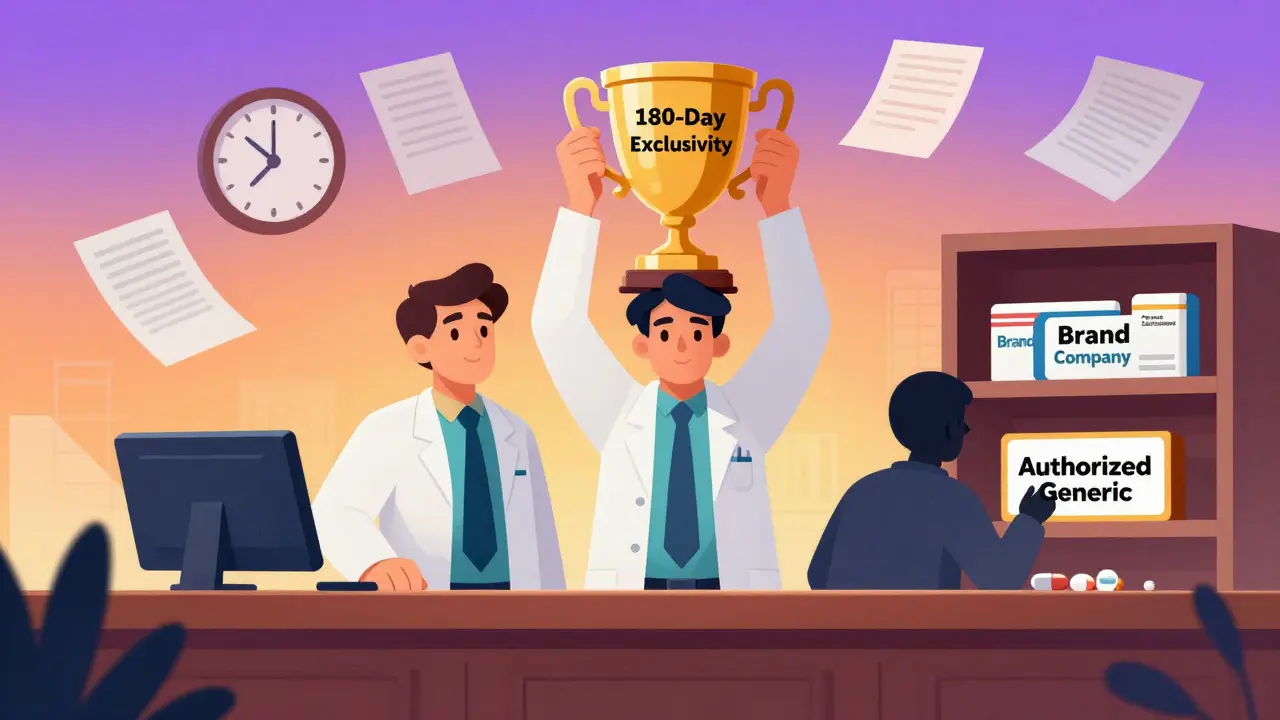
The 180-day exclusivity rule was meant to reward generic drugmakers for challenging patents-but brand-name companies can legally launch their own versions during that time, undercutting profits and weakening competition. Here's how it works, why it's controversial, and what’s being done to fix it.
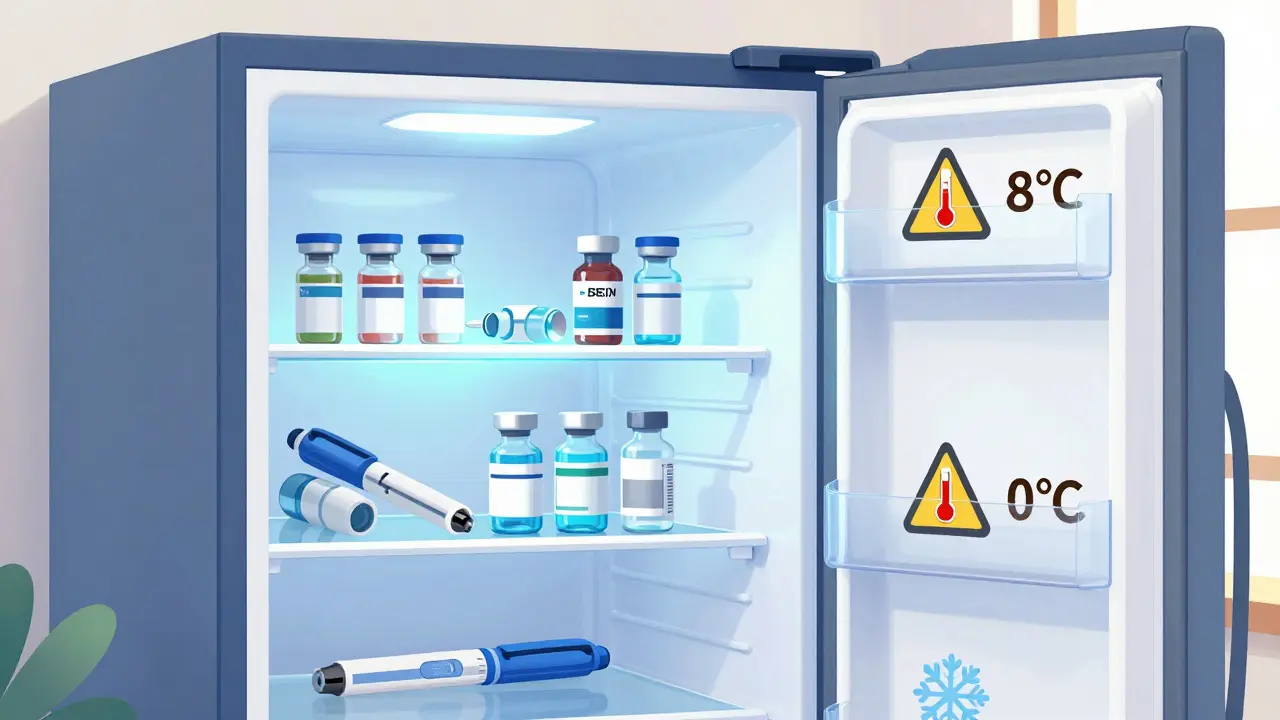
Learn how to properly store refrigerated medications like insulin, vaccines, and biologics at home. Avoid dangerous temperature mistakes with practical tips, fridge hacks, and expert guidance.
Drug companies are using legal loopholes to block cheaper generics by withdrawing original drugs before generics can enter. This tactic, called product hopping, costs billions and violates antitrust law. Regulators are now taking action.
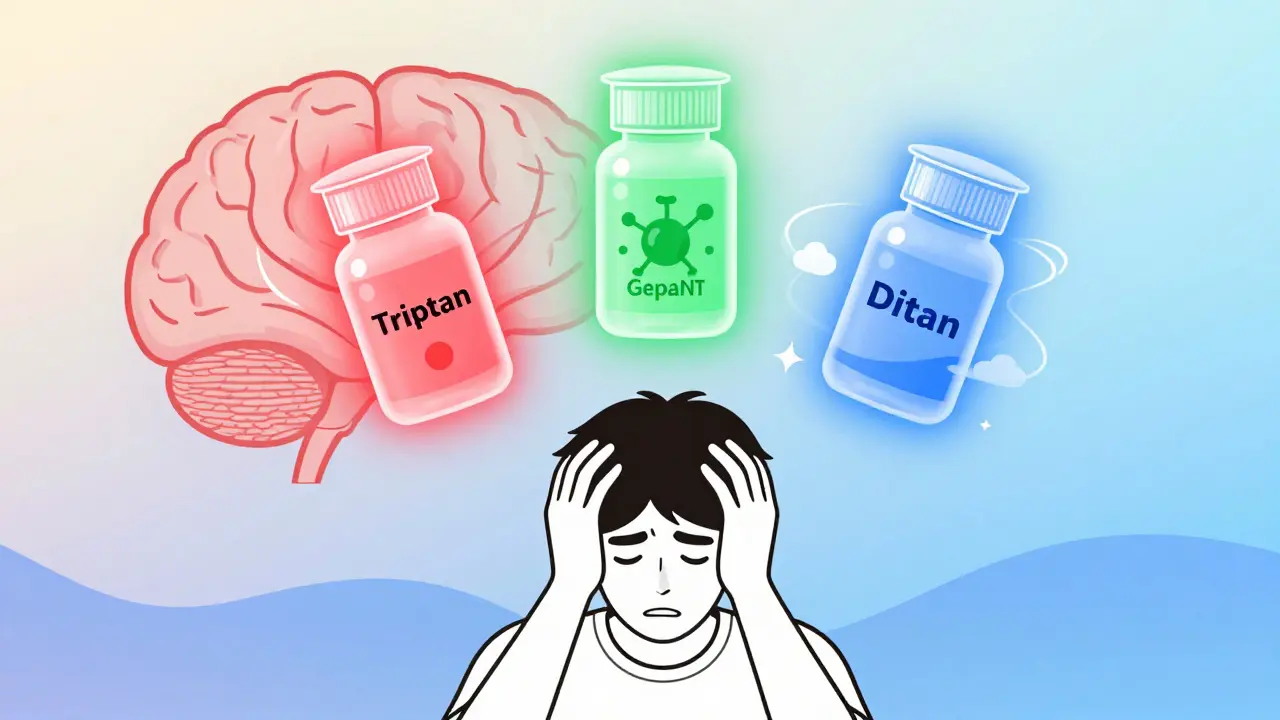
Triptans, gepants, and ditans treat migraines differently-and their safety profiles vary widely. Learn which is fastest, safest, and best for your health risks.
Generic drug markets are set to grow rapidly through 2030, driven by patent expirations, biosimilar growth, and rising demand in Asia. Learn how pricing, regulation, and manufacturing trends are reshaping global healthcare access.
Bioequivalent medications ensure generics work like brand names. Learn how the FDA tests for equal performance, why some drugs need stricter standards, and how this saves healthcare costs. Clear facts for patients and prescribers.
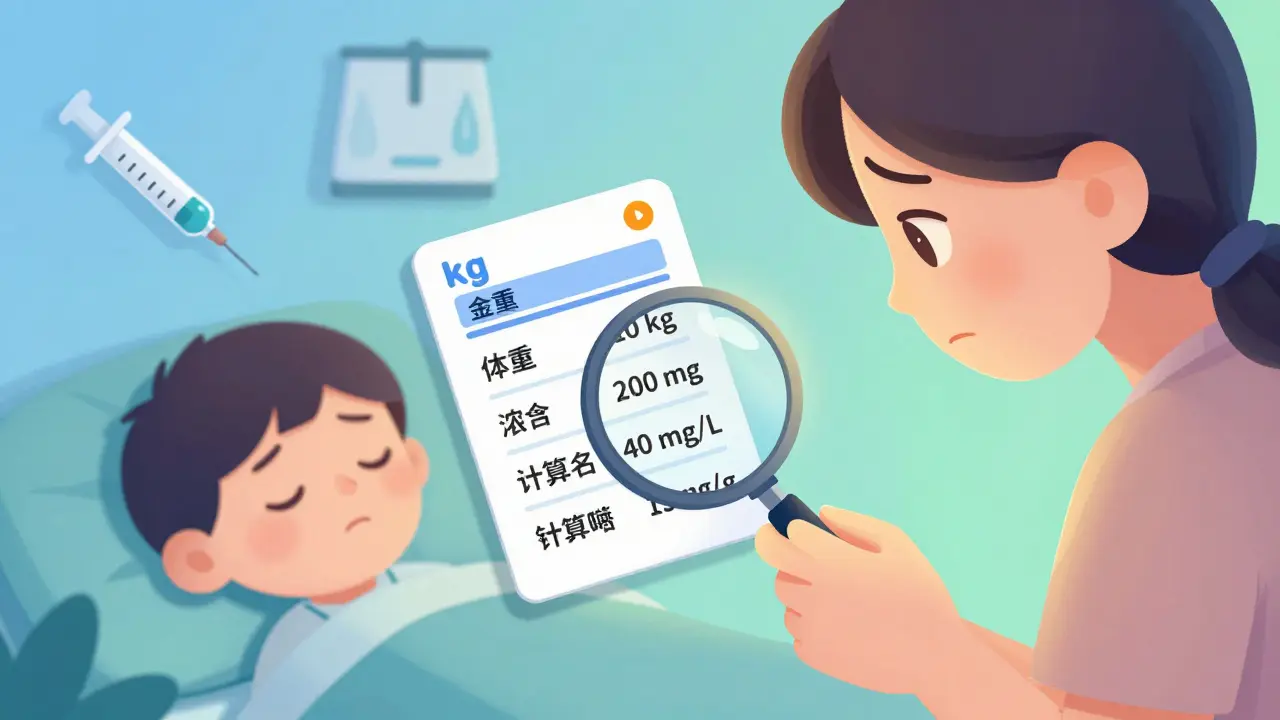
Learn how to verify pediatric medication doses using weight in kg, correct concentrations, and simple math to prevent dangerous overdoses. A must-read for every parent and caregiver.
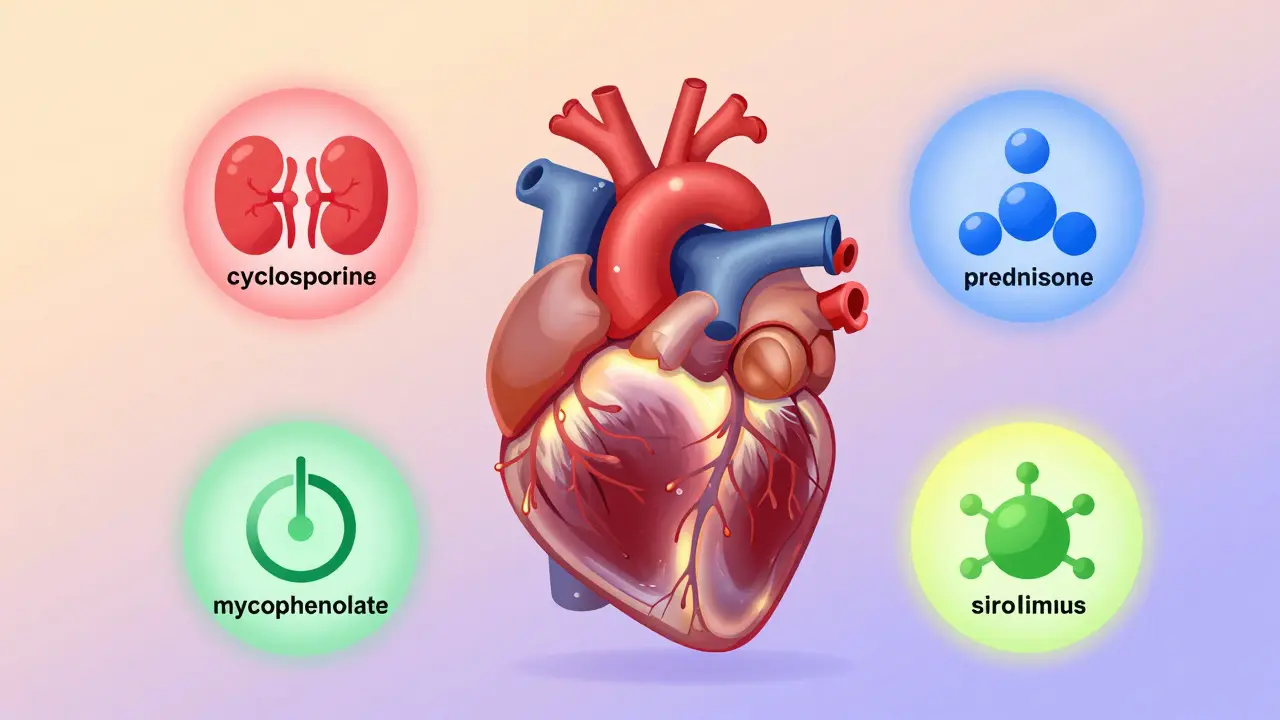
Immunosuppressants prevent organ rejection after transplant but carry serious risks like infection, cancer, and organ damage. Learn how to manage these drugs safely for long-term success.