Drug Safety: Protect Yourself from Medication Risks and Errors
When you take a pill, you trust it will help—not hurt. But drug safety, the practice of using medications in a way that minimizes harm while maximizing benefit. Also known as medication safety, it’s not just about reading the label—it’s about understanding how your body, your other drugs, and even your daily routine interact with what’s in that bottle. Every year, hundreds of thousands of people end up in the hospital because of something as simple as taking two meds with the same active ingredient. Or stopping a drug too fast. Or mixing a sleep aid with a painkiller. These aren’t rare accidents. They’re preventable mistakes.
medication errors, mistakes in prescribing, dispensing, or taking a drug. Also known as drug errors, they happen in homes, clinics, and hospitals—and most often involve older adults, kids, or people on multiple prescriptions. Think of it like this: if you’re taking blood pressure pills, a sleep aid, and an anti-inflammatory, you’re not just taking three separate drugs. You’re taking a cocktail. And that cocktail can turn dangerous if one ingredient overpowers the others. That’s why adverse drug reactions, harmful, unintended responses to a medication at normal doses. Also known as side effects, they’re not always listed on the box. Some show up as dizziness. Others as liver damage. A few, like the spike in stroke risk from antipsychotics in dementia patients, can be deadly. And then there’s the quiet killer: opioid risks, the dangers tied to long-term use of powerful painkillers like fentanyl patches. Also known as narcotic dependence, they don’t always come with a warning loud enough to hear over the pain. You might not realize you’re at risk until it’s too late.
Drug safety isn’t about fear. It’s about awareness. It’s knowing why your doctor switched your blood thinner from warfarin to dabigatran. It’s checking the active ingredients in your kid’s cold medicine so you don’t accidentally overdose on acetaminophen. It’s asking if that antihistamine you take for allergies is making you unsafe at work. It’s understanding that stopping clozapine cold turkey can be as risky as skipping insulin. And it’s realizing that even generics—cheaper, widely used, and trusted—need the same caution as brand names.
What you’ll find below isn’t a list of warnings. It’s a collection of real, practical stories from people who’ve been there: the senior whose antipsychotic nearly caused a stroke, the college student who thought Adderall was a study hack, the mom pumping breast milk while on medication and wondering if she should dump it. These aren’t hypotheticals. They’re lessons. And they’re here to help you avoid the same mistakes.
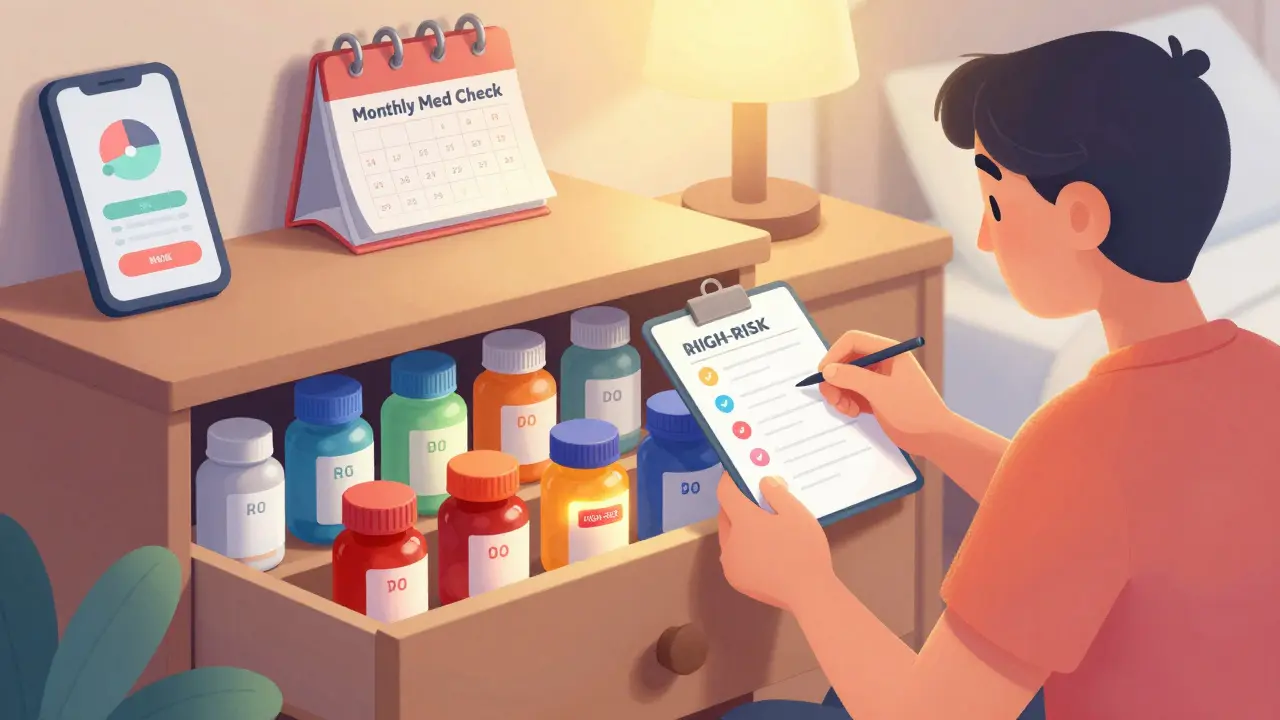
Learn how to create a simple, effective medication expiration review schedule to avoid dangerous side effects, wasted money, and ineffective treatments. Step-by-step guide for home use with practical tools and expert-backed timing.
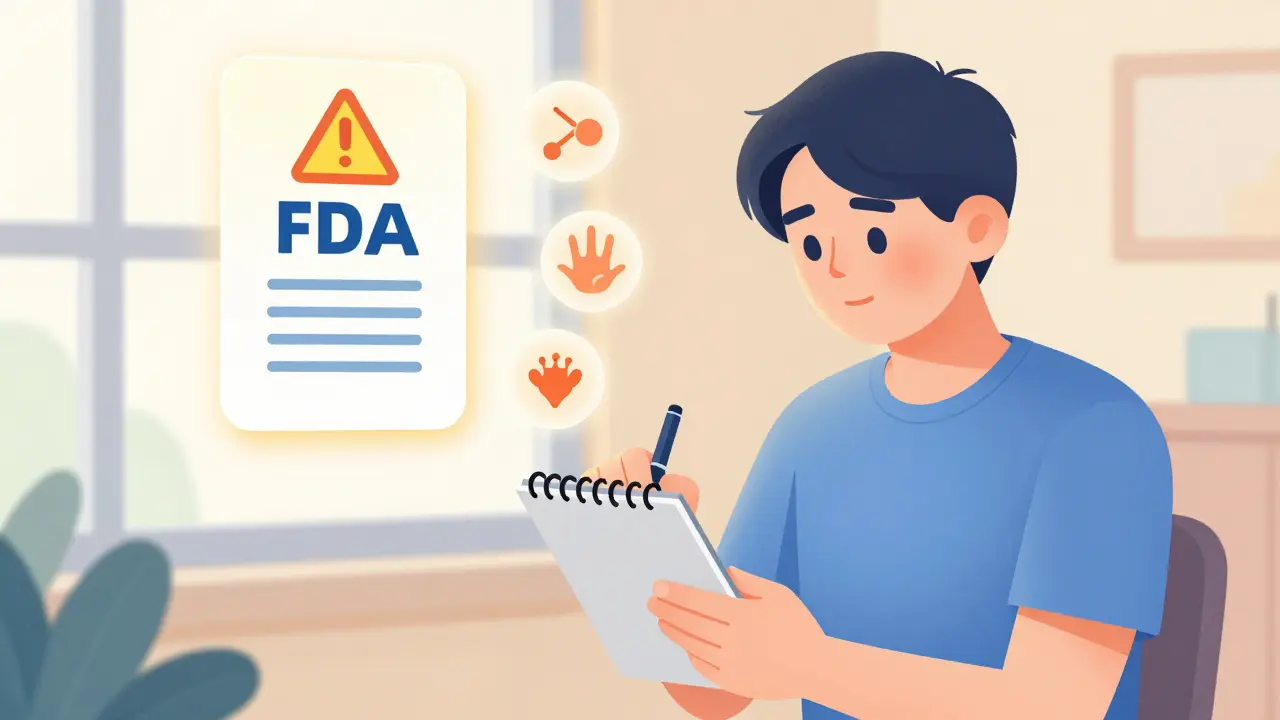
After a drug or device safety alert, knowing what symptoms to track and how to monitor them can prevent serious health risks. Learn how to log, assess, and respond to warning signs with clear, actionable steps.
Learn how to report suspected counterfeit drugs to protect yourself and others. Step-by-step guide to FDA MedWatch, international agencies, and what to do if you’ve taken a fake pill.
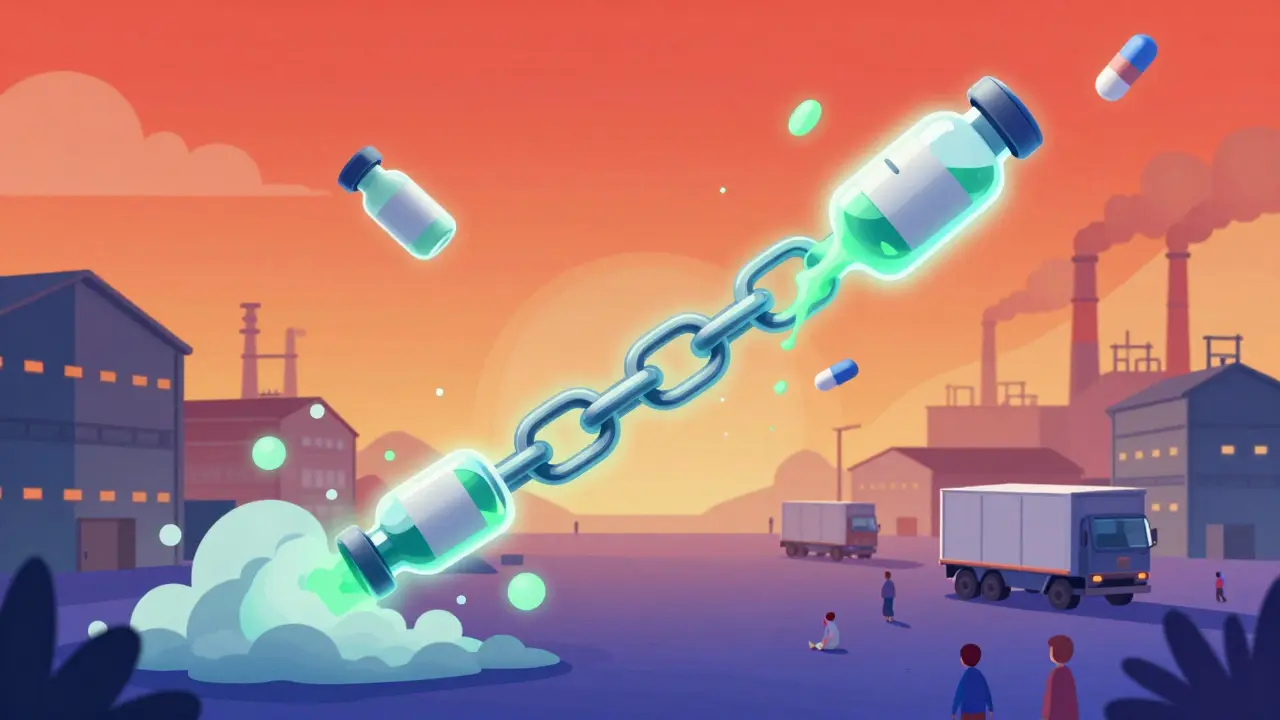
Poor pharmaceutical supply chain quality leads to dangerous drug shortages, counterfeit medicines, and treatment delays - putting millions of patients at risk. Here's how logistics failures impact safety and what must change.
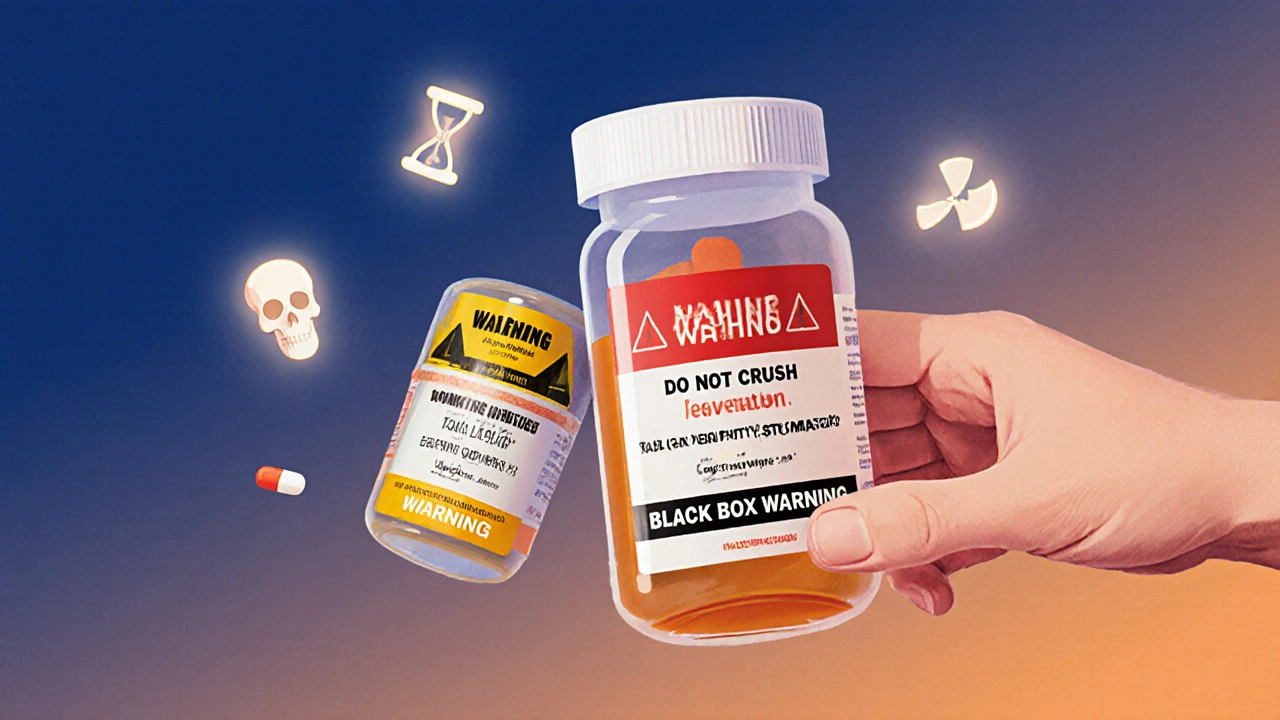
Prescription label warnings are critical safety tools that prevent deadly medication errors. Learn what red, yellow, and black box labels really mean, why ignoring "take with food" or "swallow whole" can be dangerous, and how to understand your pills correctly.