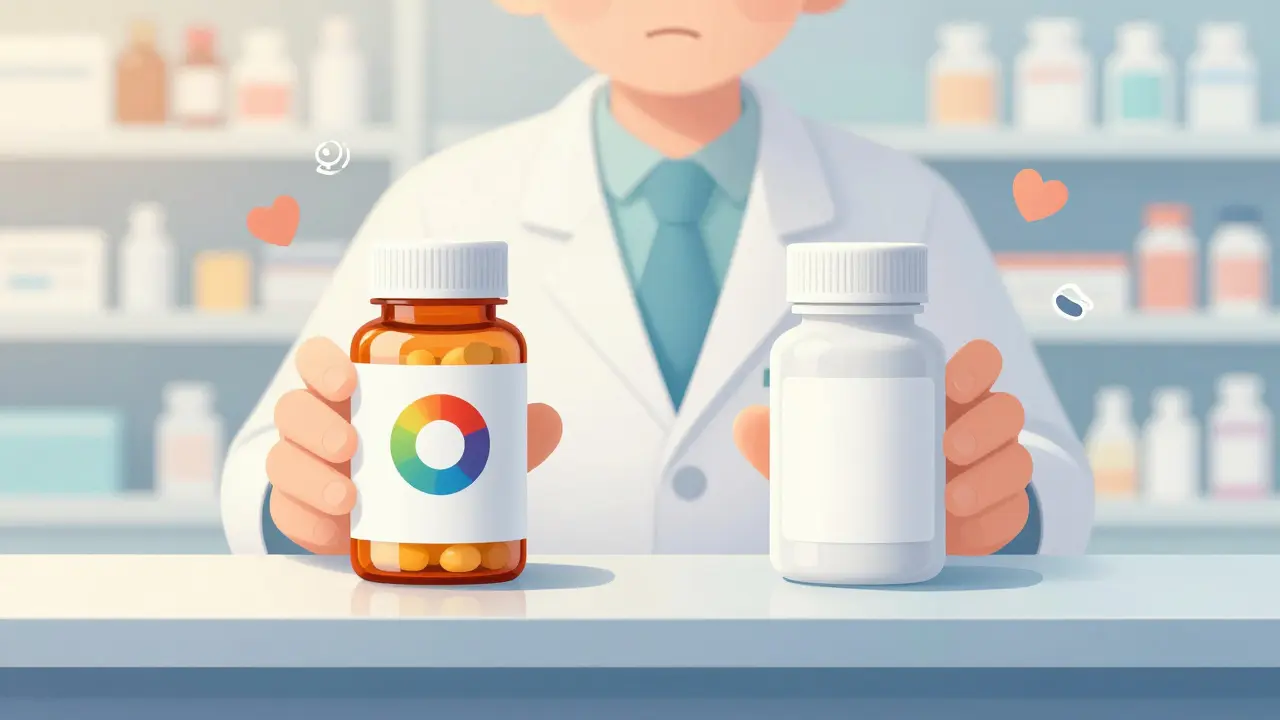
Understand why generic pills look different and how to verify their safety. Learn about bioequivalence standards, major manufacturers, and when to request a specific brand.
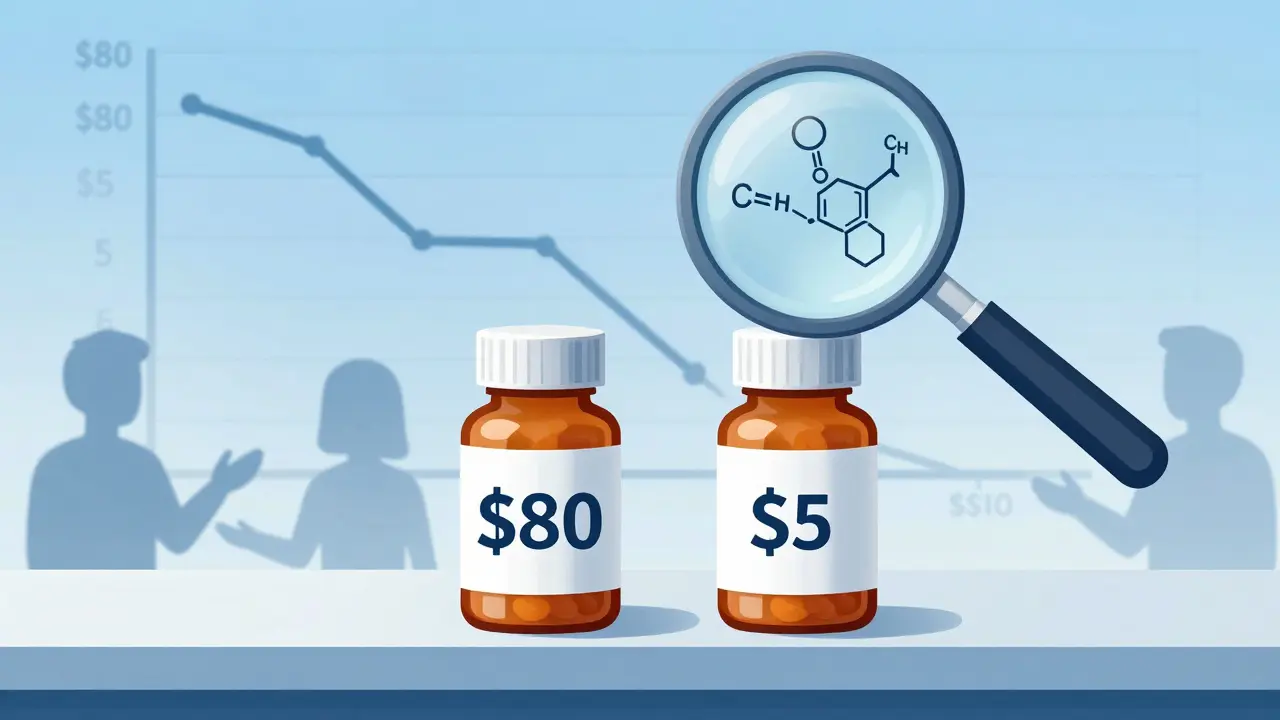
Cost-effectiveness analysis reveals how generic drugs save billions by comparing price to health outcomes. Learn why some generics cost 20x more than others-and how to spot the real savings.
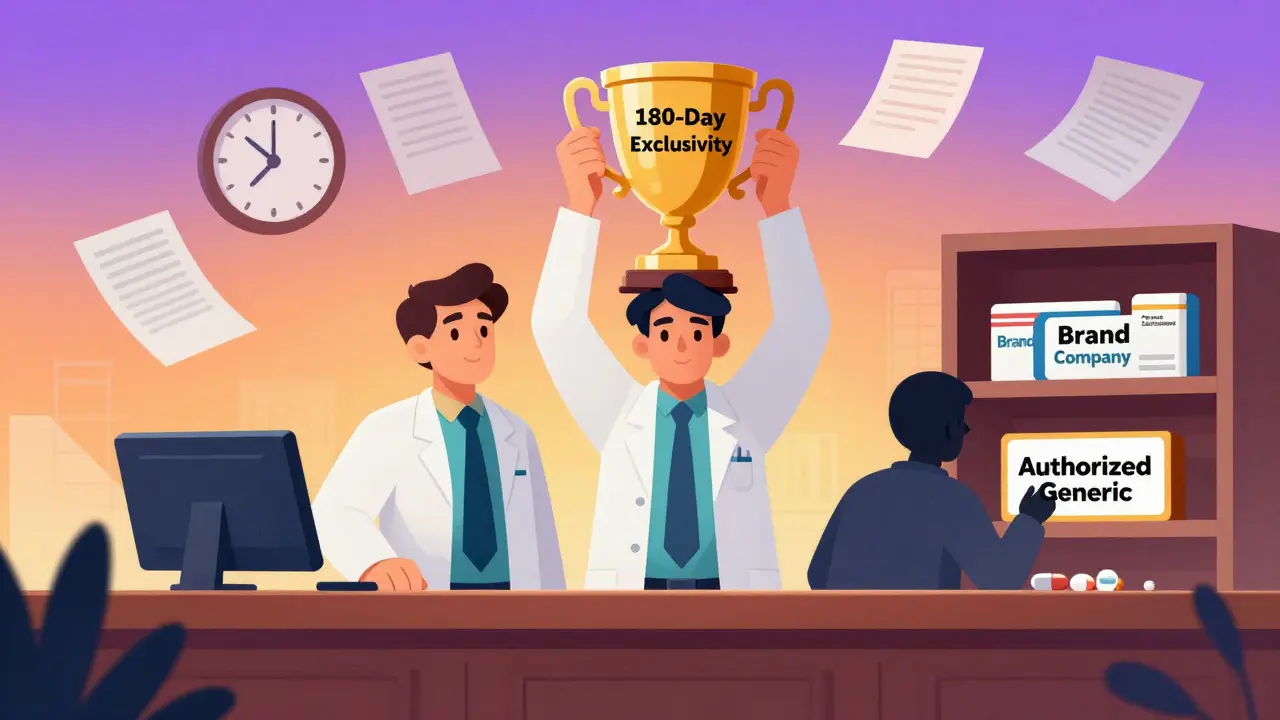
The 180-day exclusivity rule was meant to reward generic drugmakers for challenging patents-but brand-name companies can legally launch their own versions during that time, undercutting profits and weakening competition. Here's how it works, why it's controversial, and what’s being done to fix it.
Bioequivalent medications ensure generics work like brand names. Learn how the FDA tests for equal performance, why some drugs need stricter standards, and how this saves healthcare costs. Clear facts for patients and prescribers.
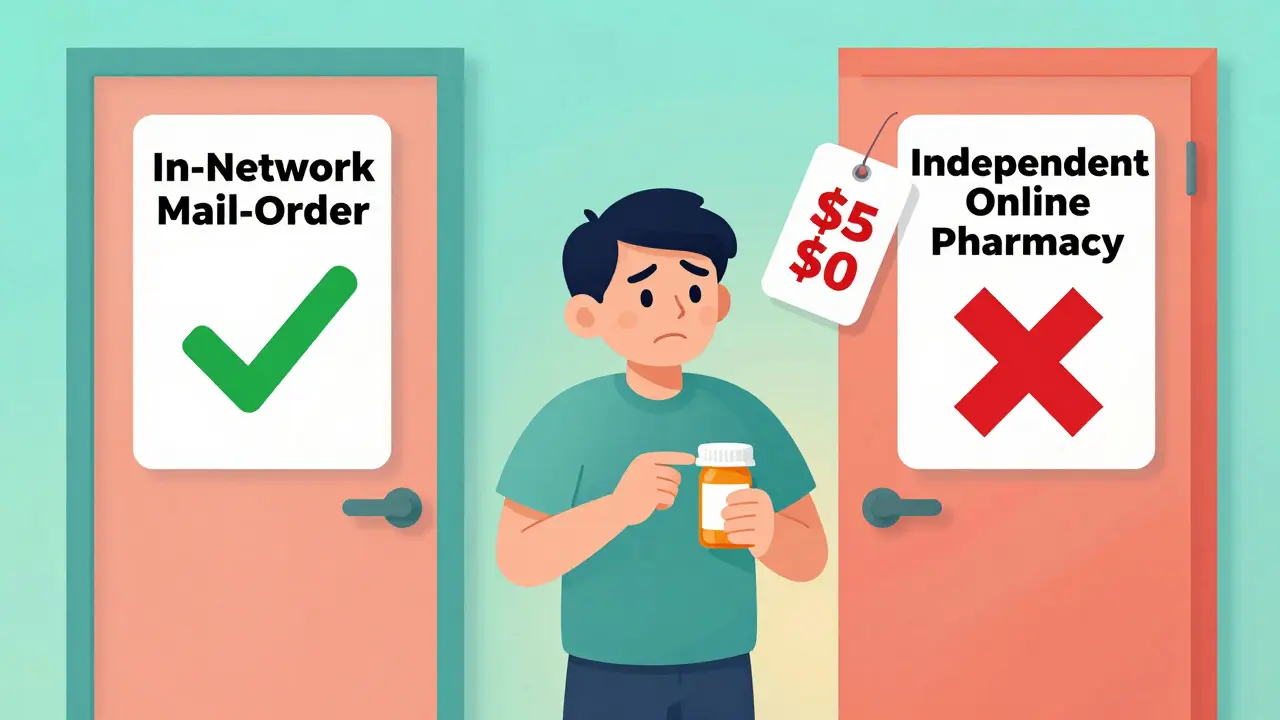
Learn how insurance coverage works for generic drugs bought online. Discover when mail-order saves money, why your insurer might switch your meds, and how to avoid paying more than you need to.
Generic drugs are cheaper and widely used, but long-term safety data shows mixed results. For most people, they're fine - but for those on narrow therapeutic index drugs, small differences can have big consequences.
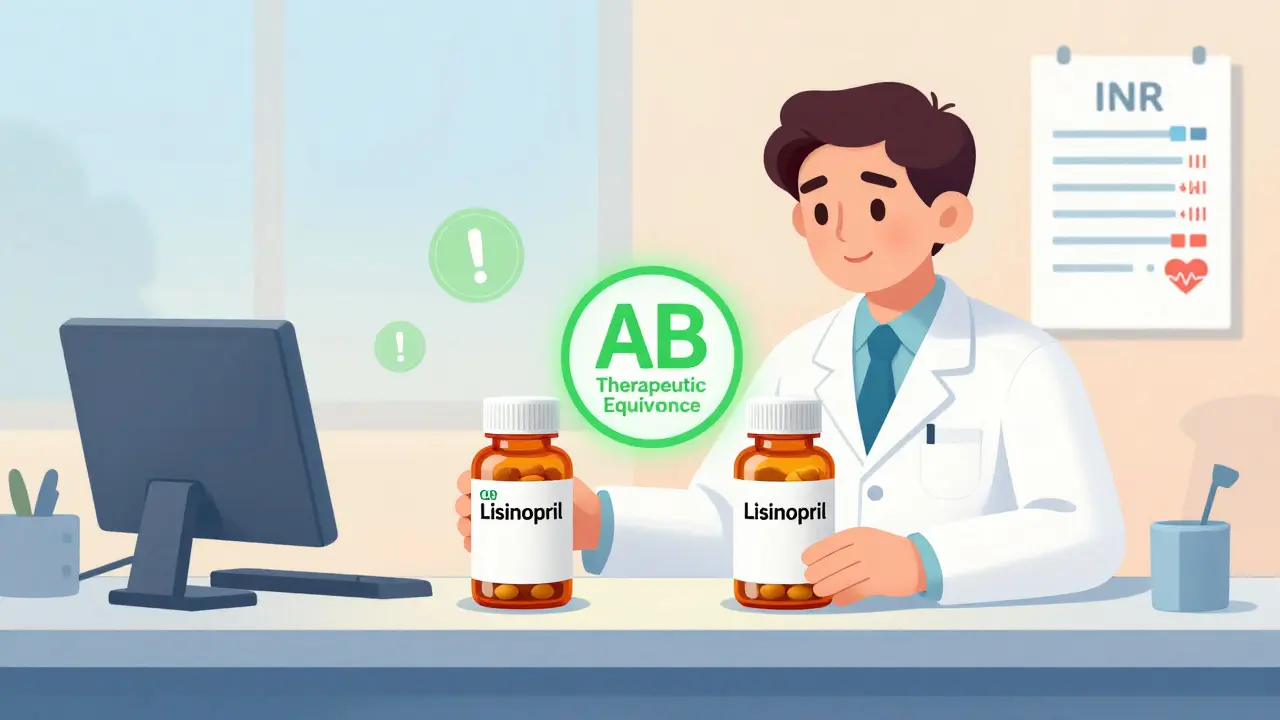
Learn how pharmacy systems correctly identify generic and brand-name drugs using NDC and TE codes, avoid dangerous substitutions, and improve patient safety with best practices from leading healthcare systems.