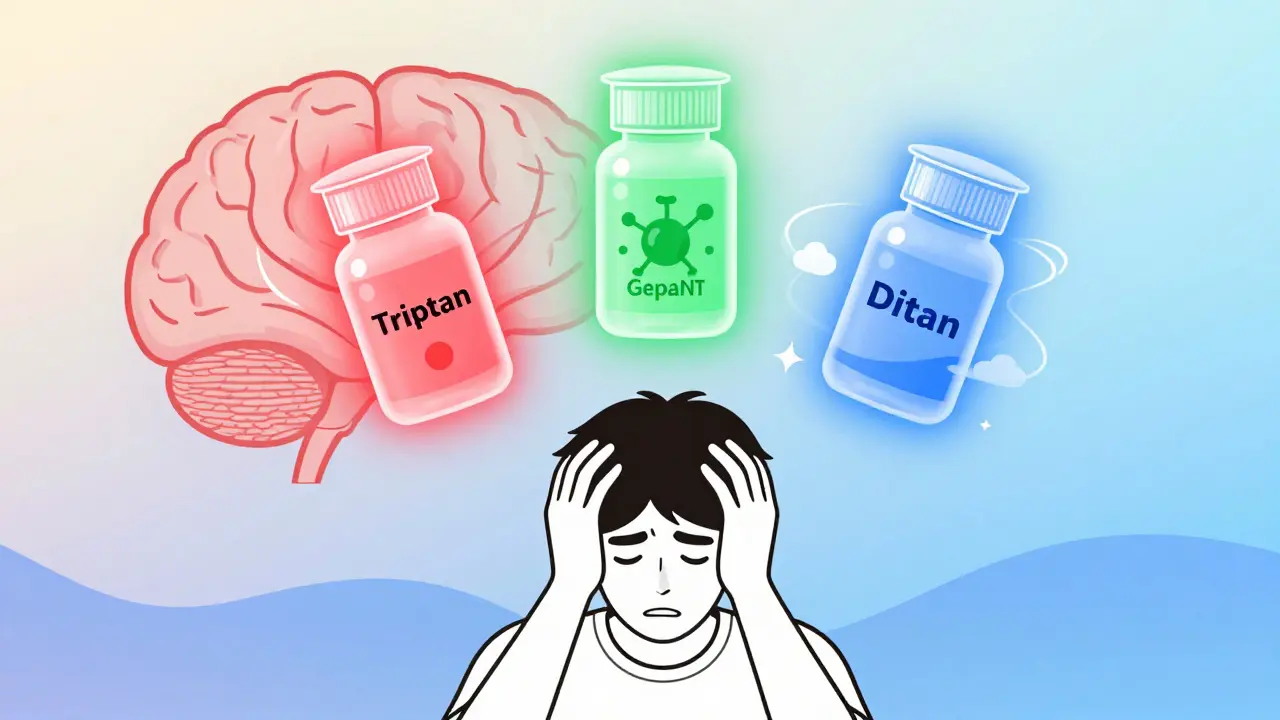
Triptans, gepants, and ditans treat migraines differently-and their safety profiles vary widely. Learn which is fastest, safest, and best for your health risks.
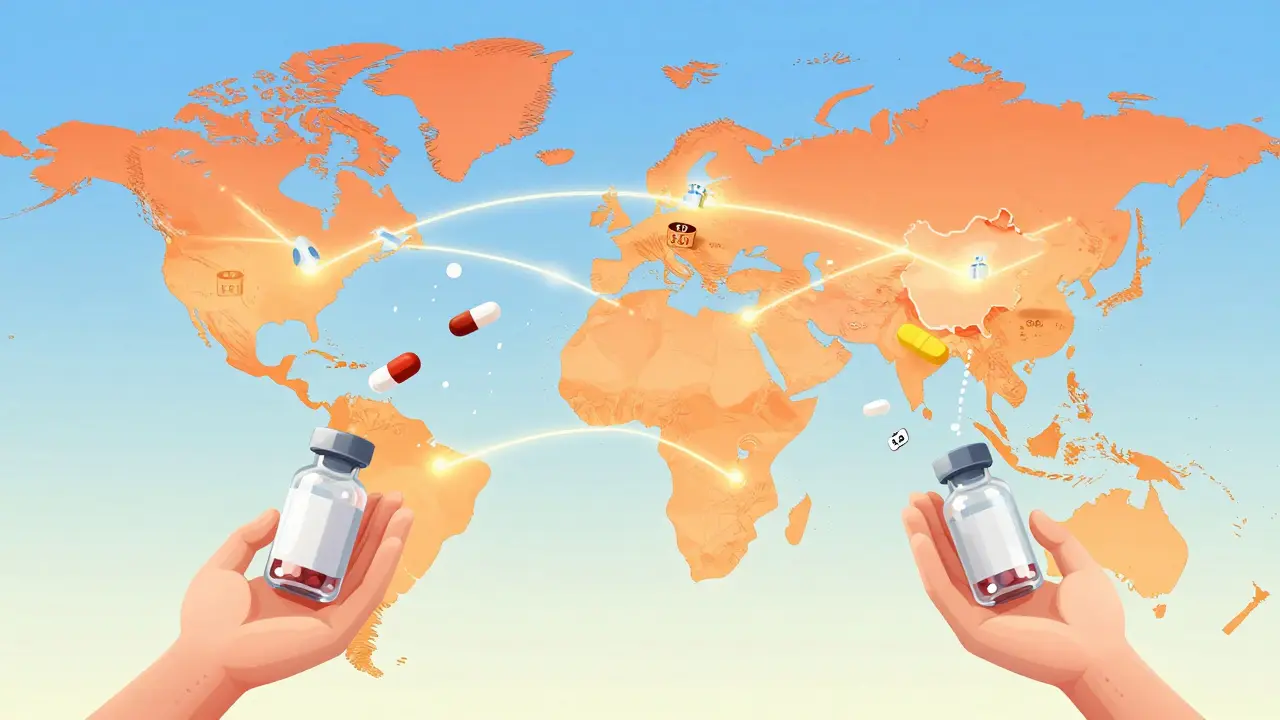
Generic drug markets are set to grow rapidly through 2030, driven by patent expirations, biosimilar growth, and rising demand in Asia. Learn how pricing, regulation, and manufacturing trends are reshaping global healthcare access.
Bioequivalent medications ensure generics work like brand names. Learn how the FDA tests for equal performance, why some drugs need stricter standards, and how this saves healthcare costs. Clear facts for patients and prescribers.
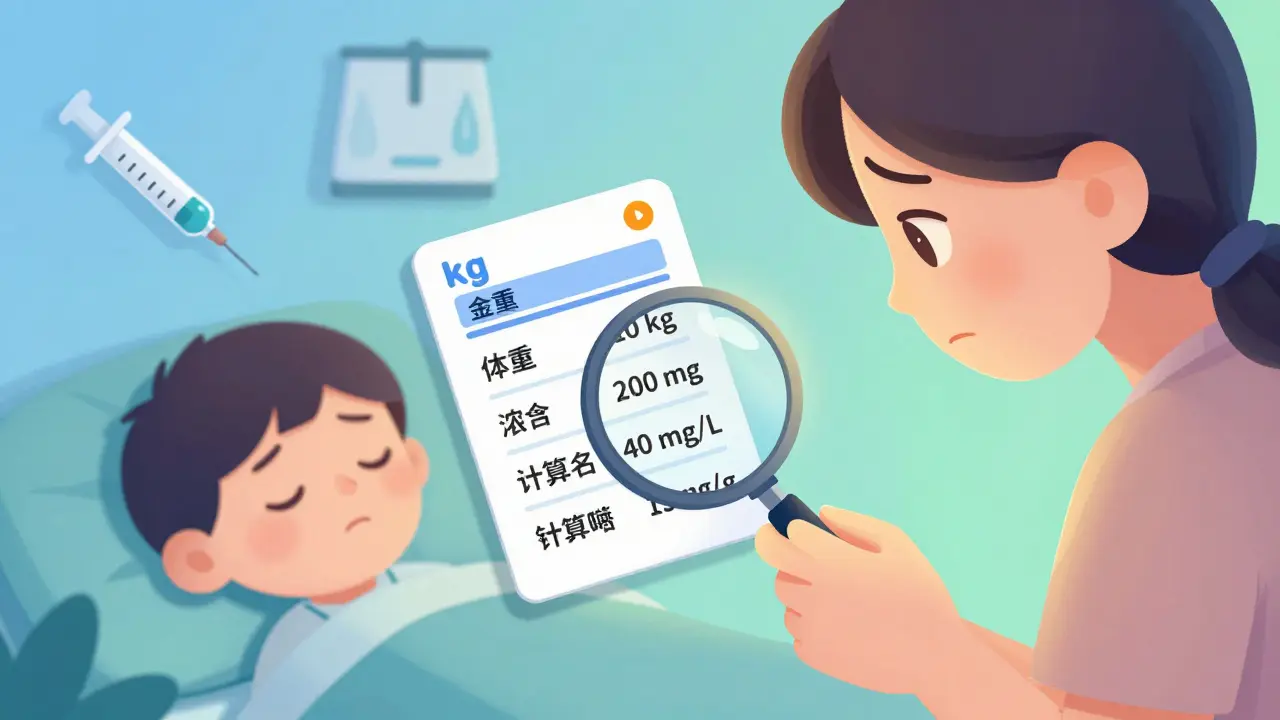
Learn how to verify pediatric medication doses using weight in kg, correct concentrations, and simple math to prevent dangerous overdoses. A must-read for every parent and caregiver.
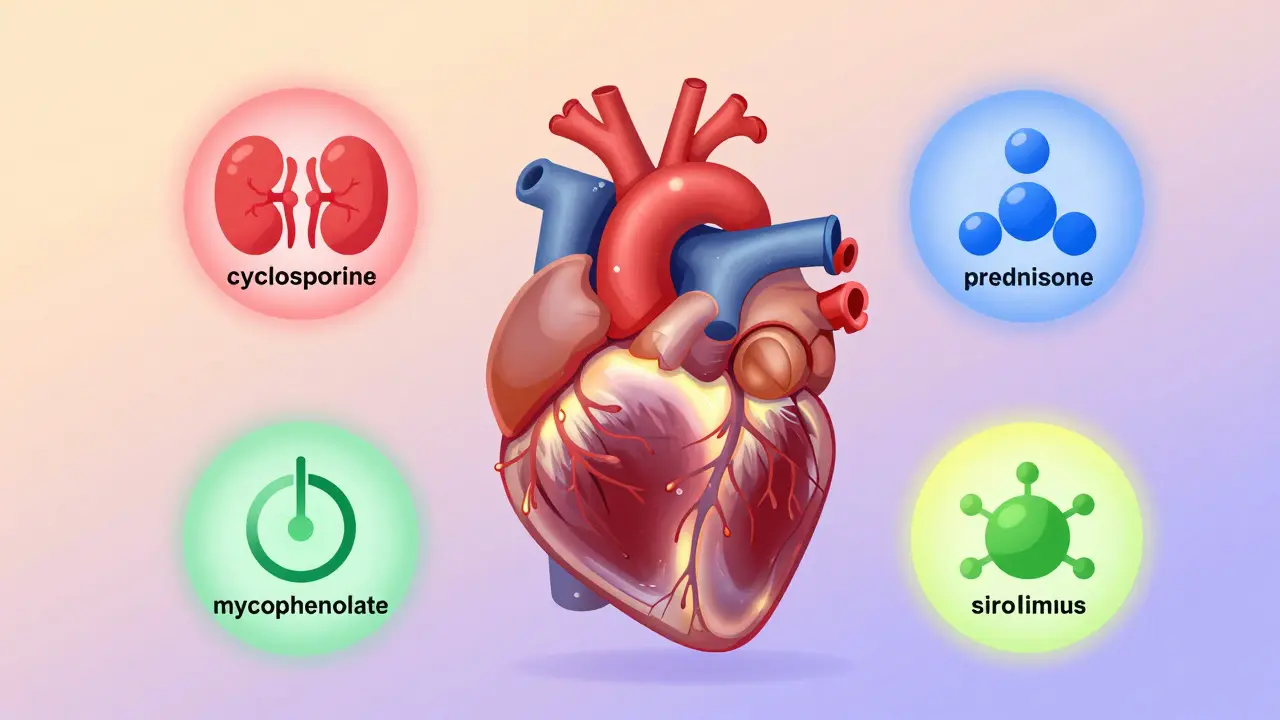
Immunosuppressants prevent organ rejection after transplant but carry serious risks like infection, cancer, and organ damage. Learn how to manage these drugs safely for long-term success.
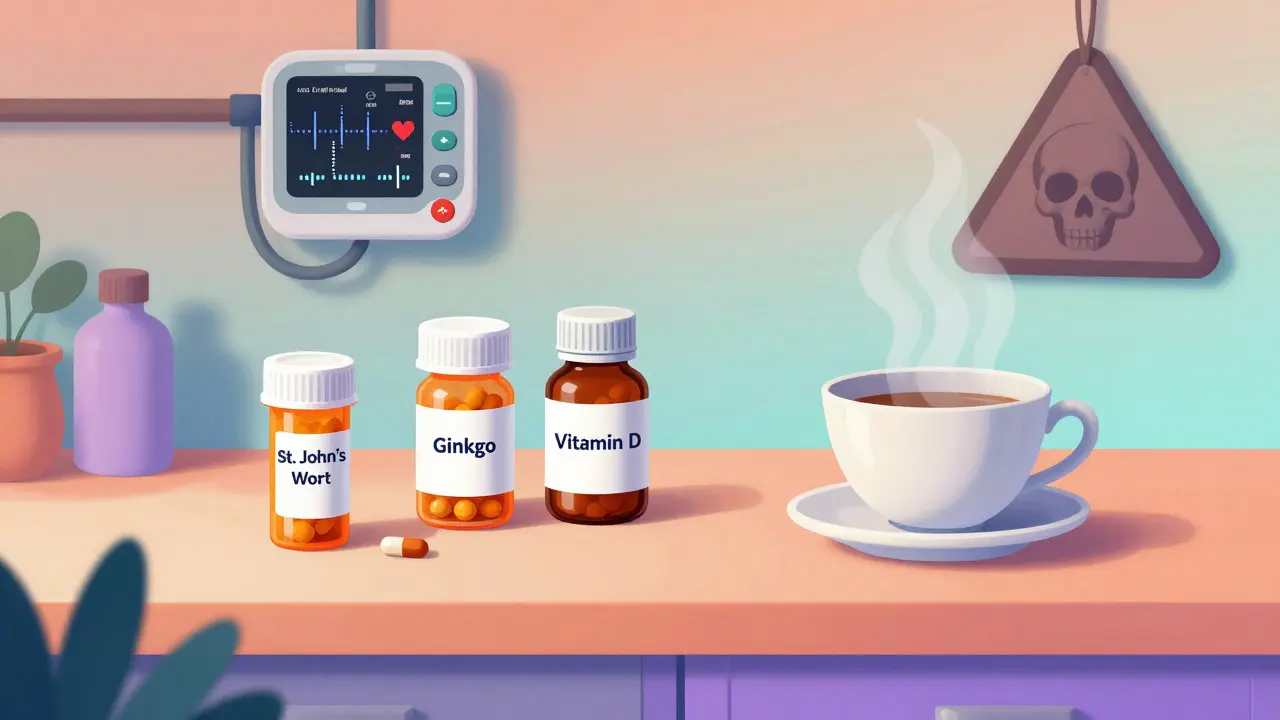
Many people assume supplements are safe because they're natural, but they can cause serious harm-especially when mixed with medications. Learn the real risks, dangerous interactions, and how to protect yourself.
Learn why expired inhalers, eye drops, and topical medications can be dangerous-and how to safely dispose of them. Get expert-backed tips to avoid health risks and environmental harm.
Nasal steroid sprays are the most effective treatment for allergic rhinitis, reducing inflammation to relieve congestion, sneezing, and runny nose. Learn how they work, how to use them correctly, and why they outperform antihistamines and decongestants.
Botox for migraine is a proven preventive treatment for chronic migraine sufferers who haven't responded to oral medications. It works by blocking pain signals, not just relaxing muscles. Learn who benefits, how it works, and what to expect.
Biosimilars are highly similar versions of complex biologic drugs, approved by the FDA as safe and effective. They're not generics, but offer the same results at a lower cost-helping patients access treatments for arthritis, cancer, diabetes, and more.