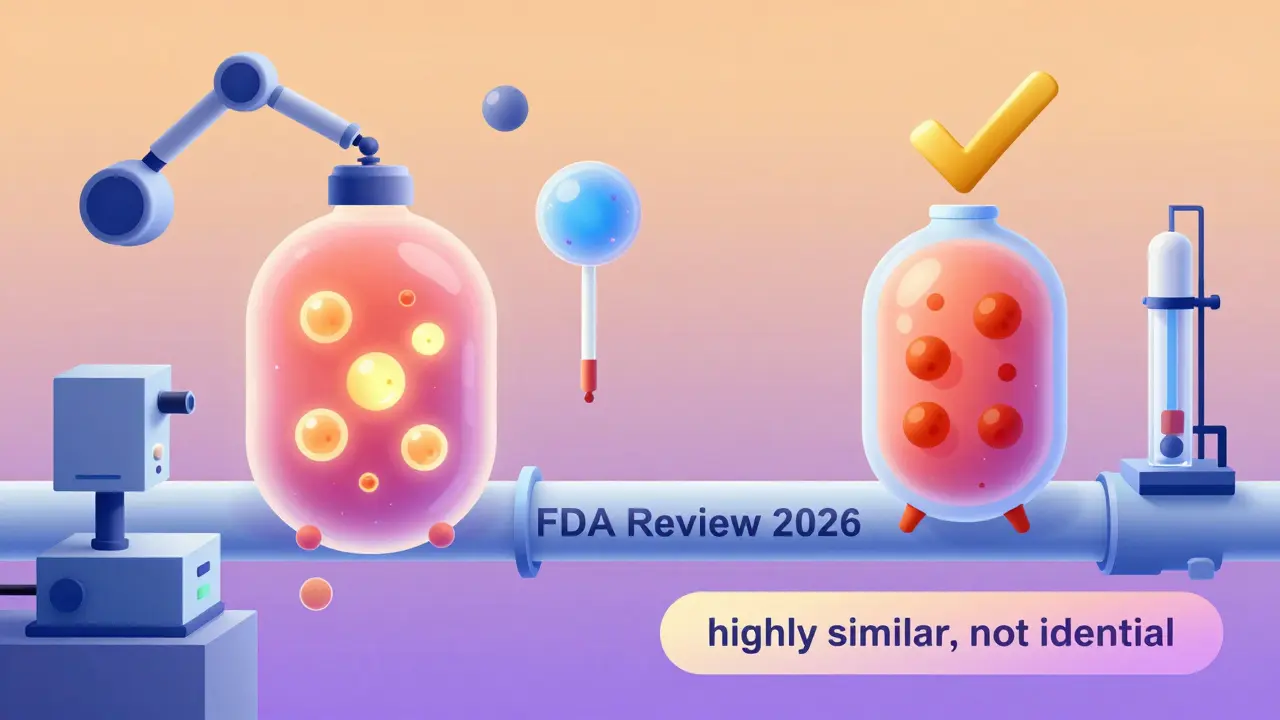
The FDA's 2025 guidance streamlines biosimilar approval by reducing clinical trial requirements, making lower-cost biologic alternatives faster and cheaper to bring to market-potentially saving billions annually.
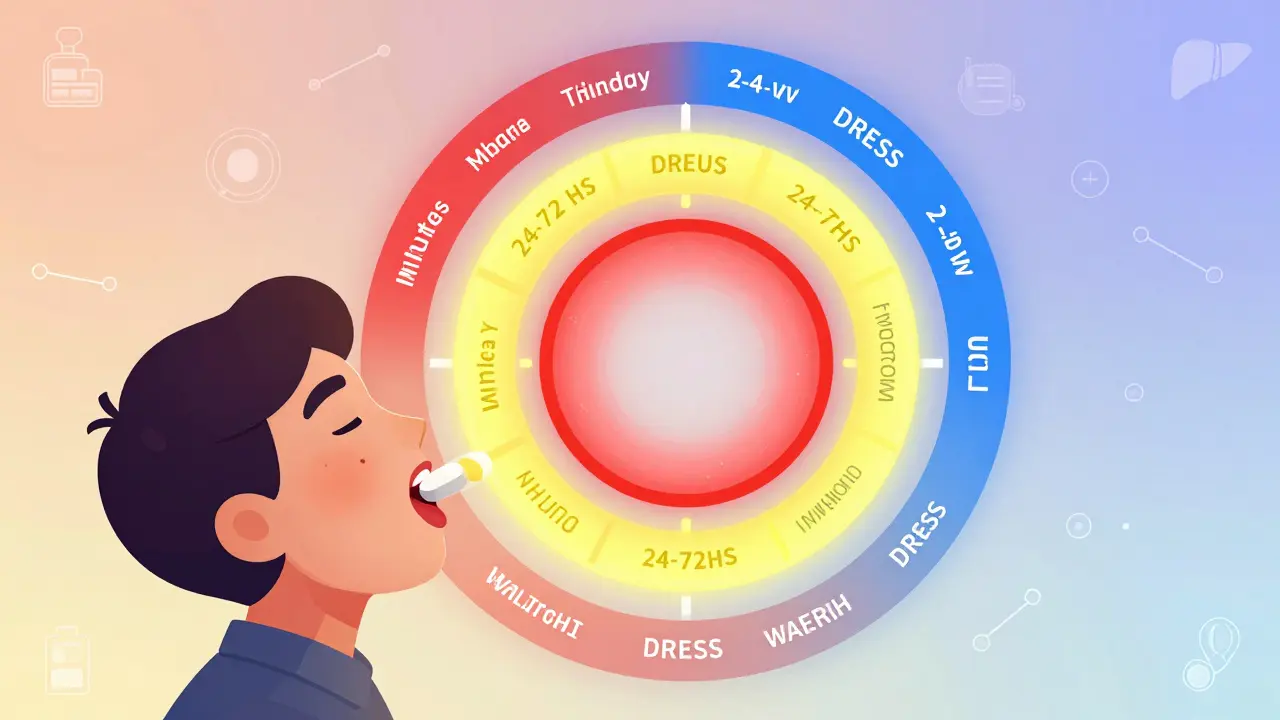
Learn when medication side effects typically appear-from minutes to months after taking a drug. Understand the timelines for allergic reactions, delayed rashes, and chronic issues so you can act fast and stay safe.
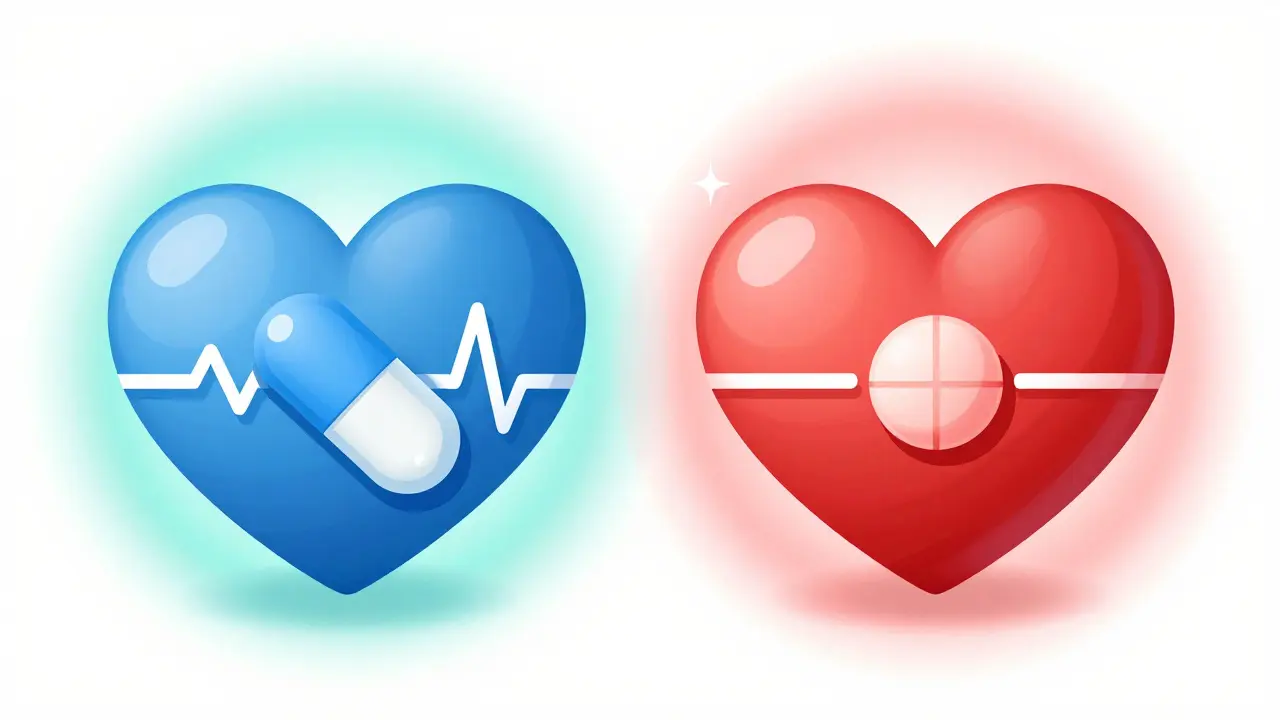
Beta-blockers and calcium channel blockers can be safely combined for some patients with high blood pressure or angina-but only if you avoid dangerous pairings like verapamil with beta-blockers. Know the risks, know the drugs, and always check your heart rhythm first.
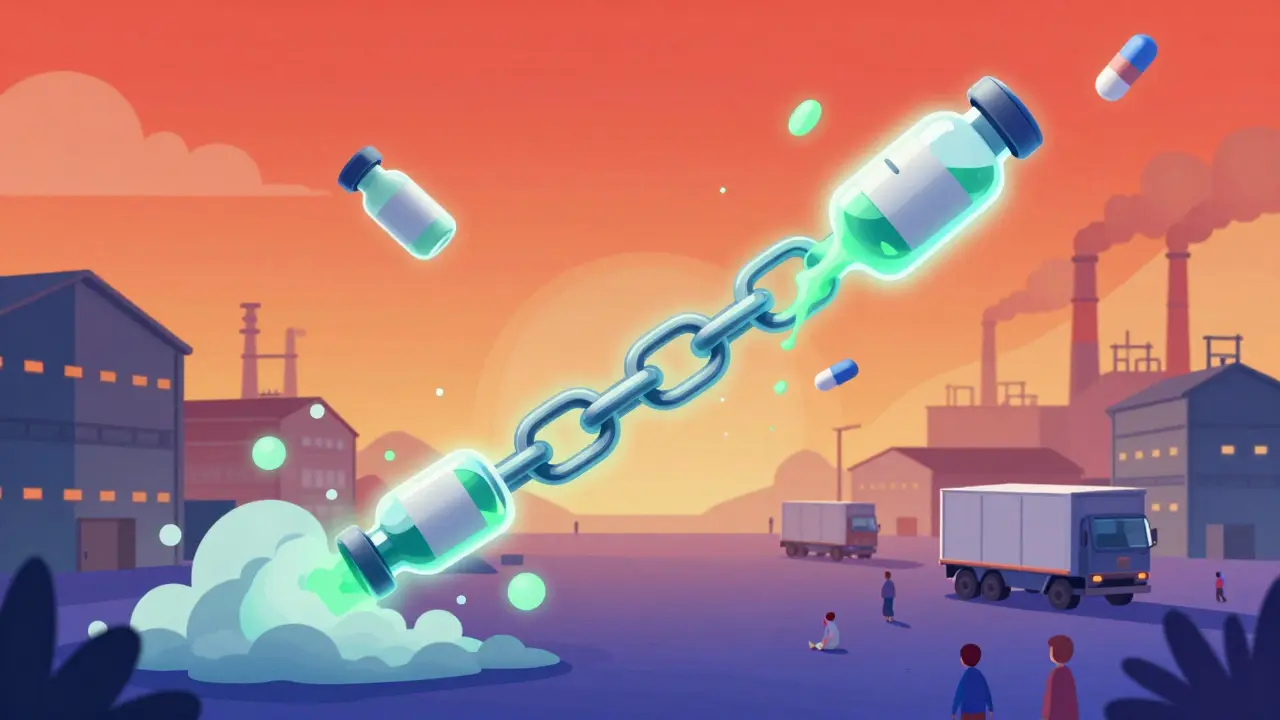
Poor pharmaceutical supply chain quality leads to dangerous drug shortages, counterfeit medicines, and treatment delays - putting millions of patients at risk. Here's how logistics failures impact safety and what must change.
Generic drugs are cheaper and widely used, but long-term safety data shows mixed results. For most people, they're fine - but for those on narrow therapeutic index drugs, small differences can have big consequences.
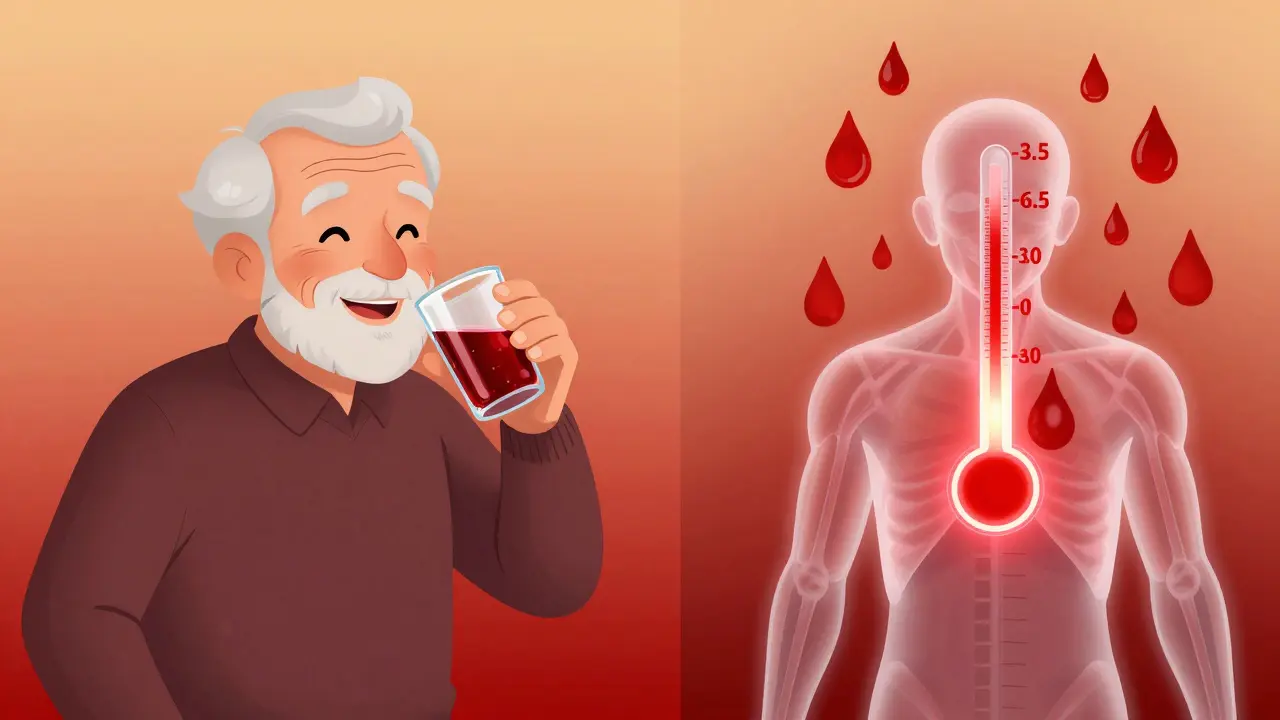
Cranberry products can dangerously increase INR levels in people taking warfarin, raising the risk of serious bleeding. Learn why even small amounts pose a threat, what health agencies recommend, and safer alternatives for UTI prevention.
Bioequivalence studies must now account for age and sex differences to ensure generic drugs work safely for everyone. Learn what the FDA, EMA, and other regulators require today.
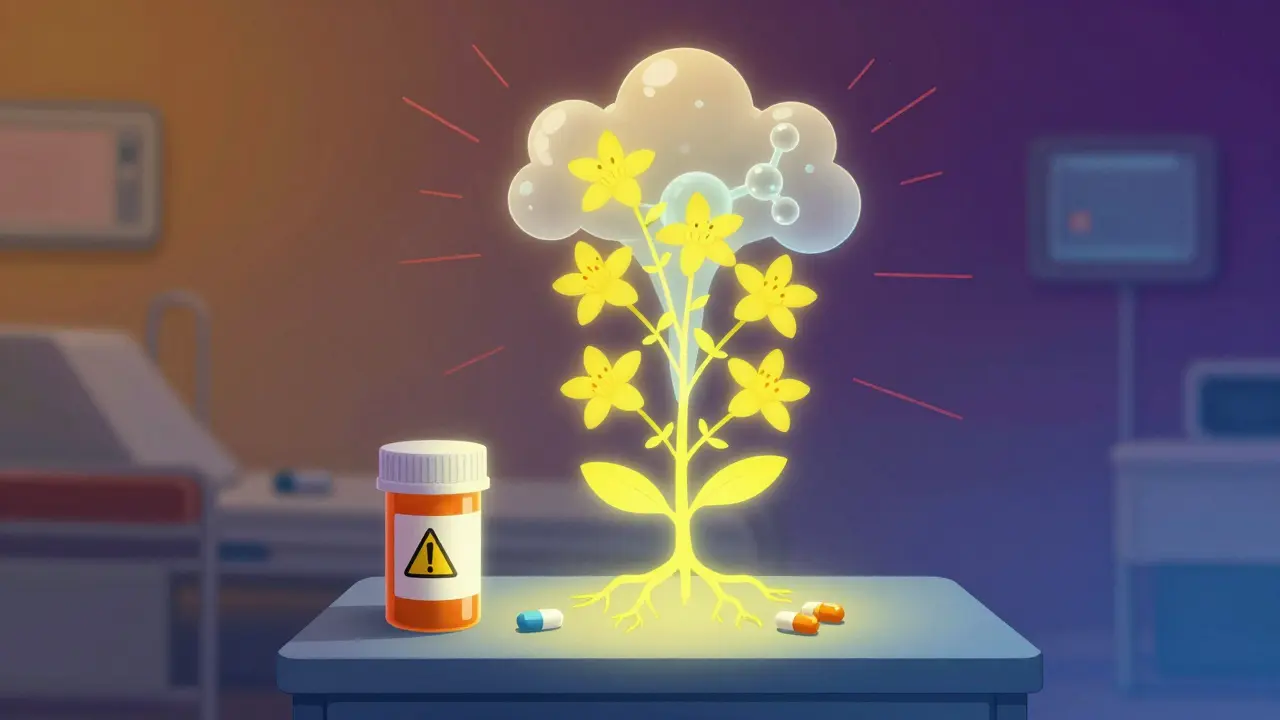
Combining St. John’s Wort with SSRIs can cause serotonin syndrome-a life-threatening condition. Learn why this herbal supplement is far more dangerous than it seems and what to do instead.
Learn how to track symptoms accurately when suspecting a drug reaction. A structured symptom diary helps doctors identify side effects faster, avoid misdiagnosis, and adjust treatments safely with real-time data.
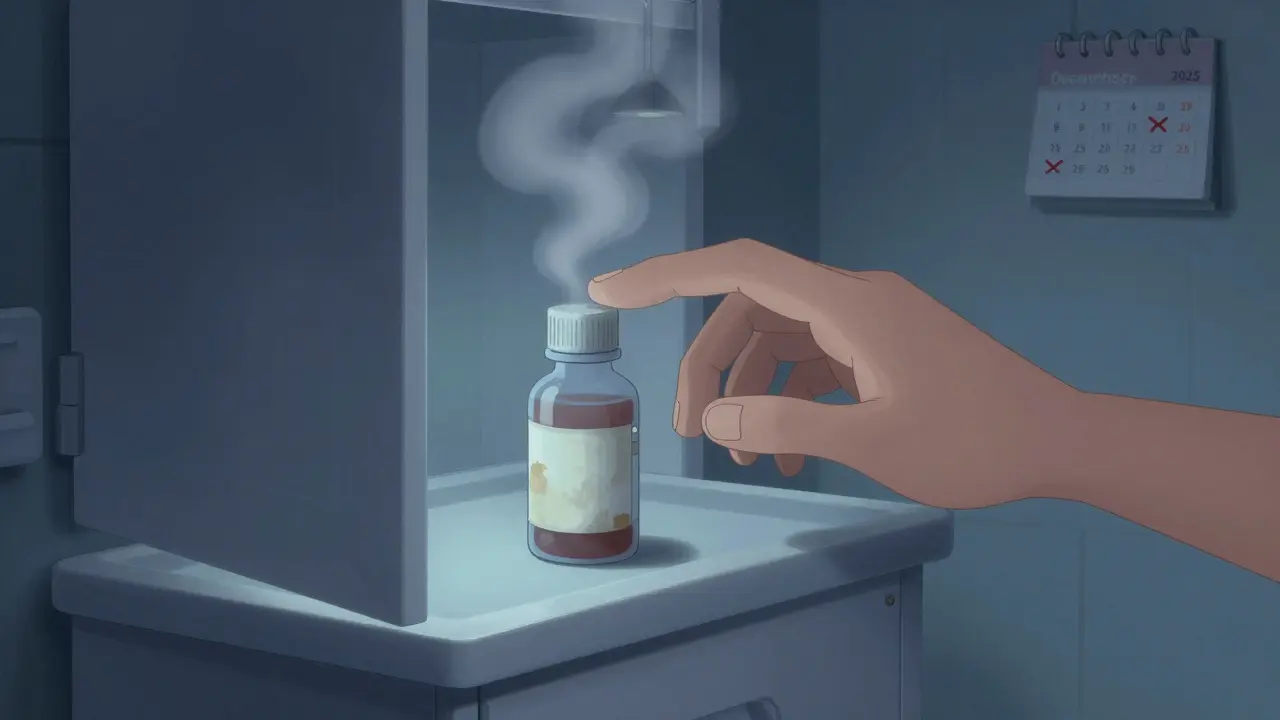
Learn how to safely assess the risk of using expired medications when no alternatives are available. Understand which drugs are dangerous past expiration, how storage affects potency, and when it’s okay-or not-to use them in an emergency.